
Creating a balanced home environment is essential for fostering a sense of well-being, productivity, and peace. The home should be a sanctuary—a place where you can retreat from the chaos of the outside world and recharge your mental and emotional batteries. Achieving this balance requires a thoughtful approach to how you design, organize, and maintain your space. In this article, we will explore practical strategies to create a harmonious home environment that reflects your values and nurtures your well-being.
Understanding the Elements of Balance
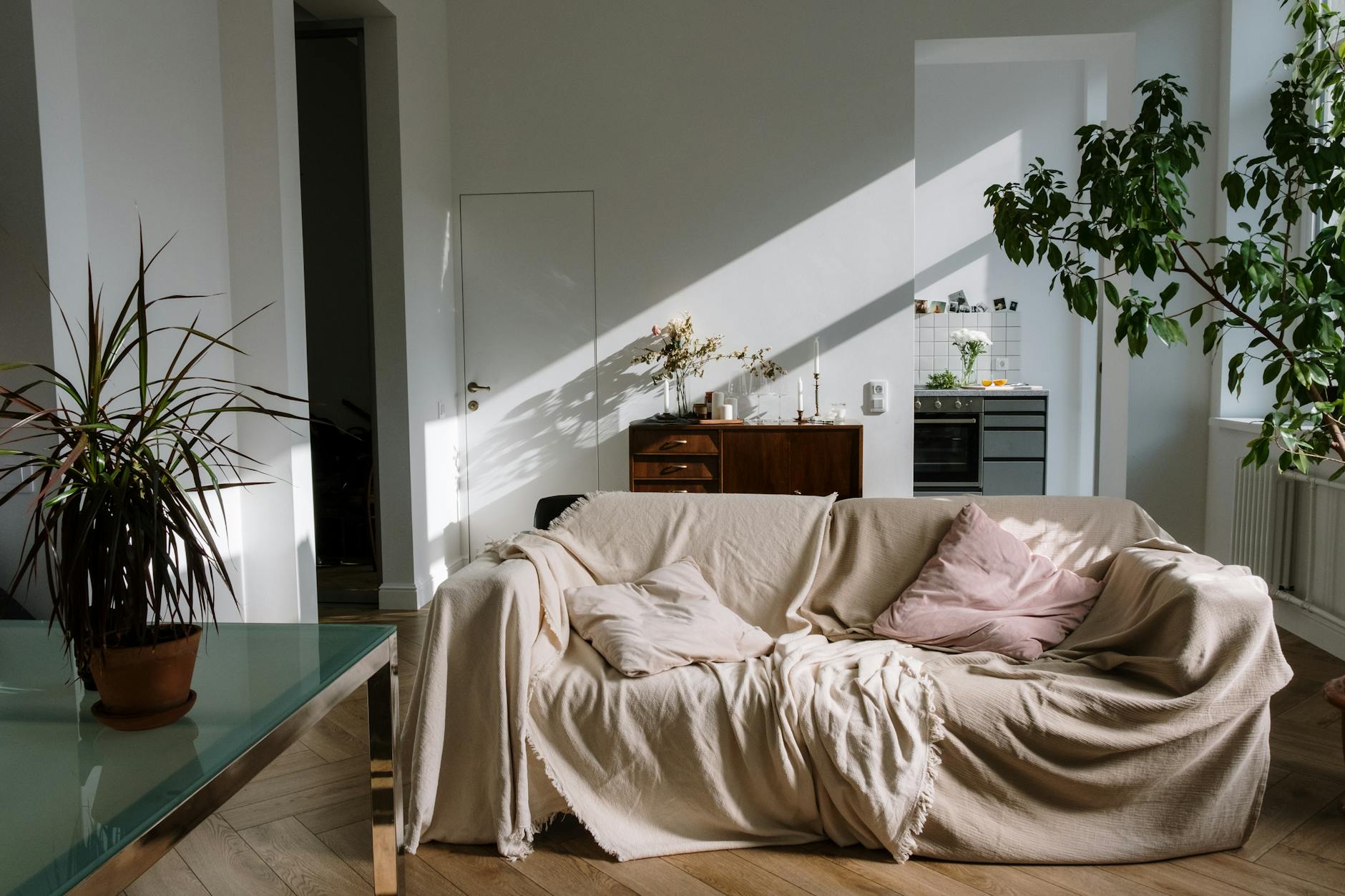
Balance in a home environment involves a harmonious interplay of several elements: space, light, color, and organization. Each of these factors contributes to the overall atmosphere of your home. Space refers to the physical layout and arrangement of furniture and decor; light involves natural and artificial sources; color impacts mood and energy levels; and organization affects how you interact with your surroundings. To create a balanced environment, it is crucial to understand how each of these elements influences your daily life and overall well-being.
Start by assessing your current space. Walk through your home and evaluate how it makes you feel. Are there areas that feel cramped or cluttered? Does a particular room lack natural light? Identifying these aspects will help you pinpoint areas in need of change. For instance, consider the flow of your living space. Is there a natural path for movement, or do pieces of furniture block your way? Creating open pathways encourages a sense of freedom and flow, enhancing your home’s overall balance.
Implementing Natural Light and Color
Natural light has a profound impact on our mood and productivity levels. Homes that are well-lit with natural sunlight tend to feel more inviting and energetic. To maximize natural light, you might consider adjusting window treatments or using mirrors to reflect light throughout your space. Keeping windows clean and unobstructed can also make a significant difference. In areas that lack natural light, such as basements or interior rooms, consider using daylight bulbs or warm LED lights to simulate a brighter environment.
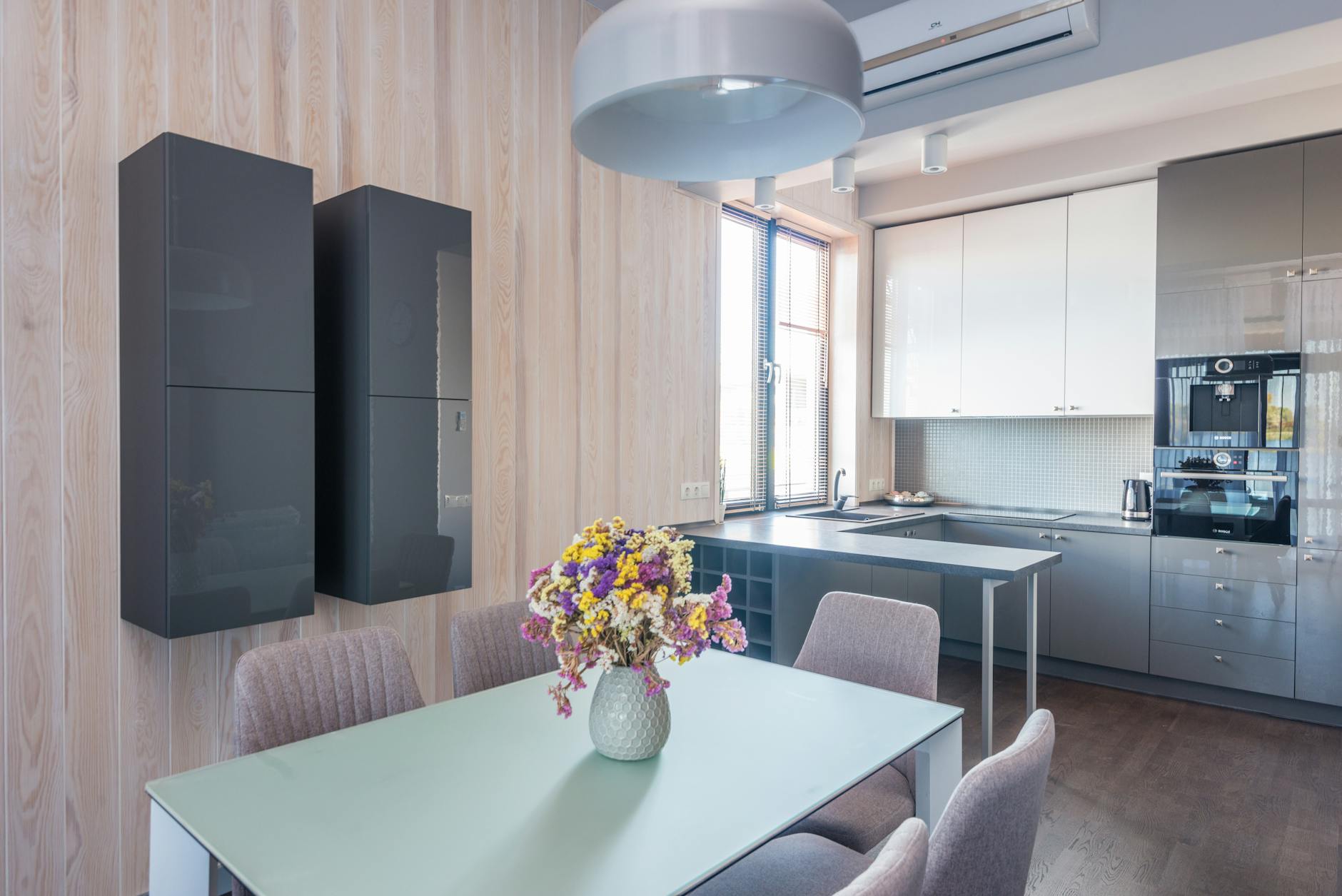
Color is another vital component of creating a balanced home. Different colors evoke different emotions and energies. For instance, blues and greens are often associated with calmness and tranquility, while yellows and oranges can create a more energetic vibe. Choosing a color palette that aligns with the mood you want to cultivate in each room can significantly enhance your home environment. Consider painting walls in softer hues for bedrooms and more vibrant tones in communal spaces like the living room or kitchen to stimulate social interaction.
The Importance of Organization and Clutter Management
Clutter can quickly turn a serene home environment into a source of stress and anxiety. Studies have shown that disorganized spaces can hinder our ability to focus and be productive. To combat clutter, implement a simple organizational system. This could involve decluttering regularly—whether it’s a seasonal clean-up or a monthly review of what you genuinely need. A good rule of thumb to follow is the “one in, one out” policy: for every new item you bring into your home, consider removing an old one.
Storage solutions also play a significant role in maintaining an organized home. Invest in multifunctional furniture, such as ottomans with storage compartments or coffee tables with drawers. You can also use decorative baskets and trays to hold smaller items, keeping surfaces clear and tidy. Organizing your space not only enhances its aesthetic appeal but also allows you to find items more easily, reducing frustration in your daily routine.
Integrating Nature Into Your Home
Biophilic design—an approach that seeks to connect individuals with nature—has become increasingly popular in creating balanced home environments. Incorporating natural elements can improve health and well-being by reducing stress and boosting mood. One simple way to achieve this is by adding indoor plants. Houseplants not only purify the air but can also enhance your home’s aesthetic. Consider starting with low-maintenance varieties like snake plants or pothos if you’re new to indoor gardening.
Add natural materials to your home décor, such as wooden furniture, stone accents, or textiles made from natural fibers like cotton and linen. These elements create a warm and inviting atmosphere. Additionally, consider using nature-inspired artwork or photography to bring the beauty of the outdoors inside. This connection to nature can enhance feelings of calm and relaxation, contributing to a balanced environment.
Personalizing Your Space
While universal principles guide the creation of a balanced home, personal touches matter significantly. Your home should reflect your personality, interests, and memories. Incorporate items that resonate with you, such as family photos, travel souvenirs, or artwork that inspires you. These elements add character to your space and create an emotional connection that can enhance your comfort and contentment.
Additionally, consider how each space in your home can serve distinct functions that align with your lifestyle. If you work from home, create a dedicated workspace that is separate from leisure areas to establish boundaries. If you have hobbies, allocate a space for them where you can immerse yourself without distractions. By designing your environment according to your personal needs and preferences, you can cultivate a sanctuary that fosters relaxation, creativity, and productivity.
Creating a balanced home environment is a continual process that involves mindful adjustments and conscious choices. By assessing the elements of your space, increasing natural light and color, organizing clutter, integrating nature, and infusing your personality into your home, you can transform your living space into a sanctuary that supports your well-being. Embrace this journey and enjoy the ongoing process of creating a home that reflects your ideal balance.