
In a world that often feels chaotic and overwhelming, your home should provide a sense of peace and tranquility. Creating a sanctuary at home involves more than just aesthetics; it requires a mindful approach to how you live in and interact with your space. This article will explore practical ways to transform your residence into a calming haven, focusing on elements such as decor, organization, sensory experiences, and personal touches.
Embrace Natural Elements
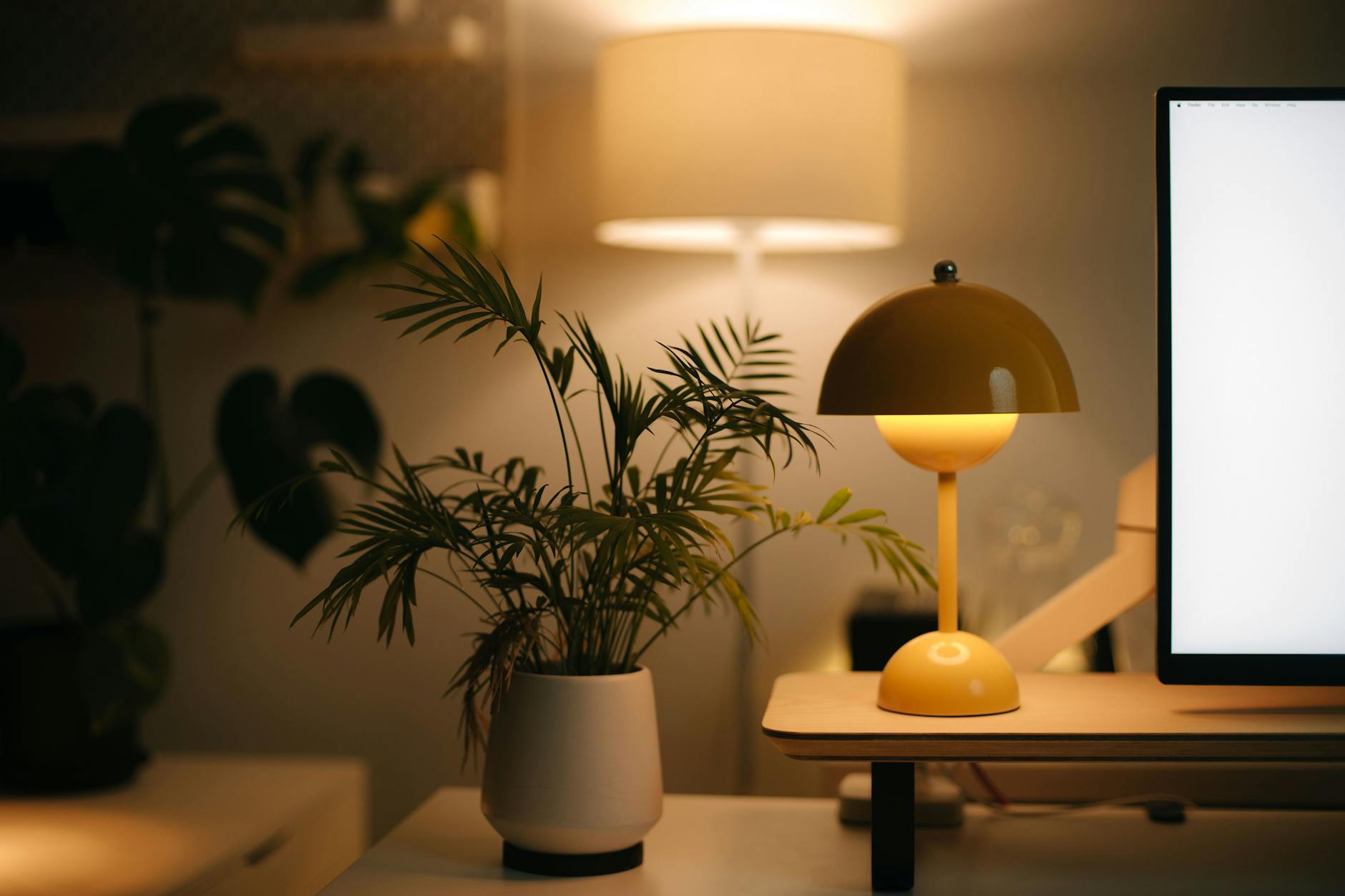
One of the simplest and most effective ways to create a sanctuary at home is by incorporating natural elements into your decor. Houseplants not only purify the air but also bring a sense of life and tranquility into your space. Research suggests that having greenery around can reduce stress and improve mood. Consider adding low-maintenance plants like snake plants or pothos if you’re new to indoor gardening.
Furthermore, the use of natural materials in your furnishings can enhance the calming effect your home has. Opt for wooden furniture, stone accents, and organic fabrics such as cotton or linen. These materials not only look beautiful but also create a tactile experience that connects you to the earth. Try to minimize plastic items in favor of sustainable materials; the difference in atmosphere can be substantial.
Create a Calm Color Palette
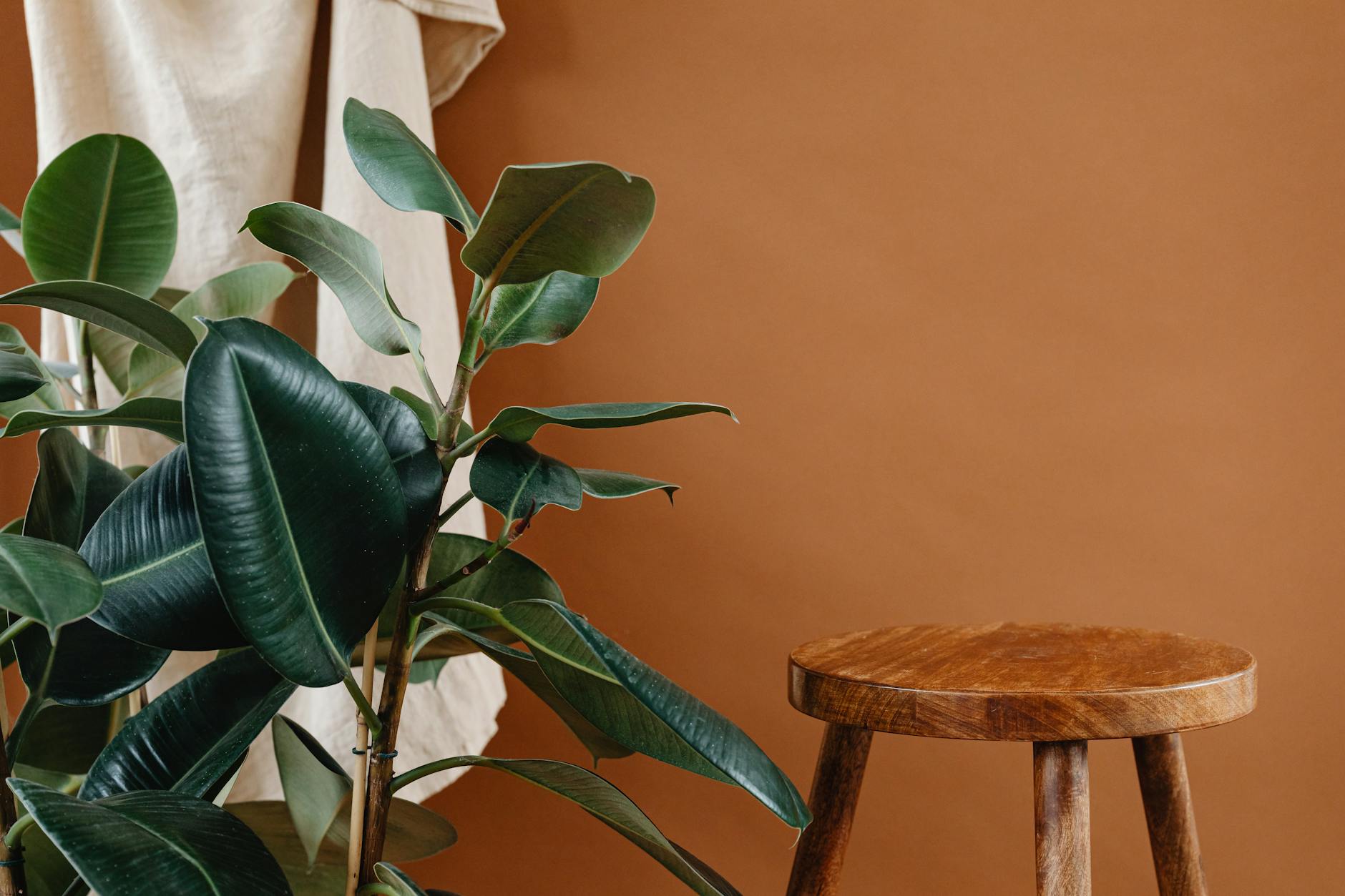
The colors you choose for your home can significantly affect your mood and mental well-being. While bold colors can energize a space, softer, neutral tones tend to promote calmness and serenity. Think pastel shades, muted earth tones, and soft whites. These hues can serve as the foundation for your interiors, providing a soothing backdrop for other design elements.
To incorporate color while keeping with the tranquil theme, consider using accent walls or accessories. A soft blue or green can evoke the calming presence of nature, while yellows and beiges can create warmth without overwhelming the senses. Remember, the goal is to create an environment that feels like a retreat from the outside world, so select colors that resonate with you personally.
Prioritize Organization and Clarity
An organized space can foster a sense of mental clarity. Clutter can be a significant source of stress, so dedicating time to declutter and organize your home is essential. Begin with one room at a time and evaluate items based on their usefulness and sentimental value. The famous Marie Kondo method encourages you to ask if an item “sparks joy”—if it doesn’t, it may be time to let it go.
Invest in quality storage solutions that fit your aesthetic while keeping your belongings neatly tucked away. Floating shelves can display your favorite books or decorative items without taking up floor space, while baskets can provide attractive storage for miscellaneous items. By creating functional, organized spaces, you can enhance your home’s tranquility and make your sanctuary feel more inviting.
Incorporate Sensory Experiences
Your senses play a critical role in how you perceive your environment. To make your home feel like a sanctuary, consider how you can appeal to each of your senses. Start with scent—aromatherapy can significantly enhance mood and relaxation. Invest in essential oils or scented candles with calming aromas like lavender or chamomile, which are known for their soothing properties.
Sound is another important sensory element. Create a peaceful atmosphere by incorporating gentle background music or natural sounds, like a water fountain or soft chimes. You can also consider soundproofing areas of your home to minimize disruptive noises from outside. Incorporating soft textiles, such as rugs and curtains, can also help absorb sound and create a more peaceful environment.
Lastly, don’t forget about touch. Textures matter—choose cushions, throws, and bedding that invite you to snuggle in and feel cozy. Aim for a mix of textures in your space to enhance the tactile experience, while still maintaining a cohesive look. Each time you walk into your sanctuary, you should feel embraced by a warm and inviting environment.
Make It Personal
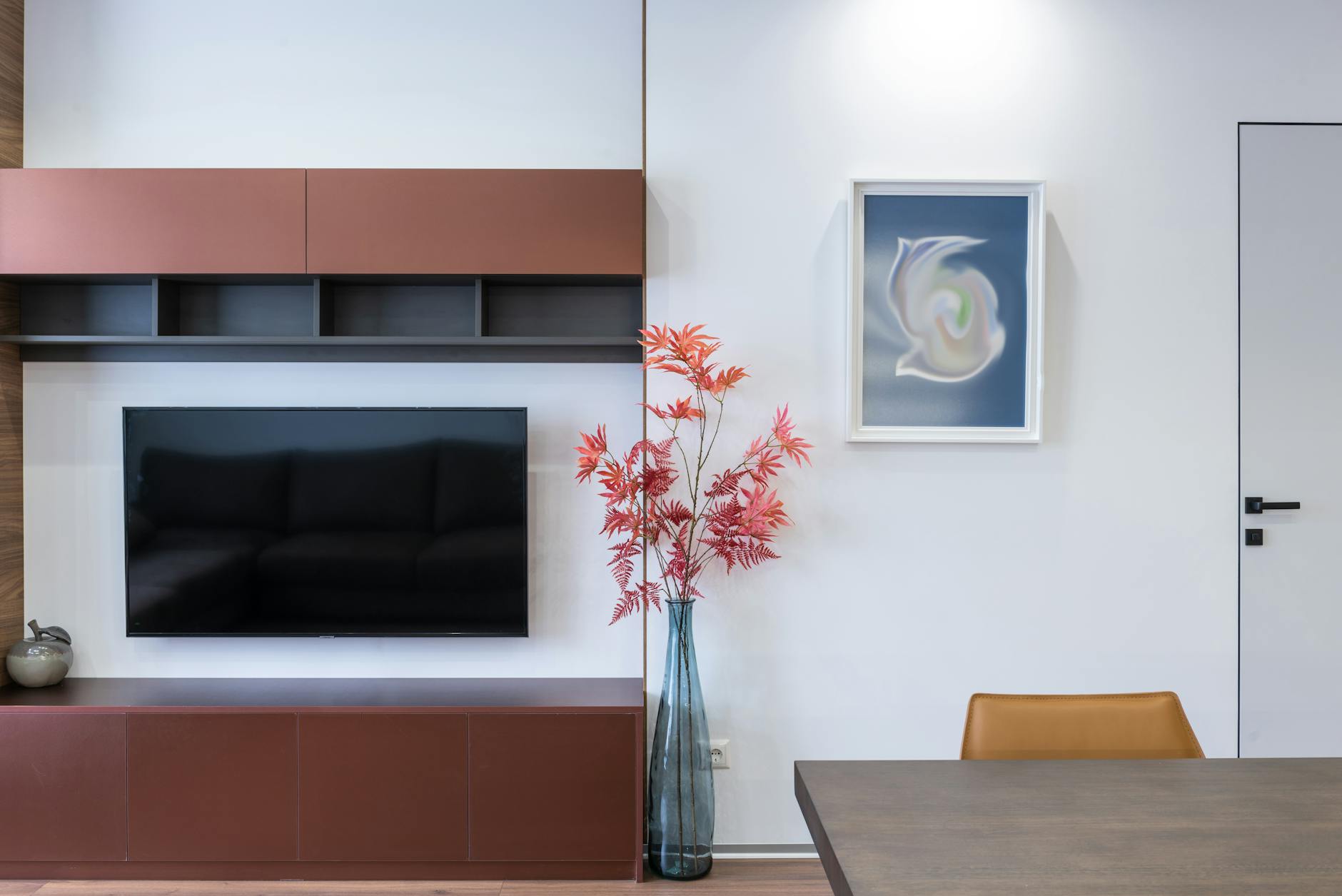
A sanctuary should reflect who you are and what brings you joy. Integrate personal touches into your home, showcasing art, photographs, or objects that tell your story. Personal mementos can evoke happy memories and foster a sense of belonging, further enhancing the peaceful atmosphere you’re aiming to create.
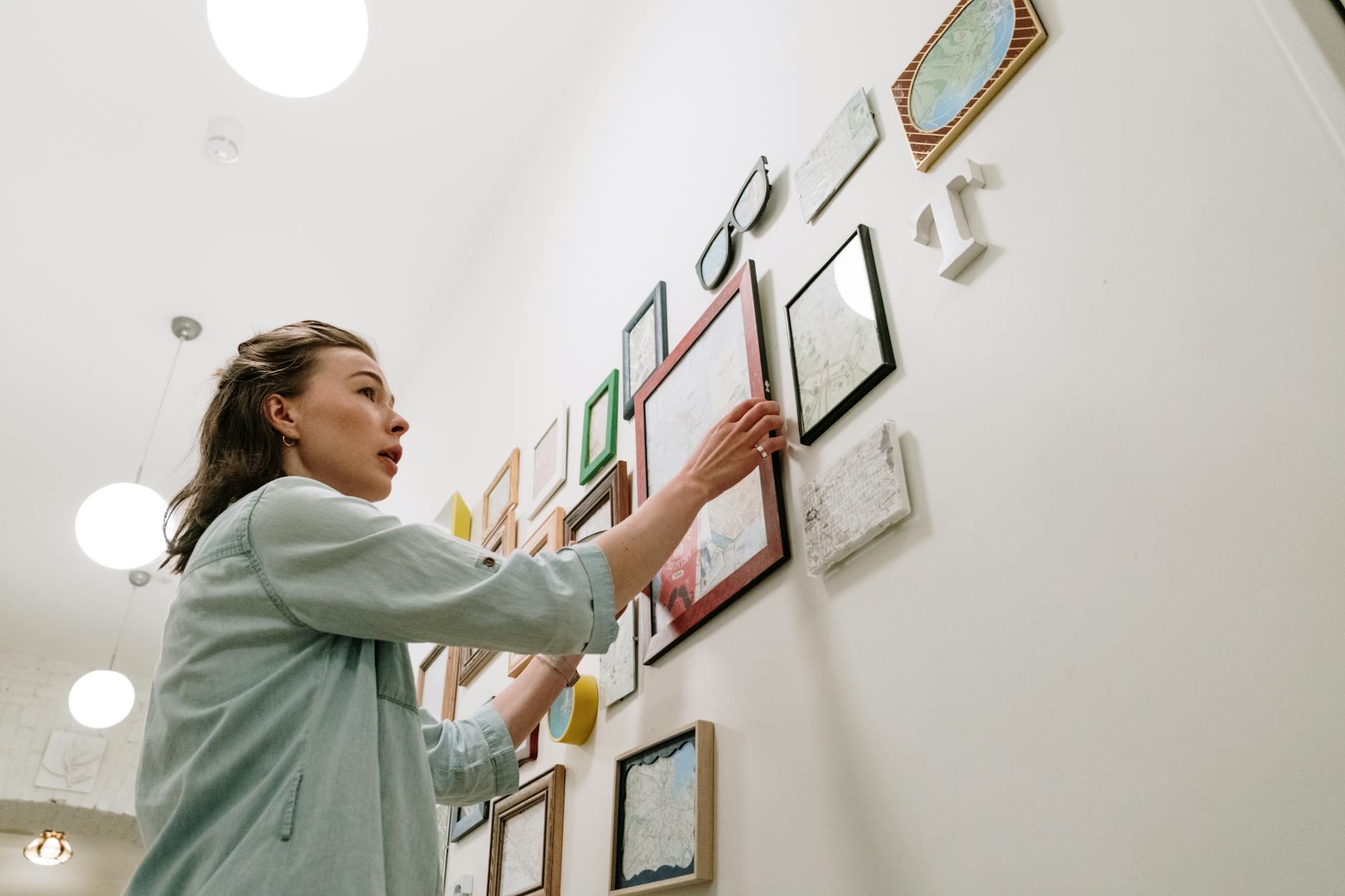
Consider dedicating a wall to display your favorite photographs or artwork that inspires you. Whether it’s a gallery wall filled with family memories or abstract art that resonates with your inner self, these personal touches can make your space truly feel like a sanctuary. Additionally, having a specific spot for relaxation—such as a reading nook by a window or a cozy chair in a quiet corner—can help anchor your mindset as you recharge in your space.
Your home should be more than just a place to reside; it should be a reflection of your inner self and a safe haven from the external world. By incorporating natural elements, soft color palettes, organization, sensory experiences, and personal touches, you can transform your living space into a sanctuary. Remember, creating a calming environment is an evolving process—take your time and enjoy the journey as you craft a home that truly reflects your sanctuary.