
In the realm of interior design, clean lines represent a philosophical approach rooted in simplicity and functionality. This modern aesthetic has gained traction among homeowners and interior designers alike, as it offers a sense of calm and order in an often chaotic world. Contemporary interiors characterized by these uncluttered lines are not merely visually appealing but also foster a lifestyle that prioritizes efficiency and mindfulness. In this article, we will delve into the principles of clean lines in contemporary interiors, examining how they impact space, functionality, and emotional well-being.
The Essence of Clean Lines
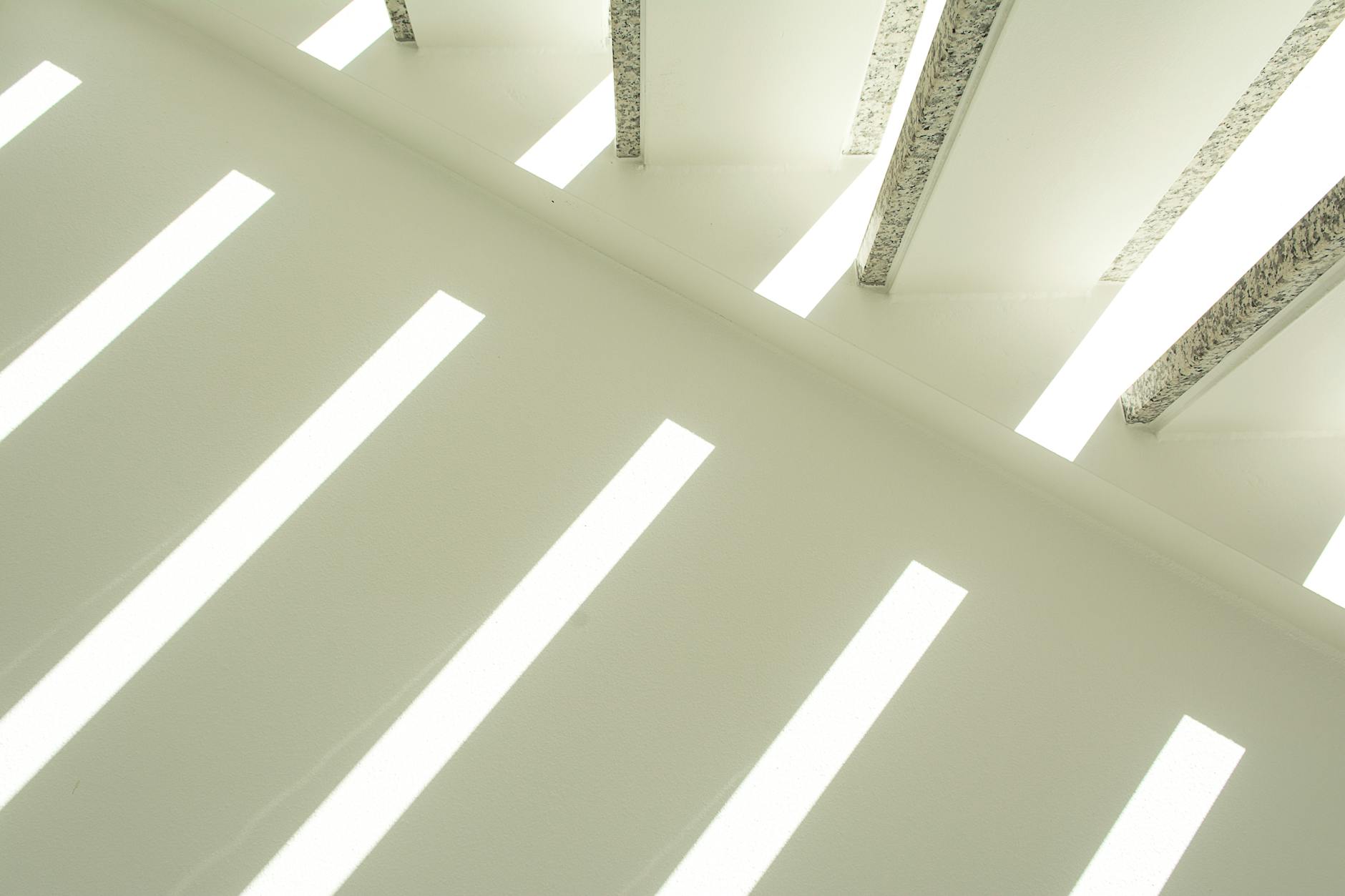
At its core, the concept of clean lines is about clarity and simplicity. This design philosophy eschews excessive ornamentation and complexity in favor of straightforward silhouettes and geometric forms. Typically, clean lines manifest through a combination of sleek furniture, unadorned walls, and open spaces that emphasize light and airiness. The goal is to create an environment that feels both modern and inviting, allowing occupants to navigate their surroundings with ease.
One key characteristic of spaces defined by clean lines is their use of horizontal and vertical planes. These planes interact to create structure without the distraction of unnecessary details. For example, consider a living room featuring a low-profile sofa with a geometric coffee table. The eye is naturally drawn along the straight lines, enhancing the room’s sense of spaciousness and harmony. Moreover, the absence of ornate moldings or excessive decorations allows for a focus on the quality of materials and craftsmanship.
Functionality Meets Aesthetics
Beyond visual appeal, the integration of clean lines into contemporary interiors serves a functional purpose. Spaces designed with this principle in mind are often easier to maintain and organize. Furniture pieces tend to be multifunctional, providing storage solutions without overwhelming the aesthetic. A streamlined approach encourages homeowners to declutter, which can significantly reduce stress and promote a sense of well-being.
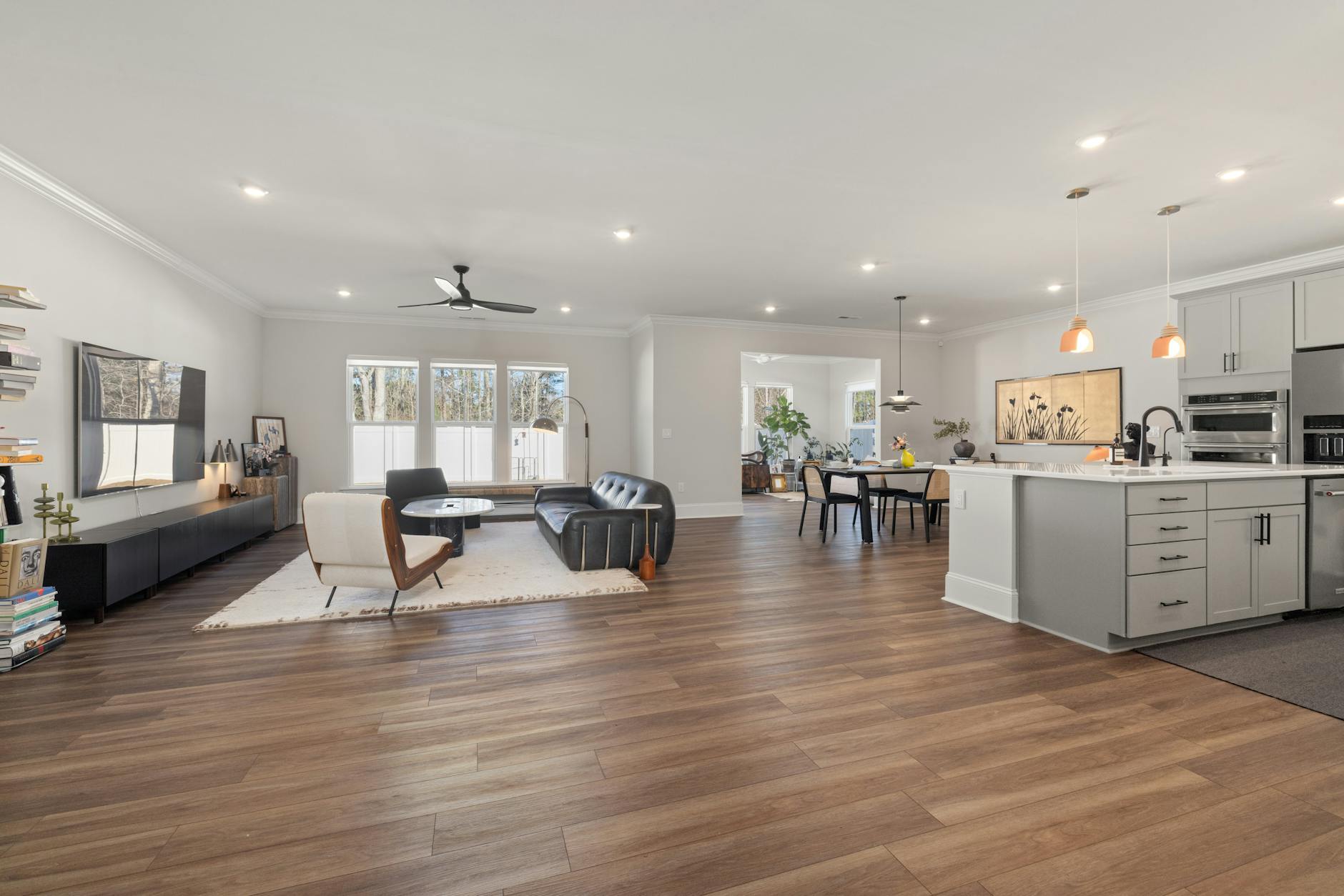
Open floor plans exemplify the harmonious blend of clean lines and functionality. This layout reduces barriers between spaces, allowing light to flow freely and creating an illusion of greater space. In contemporary design, kitchens often seamlessly connect to living areas, facilitating social interactions and an overall sense of community. By eliminating unnecessary walls and partitions, clean lines extend the utility of each room, making them more adaptable to the homeowner’s lifestyle.
Color Palettes and Textures
A key aspect of achieving clean lines in contemporary interiors is the thoughtful selection of color palettes and textures. Neutral tones, such as whites, grays, and beiges, are often favored to create a serene backdrop. These shades amplify natural light and contribute to the overall feeling of openness. However, it’s essential to incorporate texture to avoid a sterile appearance. Fabrics like linen, wool, and wood can add warmth and comfort while maintaining the design’s integrity.
Accent colors play a critical role in enhancing clean lines without overpowering the space. A strategically placed bold piece of art or a vibrant vase can serve as a focal point that draws attention without disrupting the design’s fluidity. Incorporating varying textures—such as a soft rug against a smooth wooden floor—can create visual interest while remaining true to the clean line ethos. This balance of color and texture is vital for crafting spaces that are not only aesthetically pleasing but also livable and relatable.
The Emotional Impact of Clean Design
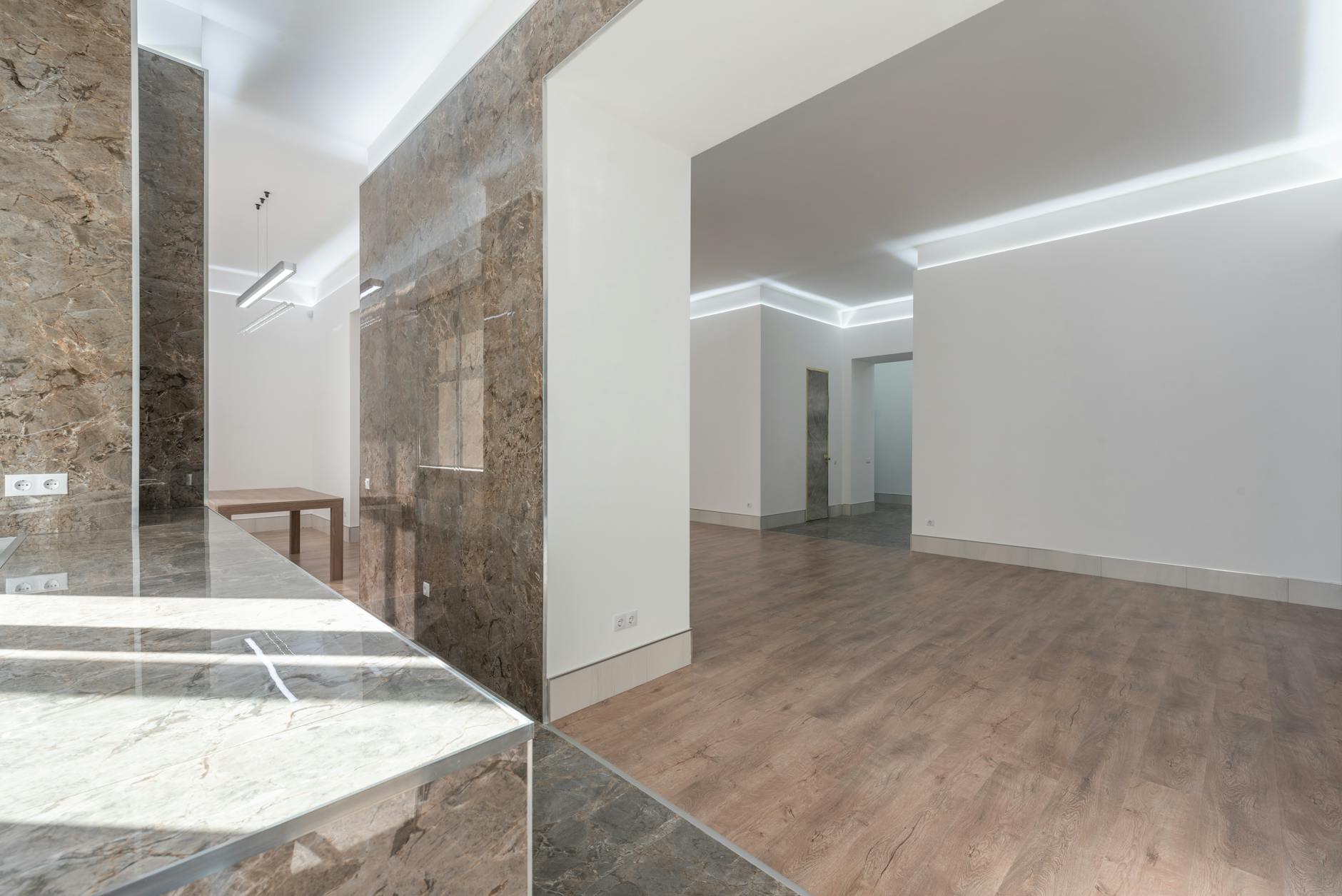
Beyond functionality and aesthetic appeal, the impact of clean lines on emotional well-being cannot be overstated. The minimalist approach encourages mindfulness—inviting individuals to appreciate their surroundings without distraction. In a world often filled with sensory overload, a clean-lined environment provides a refuge where one can unwind and recharge.
Studies have shown that cluttered environments can increase stress levels and detract from focus. In contrast, spaces that embrace simplicity offer clarity and peace of mind. The intentionality inherent in clean design allows inhabitants to foster a deeper connection with their environment, promoting feelings of happiness and contentment. This sense of tranquility is especially relevant in today’s fast-paced lifestyle, where creating a serene home environment can significantly enhance quality of life.
Tips for Incorporating Clean Lines in Your Home
If you’re inspired by the clean lines movement and wish to incorporate this design philosophy into your own home, consider the following practical tips:
- Start with a Neutral Base: Use a neutral color palette as your foundation. This provides a cohesive backdrop that allows for flexibility in decor.
- Select Streamlined Furniture: Choose furniture with simple shapes and minimal ornamentation. Look for items that serve multiple purposes.
- Embrace Open Spaces: Whenever possible, opt for an open floor plan to promote airflow and connectivity between rooms.
- Limit Accessories: Keep decorative items to a minimum. A few well-chosen pieces can have a greater impact than an abundance of decor.
By following these principles, you can create a contemporary interior that embodies clean lines while remaining functional and inviting. This approach contributes to a lifestyle that values simplicity, clarity, and well-being.
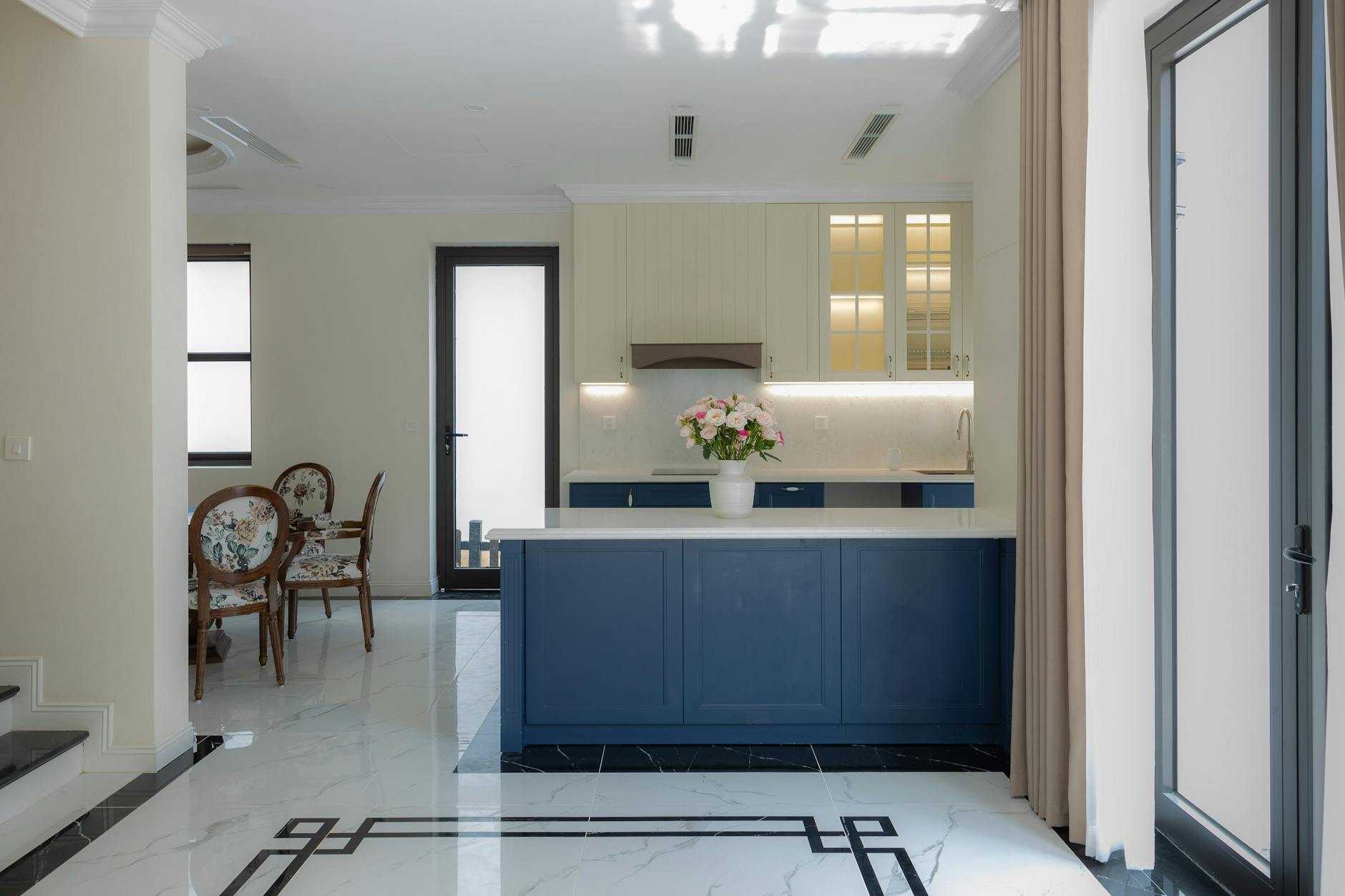
In summary, clean lines in contemporary interiors reflect a thoughtful approach to design that emphasizes simplicity, functionality, and emotional well-being. By adopting these principles in our homes, we not only enhance the visual appeal of our spaces but also create environments that foster clarity and tranquility. The journey towards minimalist living is not merely about aesthetics; it is a reflection of our desire for a balanced and harmonious existence.