
In the realm of culinary arts, a well-organized kitchen is not merely an aesthetic choice; it is a strategic necessity. For chefs, both professional and home-based, efficiency in the kitchen can significantly impact the cooking process. The way you organize your kitchen cabinets can facilitate easier access to ingredients, tools, and cookware, ultimately enhancing your cooking experience. This guide will walk you through effective strategies to organize your kitchen cabinets like a seasoned chef, ensuring that every inch of space is utilized to its fullest potential.
Assess Your Space and Inventory
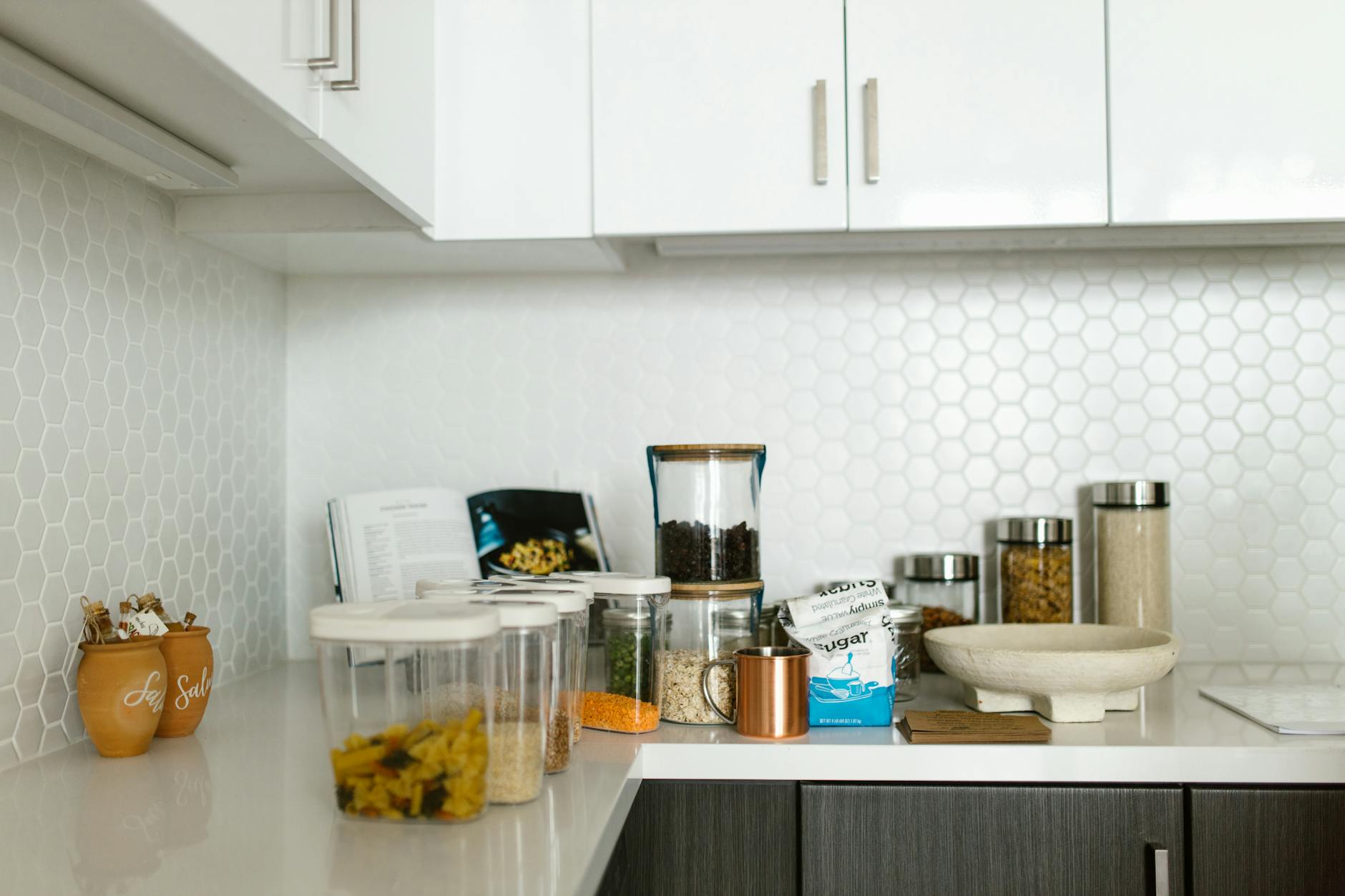
Before diving into organizing your kitchen cabinets, it is essential to assess your space and the items you have. Start by emptying each cabinet and taking account of everything inside. This inventory step not only allows you to see what you own but also helps in identifying items you no longer need. As you go through your items, consider categorizing them into groups: utensils, cookware, baking supplies, pantry items, and so forth. This will help in visualizing the organization process.
While assessing your kitchen inventory, pay special attention to the frequency of use for each item. Tools and ingredients that you use often should be easily accessible, while those used less frequently can be stored in harder-to-reach spaces. This principle is key to an efficient kitchen setup. For instance, place everyday items at eye level and reserve higher shelves for seasonal or specialty items. This approach not only enhances efficiency but also minimizes the frustration of searching for items while cooking.
Group Similar Items Together
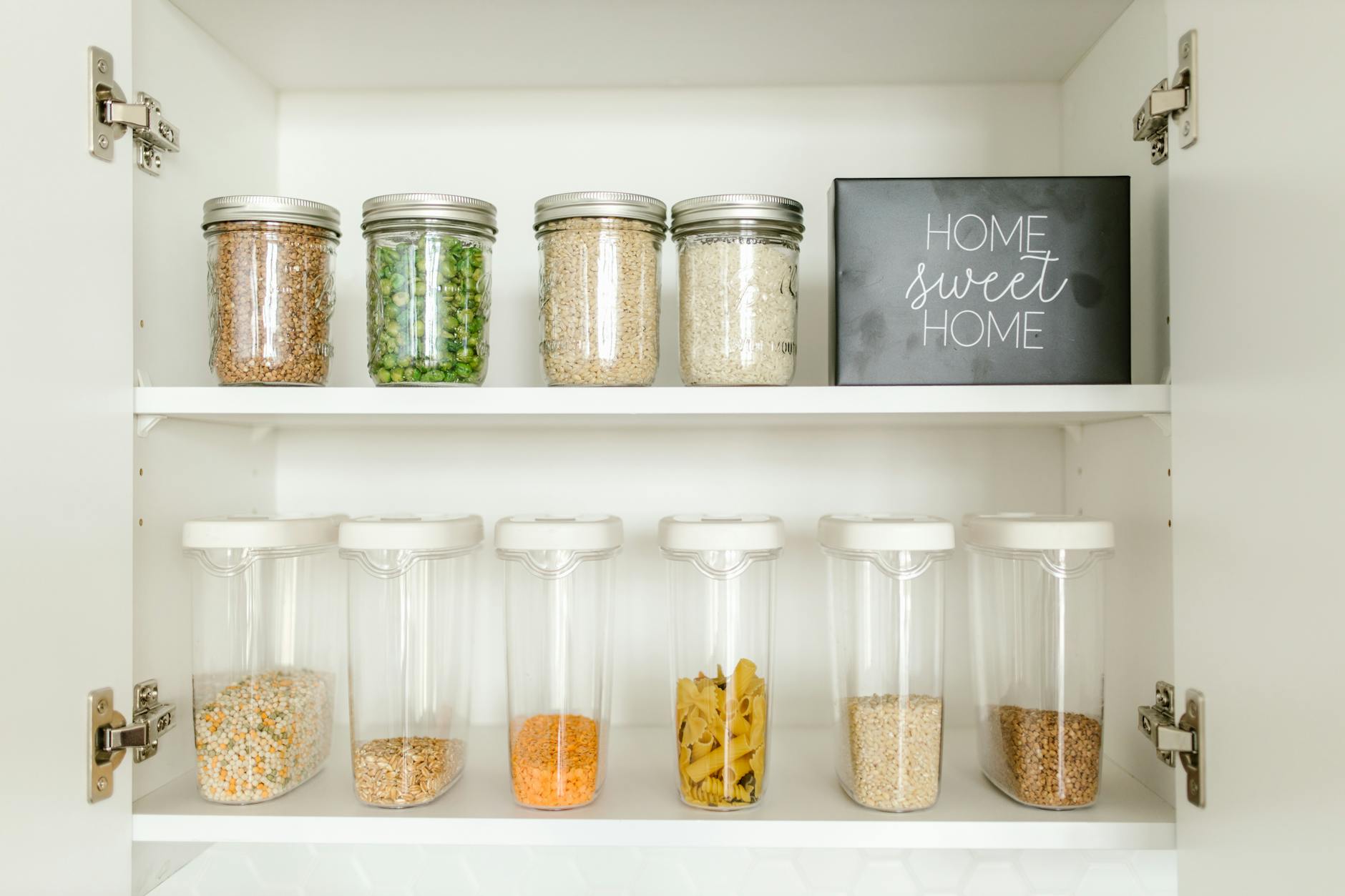
Once you’ve evaluated your inventory, the next step is to group similar items together. This method enhances cooking efficiency by reducing the time spent searching for tools or ingredients. For example, keep all baking essentials such as flour, sugar, and baking soda in one area. Likewise, consolidate all cooking oils, vinegars, and spices in another section. By creating specific zones for different culinary categories, you’ll find that the flow of cooking becomes more intuitive.
Consider using clear containers or labeled jars for pantry items. This not only makes it easier to find ingredients but also helps in managing your grocery list. When you can see what you have, you’re less likely to buy duplicates, saving both time and money. Additionally, using stackable containers can maximize vertical space in your cabinets, allowing you to create a more organized and visually appealing pantry.
Utilize Vertical and Hidden Space
Chef-inspired kitchen organization often includes maximizing every inch of available space, including vertical and hidden areas. One effective strategy is to utilize the vertical space in your cabinets by installing additional shelves or using tiered organizers. This allows you to store more items without making your cabinets feel cramped. For example, a tiered spice rack can keep your spices easily accessible and visible, reducing the time spent rummaging through jars.
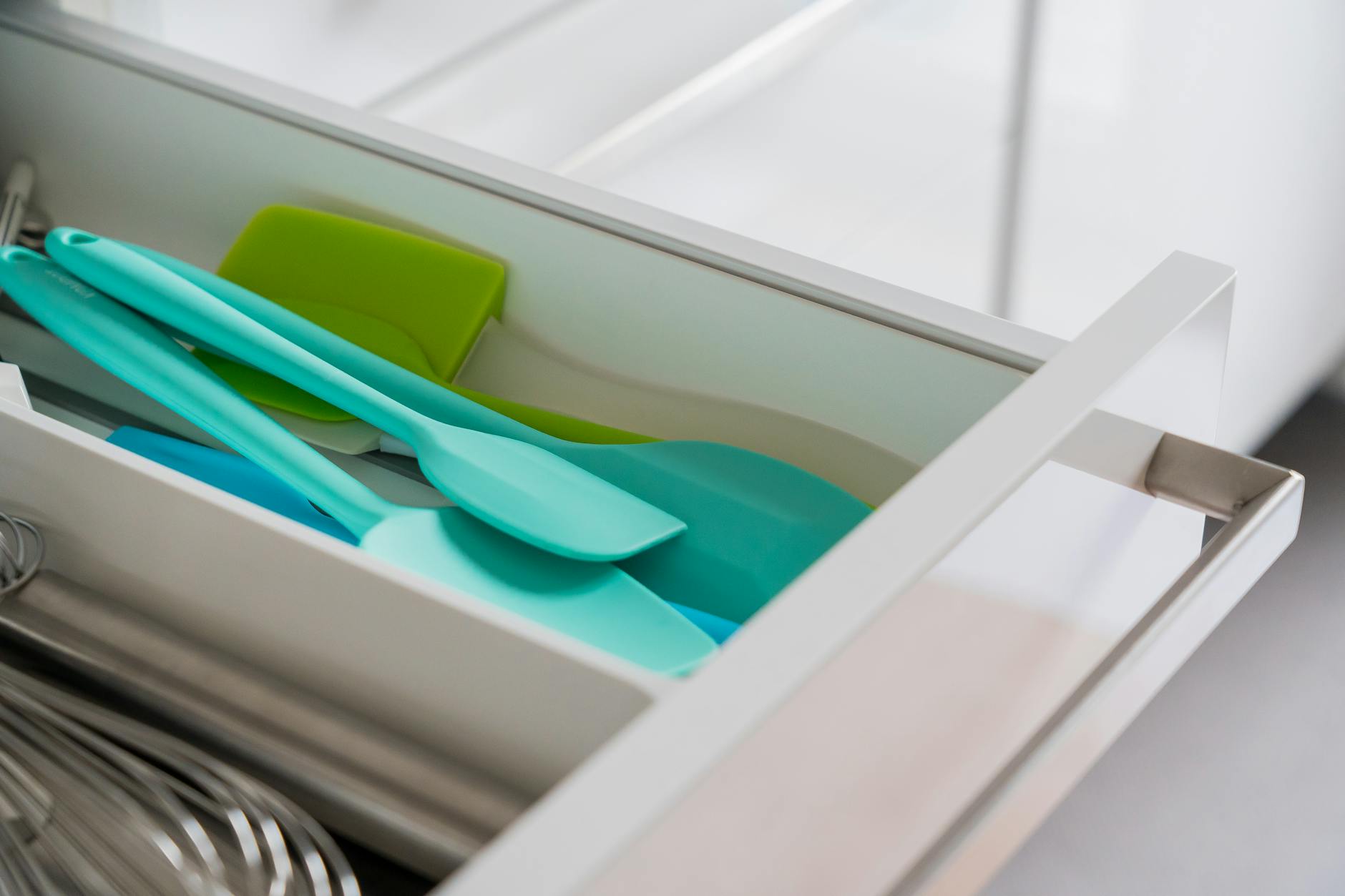
Don’t overlook the hidden spaces in your kitchen, such as the insides of cabinet doors. Hooks can be installed on the inside of cabinet doors to hang measuring spoons, pot holders, or cutting boards. This not only keeps your items organized but also frees up counter space, contributing to a more functional kitchen layout. Drawer dividers can also help in segmenting tools and utensils for easy access and better organization.
Embrace Minimalism and Regular Maintenance
One of the hallmarks of professional kitchens is their minimalistic approach. Chefs often keep only the tools and ingredients they need, discarding anything that does not serve a purpose. Adopt a similar philosophy by regularly evaluating your kitchen items and donating or discarding what you no longer use. This practice not only creates more space but also promotes a more enjoyable cooking environment.
Regular maintenance is crucial to sustaining an organized kitchen. Set aside time every few months to reassess your kitchen cabinets. This will help you identify any new clutter and make necessary adjustments. Creating a rotation system for pantry items, where older items are placed in the front and newer items in the back, can prevent spoilage and waste, keeping your kitchen as efficient as a professional chef’s.
Incorporate Personal Touches for Inspiration
Lastly, while organization is vital, don’t forget to incorporate personal touches that inspire your culinary creativity. Whether it’s displaying a collection of cookbooks, showcasing beautiful dishware, or hanging artwork that reflects your love for cooking, these elements can make your kitchen feel more welcoming and enjoyable. A kitchen that inspires you will naturally encourage more cooking adventures, making it a space where you love to spend time.
By following these organization steps and embracing a chef-like approach to your kitchen cabinets, you can transform your cooking space into a well-oiled machine. Remember that a well-organized kitchen not only improves efficiency but also enhances the joy of cooking. With just a little effort and creativity, you can enjoy a kitchen environment that is perfectly tailored to your culinary needs.