
As the summer sun blazes down, many homeowners turn to air conditioning as a means of comfort. However, air conditioning can be costly, both in terms of energy bills and environmental impact. Fortunately, there are numerous effective strategies to keep your home cool without relying on AC. These methods combine natural cooling techniques, clever design choices, and lifestyle adjustments that can help maintain a comfortable indoor climate, even on the hottest days.
Utilize Natural Ventilation
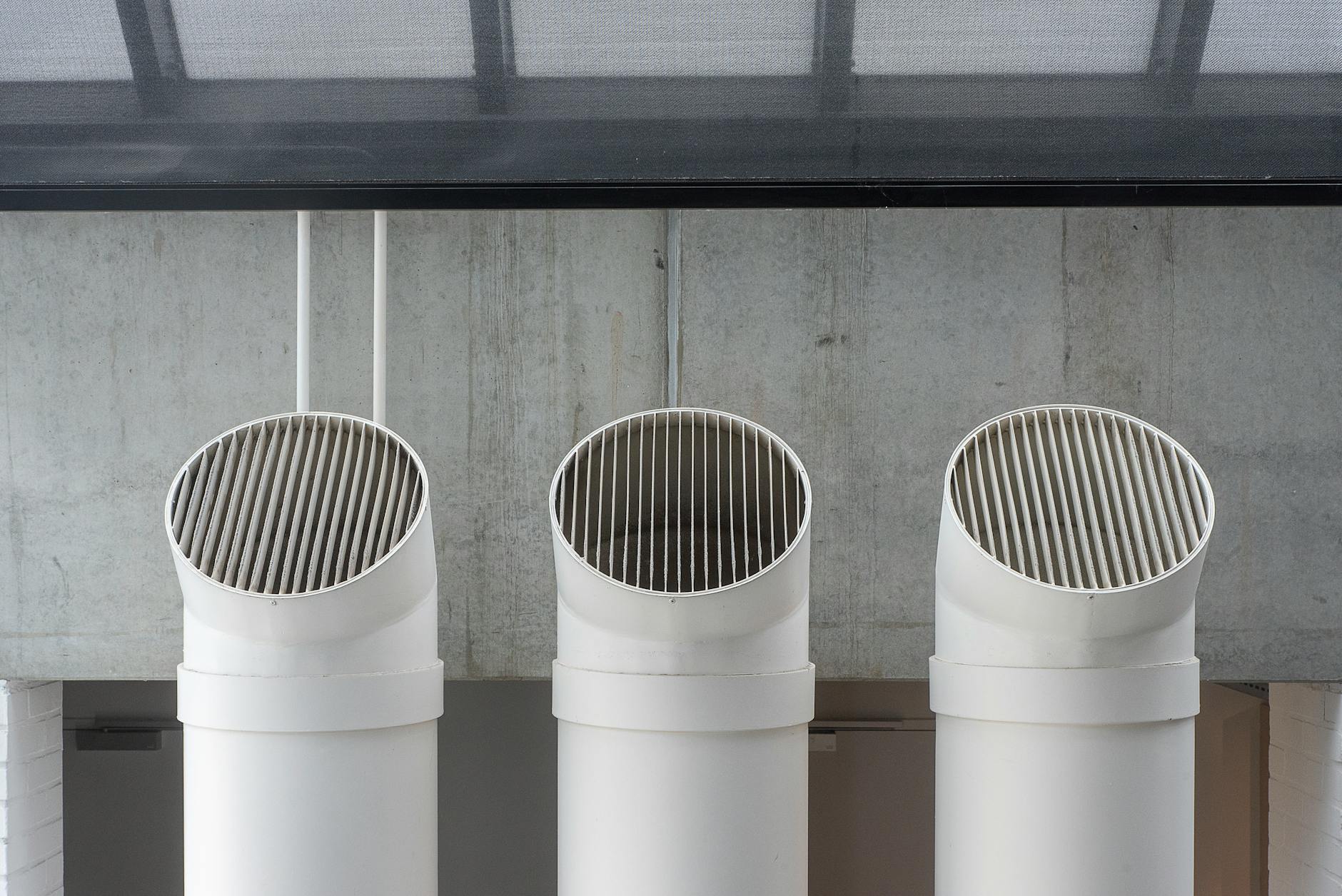
The first step to keeping your home cool is optimizing ventilation. Natural airflow can significantly reduce indoor temperatures, allowing for a comfortable living environment without mechanical systems. Begin by taking advantage of cross-ventilation. Open windows and doors on opposite sides of your home to create a breeze that helps circulate air. This technique works best during the early morning or late evening when outdoor temperatures are cooler.
Another effective method is to install vented skylights, which allow hot air to escape while drawing in cooler air. Consider using exhaust fans in areas like kitchens and bathrooms to further expel warm air. Additionally, strategically placing fans in windows can enhance airflow. For example, position fans in windows to blow air out during the day, expelling hot air while drawing in cooler outside air.

Embrace Shade and Insulation
Harnessing the power of shade can make a significant difference in how cool your home feels. Consider planting deciduous trees around your home, especially on the south and west sides, to block direct sunlight. These trees provide substantial shade in the summer while allowing sunlight to filter through in the winter after their leaves have fallen. Furthermore, installing outdoor shade structures, such as awnings or pergolas, can protect windows from the sun’s harsh rays.
Alongside shade, proper insulation plays a crucial role in maintaining a cooler indoor environment. Ensure your attic is well-insulated to prevent heat from penetrating into your living spaces. Moreover, consider using reflective window films or thermal curtains that help deflect heat from entering your home during the day. These methods can work hand-in-hand to create a more temperate atmosphere inside, reducing reliance on cooling systems.
Optimize Your Home’s Design
The physical design of your home can significantly influence its temperature. Choosing light-colored exterior paints can help reflect sunlight, reducing heat absorption. Similarly, using energy-efficient windows that are double-glazed can minimize heat transfer. If you’re planning a new build or renovation, consider incorporating large overhangs to provide additional shade for windows and walls.
Inside, focus on materials that can keep your home cool. For instance, tile or stone floors remain cooler than carpets and can help lower indoor temperatures. Additionally, using breathable materials like cotton or linen for curtains and upholstery allows for better airflow compared to synthetic fabrics. Positioning furniture away from windows can also prevent heat absorption during the day, keeping your living areas cooler.
Change Your Lifestyle Habits
Small adjustments in your daily habits can also contribute to a cooler home environment. Limit the use of heat-generating appliances during peak hours. For example, cooking on the stove or running the dishwasher during the hottest parts of the day can raise indoor temperatures. Instead, consider preparing cold meals or utilizing grills and outdoor cooking methods that keep the heat outside.
Moreover, opting for energy-efficient lighting, such as LED bulbs, can help reduce heat output compared to traditional incandescent bulbs. Incorporating plants into your home not only adds aesthetic appeal but can also help with cooling. Plants release moisture through a process called transpiration, which can help lower the surrounding temperature when strategically placed around your living space.
“A well-designed home can enhance comfort, reduce heat retention, and provide an inviting atmosphere without excessive reliance on mechanical cooling systems.”
Incorporate Thermal Mass Techniques
If you’re willing to make more significant changes to your home, consider implementing thermal mass techniques. Materials like brick, concrete, or stone can absorb heat during the day and release it during cooler evenings, stabilizing indoor temperatures. This principle of thermal mass can be especially effective in homes that experience significant temperature fluctuations between day and night.
Incorporating water features, such as indoor fountains or ponds, can also contribute to cooling. Water has a natural ability to moderate temperature through evaporation, creating a microclimate that can lower indoor temperatures. While installing such features may require an upfront investment, the long-term benefits for comfort and energy savings can be substantial.
Stay Informed and Adaptable
Finally, staying informed about weather conditions and being adaptable in your approach is crucial. Utilize weather apps to track temperatures and adjust your strategies accordingly. For instance, on particularly hot days, consider closing curtains early in the morning to block out the sun’s rays, then opening them again later when outdoor temperatures drop. This proactivity can help maintain a more stable indoor climate throughout the day.
Additionally, engaging with local community resources can provide insights and tips specific to your region. Many communities host workshops on sustainable living and energy efficiency that can offer new ideas for keeping your home cool and comfortable without relying on air conditioning.
By adopting these various methods, you can create a cooler home environment that minimizes the need for air conditioning. With thoughtful planning and a few lifestyle adjustments, you can efficiently manage your home’s temperature while promoting environmental sustainability. Whether through optimizing natural ventilation, enhancing indoor design, or changing daily habits, there are many avenues available to achieve a comfortable living space without the constant hum of an AC unit.