
Urban living is often characterized by its cacophony of sounds, bustling streets, and towering buildings. Yet, nestled within the concrete jungle lies a sanctuary of serenity: hidden rooftops that offer breathtaking views and a respite from the chaos below. Recently, I embarked on an adventure guided by a local’s tip, leading me to one such rooftop that not only showcased a stunning panorama of the city but also opened my eyes to the potential of rooftop design in transforming urban spaces. This hidden gem is a testament to how thoughtful design can enhance urban environments and create spaces that feel both intimate and expansive.
The Allure of Rooftop Spaces
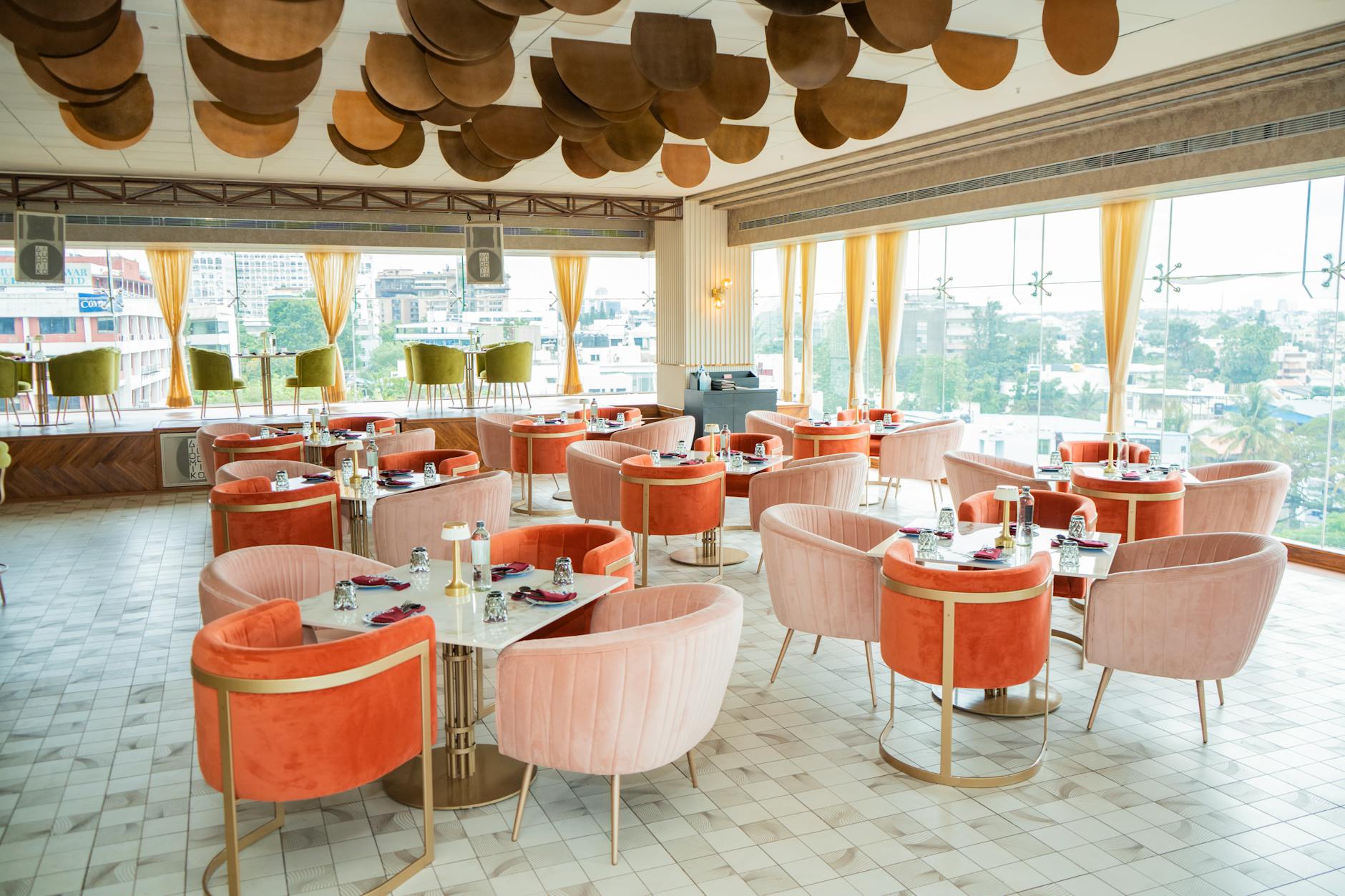
Rooftops have long been regarded as underutilized spaces, but their potential is slowly being recognized by designers and urban planners alike. Whether it’s a lush garden, a chic lounge, or an outdoor dining area, these elevated spaces provide a unique perspective of the city. They allow residents and visitors to escape the hustle of street-level life, offering a chance to enjoy fresh air and stunning vistas. The design of a rooftop can take many forms, from opulent to minimalistic, but all successful designs share a common thread: the ability to connect people with nature and the city’s skyline.
As I stepped onto the rooftop that my local friend recommended, I was immediately struck by the harmonious blend of the natural and the urban. The space had been cleverly designed to incorporate greenery—vibrant planters brimmed with flowers and small trees, creating a verdant oasis in the sky. This thoughtful landscaping fostered a sense of calm and tranquility, allowing visitors to momentarily forget they were perched above a bustling metropolis. It was this marriage of nature and architecture that truly brought the rooftop to life.
The Best Views and How to Enhance Them
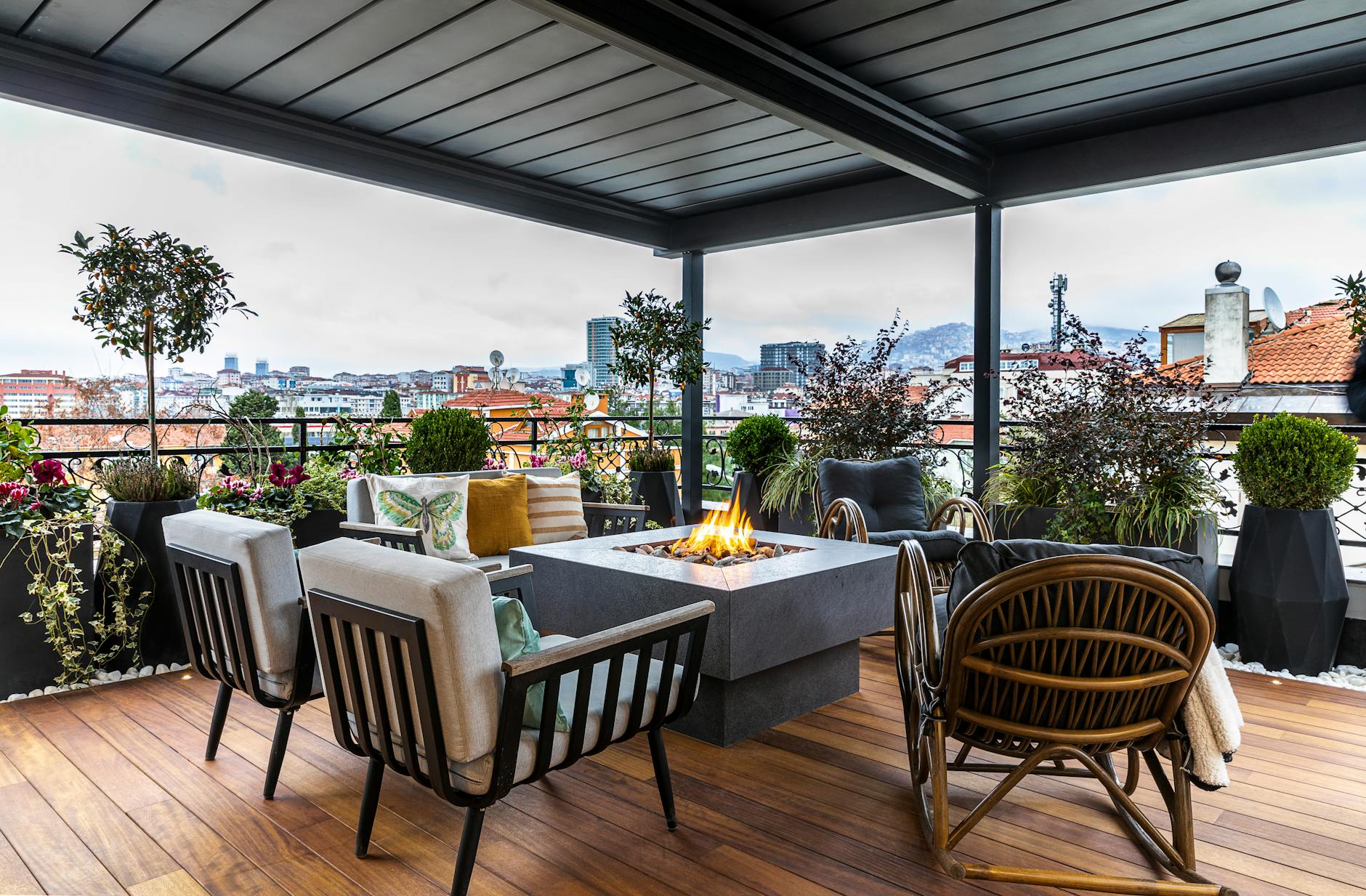
Upon my arrival, the first thing that caught my eye was the expansive view that unfolded before me. The skyline was an intricate patchwork of historical landmarks and modern skyscrapers, each telling a story of the city’s evolution. The best part? The rooftop was strategically positioned to capture the setting sun, casting a warm golden hue over the landscape and amplifying the beauty of the moment. This natural spectacle was complemented by the rooftop’s design, which featured carefully arranged seating areas that encouraged social interaction and relaxation.
To enhance the experience further, designers often utilize elements such as fire pits, outdoor lighting, and comfortable lounge furniture. These features transform a simple rooftop into a destination, making it an ideal spot for gatherings, casual dinners, or even solo reflection. The clever arrangement of seating not only maximizes the view but also creates intimate spaces that invite conversation and connection. Furthermore, the use of shading structures, like pergolas or canopies, ensures that these rooftops remain functional throughout the day, making them adaptable spaces for varying weather conditions.
Incorporating Local Elements into Rooftop Design
One of the most enchanting aspects of this hidden rooftop was the way it celebrated local culture. The design featured local materials and artisanal craftsmanship, showcasing the city’s identity. From handcrafted tiles to locally sourced furniture, every detail spoke to the region’s heritage. This not only enhances the aesthetic appeal but also fosters a sense of community and pride among residents. Designers who incorporate local elements into their projects create a narrative that connects inhabitants to their surroundings, making rooftop spaces feel less like afterthoughts and more like integral parts of the urban tapestry.
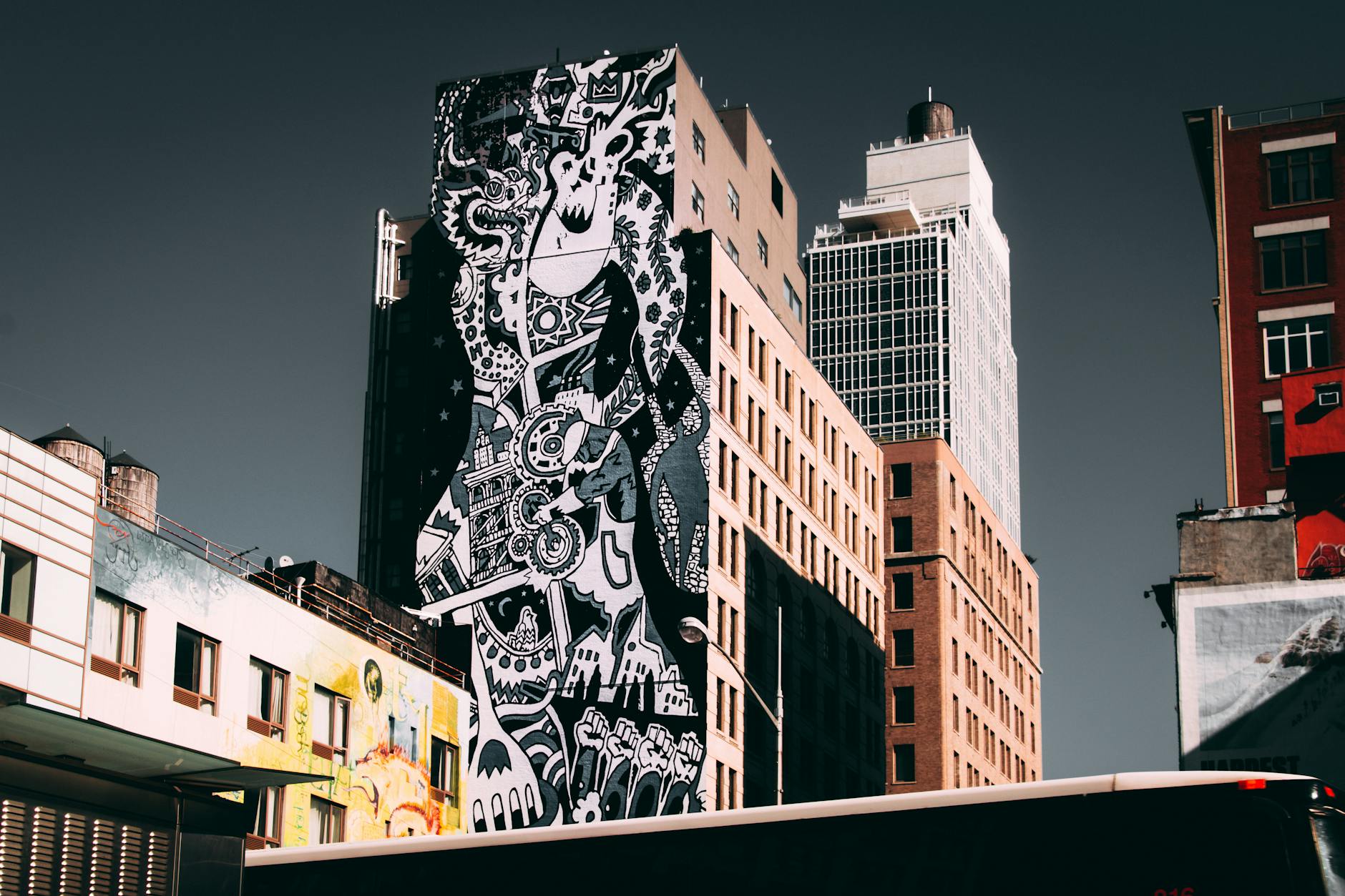
Additionally, art plays a crucial role in defining the character of rooftop spaces. Murals, sculptures, and installations can bring vibrancy and inspiration, inviting visitors to engage with the space on a deeper level. In the rooftop I visited, stunning artwork adorned the walls, adding layers of meaning and aesthetic pleasure. These artistic integrations create a unique atmosphere that resonates with both locals and tourists alike, transforming mundane rooftops into cultural hotspots.
The Social Aspect of Rooftop Spaces
Beyond aesthetics, the social aspect of rooftop design cannot be overlooked. In today’s fast-paced world, opportunities for social interaction are essential for community building. Rooftops offer unique venues for events, ranging from casual get-togethers to more formal celebrations. The rooftop I discovered buzzed with laughter and conversation; friends gathered around small tables, sharing stories and drinks while taking in the panoramic views. This vibrant social scene was a reminder of how essential shared spaces are in strengthening community ties.
Moreover, the presence of such social venues enhances the overall neighborhood experience, attracting not only locals but also visitors seeking unique experiences. Rooftop markets, pop-up events, and yoga classes have become popular ways to engage people and promote local businesses. These activities foster a sense of belonging and highlight the importance of inclusive design in urban settings.
Creating Your Own Rooftop Retreat
If you’re inspired to create your own rooftop retreat, consider starting by assessing the space’s potential. Focus on elements that enhance the view and usability—think about comfortable seating, greenery, and decorative touches that reflect your personal style. Incorporating local materials can add character and support local artisans, further enriching your rooftop experience.
Additionally, think about the functionality of the space. Will it serve as a quiet escape, a social hub, or both? Make sure to include diverse seating arrangements that cater to various activities, whether it’s lounging with a book or hosting a dinner party. Remember, the key is to create an inviting atmosphere that encourages relaxation and interaction, no matter how large or small your space is.
In transforming your rooftop, consider the environmental impact as well. Sustainable practices, such as rainwater harvesting for plants or solar panels for energy, can enhance the eco-friendliness of your space while adding value. In a world where urban living often feels disconnected from nature, your rooftop could become a vital link to the environment.
As I departed from the rooftop, I couldn’t help but feel grateful for following my local guide’s advice. This hidden oasis not only offered a remarkable view but also showcased the transformative power of rooftop design. By incorporating local elements, focusing on social interaction, and enhancing the natural beauty of the space, designers can create stunning urban sanctuaries that inspire and connect us all. The challenge now lies in recognizing and harnessing the potential of rooftops in our own cities, crafting spaces that celebrate both community and skyline.