
In today’s fast-paced world, the need for flexible living spaces has never been greater. With urban living on the rise and the trend toward smaller homes, multi-functional living areas have become more than just a luxury—they are a necessity. Designing a living space that serves multiple purposes can maximize both functionality and comfort, transforming your home into a versatile haven. In this article, we’ll explore effective strategies for creating multi-functional spaces that cater to various needs without compromising on style.
Understanding Your Needs and Priorities
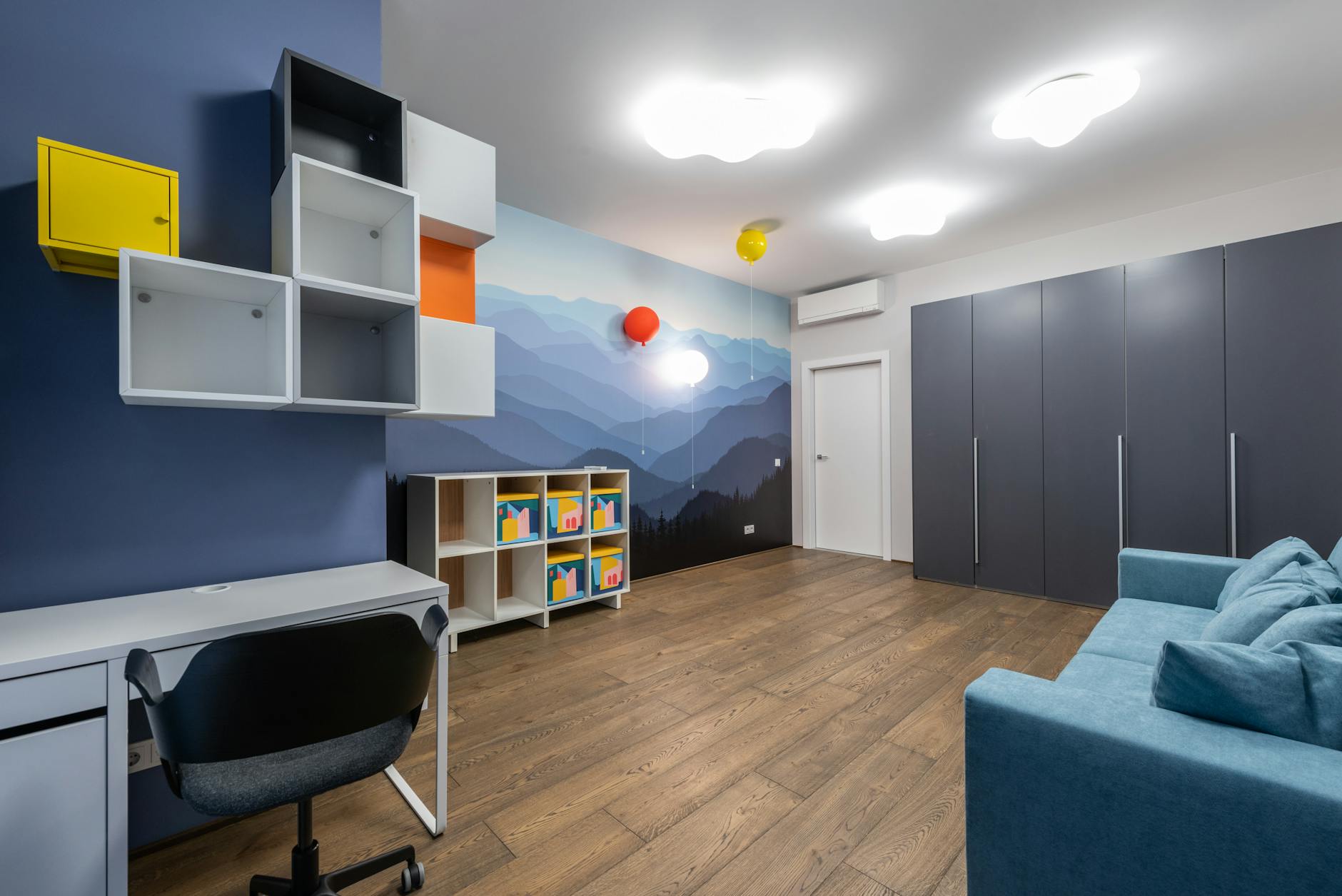
Before diving into the nitty-gritty of design, it’s crucial to identify the specific functions that your living space needs to accommodate. Consider your lifestyle and the activities you frequently engage in. For instance, do you work from home? Do you love to host guests? Is there a need for a space where children can play or study? Write down these priorities to ensure your design choices remain focused and relevant to your daily life.
Once your list is established, you can begin to visualize how these functions can coexist. Utilizing a space that meets multiple needs can often mean rethinking traditional furniture layouts. For example, selecting a stylishly designed, high-quality sofa bed can give you a comfortable seating area by day and an inviting guest bed by night. This flexibility allows you to maximize every square foot of your living space.
Choosing the Right Furniture
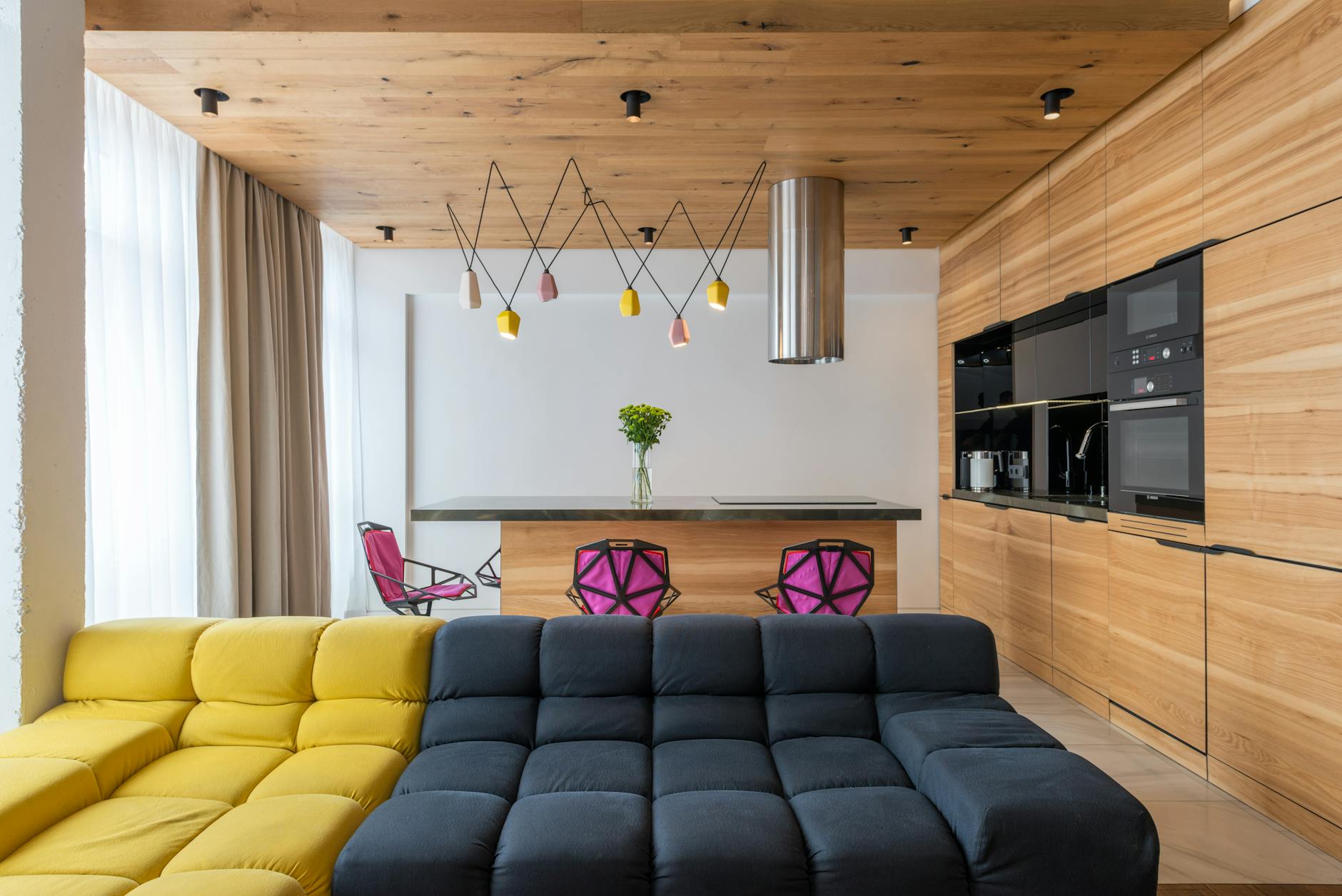
When it comes to designing a multi-functional living space, furniture selection plays a pivotal role. Opting for modular or transformable furniture can significantly enhance your versatility. Look for pieces that can serve dual purposes, such as an ottoman that doubles as storage or a coffee table that can rise to become a dining table. These features allow you to adapt your space easily depending on your current needs.
Additionally, consider the scale and proportions of your furniture. Oversized pieces can dominate a smaller room, making it feel cramped and cluttered. Instead, choose sleek, space-saving designs that provide functionality without overwhelming the area. Furniture on legs can also create an illusion of more space, making your living area feel open and airy.
Incorporating Smart Storage Solutions
Clutter is often a major roadblock to achieving a multi-functional living space. To avoid overwhelming your home with unnecessary items, it’s vital to incorporate smart storage solutions. Think of furniture that provides storage options, such as benches with built-in compartments or coffee tables that open up for concealed storage. This will help maintain an organized and tidy space while serving dual purposes.
Wall-mounted shelving is another excellent way to maximize vertical space. Floating shelves can display decor while providing additional storage for books or games. Consider using decorative baskets or storage boxes for a cohesive look that also helps to keep items neatly tucked away. Creating dedicated zones for various activities can also define your space further, adding both function and style. For example, a designated reading nook adorned with bookshelves and comfortable seating can entice relaxation without sacrificing functionality.
Creating Zones for Different Activities
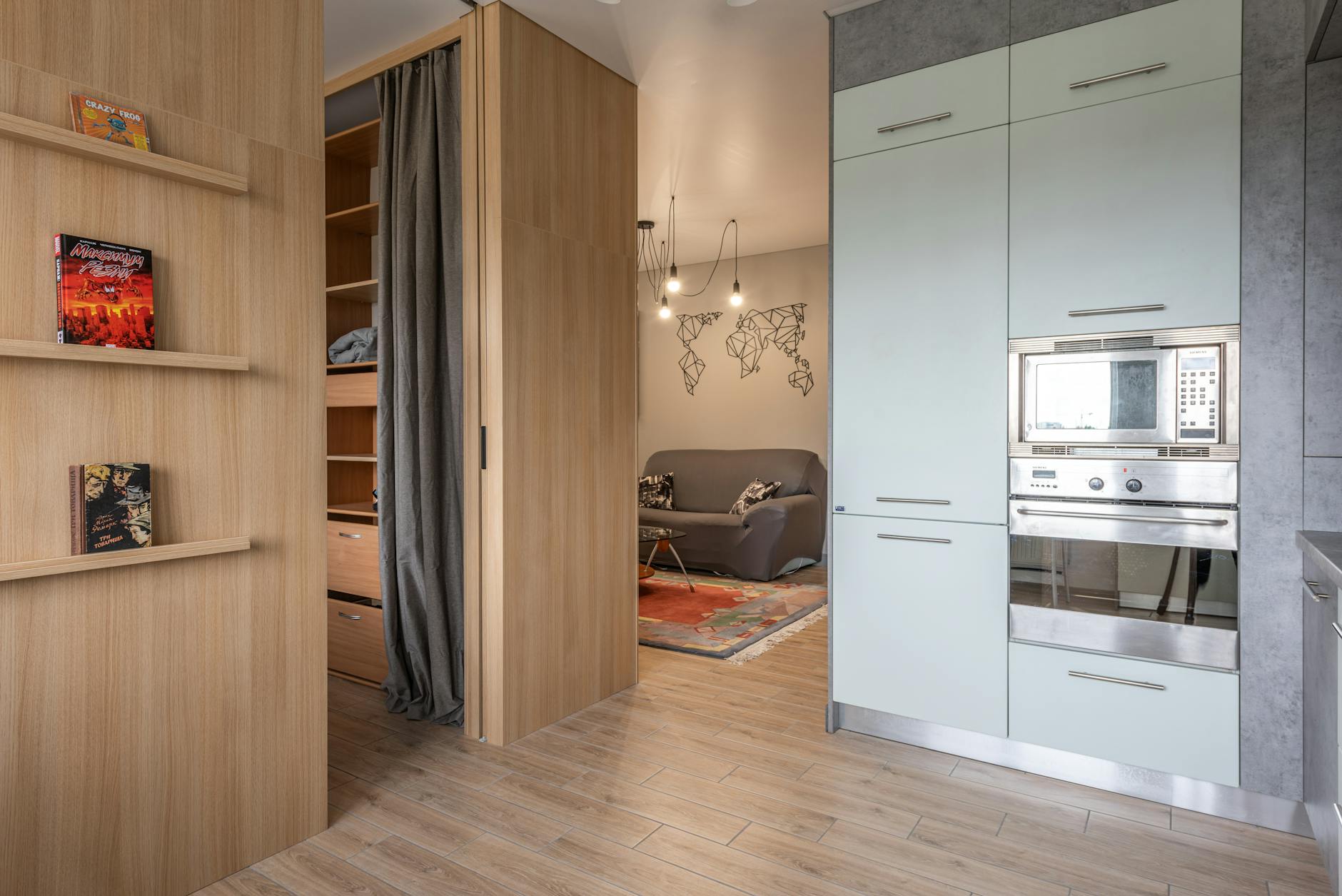
Effective zoning can transform an ordinary living room into a multi-functional space. By utilizing rugs and furniture placement, you can create visual boundaries that delineate specific areas for various activities, such as lounging, working, and entertaining. For instance, a larger area rug can anchor a seating area, while a smaller rug can define a workspace. This clever arrangement not only enhances functionality but also adds depth and visual interest to your living room.
Consider investing in screens or partitions if you want to create more distinct zones. These can be used to separate areas when needed, providing privacy or a sense of separation for different activities. Folding screens are particularly advantageous because they can be easily adjusted based on your needs. Artful partitioning not only enhances functionality but can also act as a focal point, adding character and style to your space.
Designing for Flexibility and Comfort
The importance of comfort cannot be overstated in a multi-functional living space. Given that this area serves multiple purposes, selecting versatile and comfortable furnishings can significantly enhance the experience of your living environment. Look for layered seating options that can accommodate both solitary relaxation and group gatherings. For example, a large sectional can be perfect for family movie nights while still providing a cozy corner for reading.
Moreover, consider the lighting in your area. A mix of ambient, task, and accent lighting can create a welcoming atmosphere that adjusts to multiple moods. Floor lamps, table lamps, and dimmable overhead lights can all contribute to a versatile environment. By carefully curating lighting options, you can effortlessly shift your space from a bright workspace during the day to an intimate setting for entertaining at night.
Finally, don’t forget about textiles. Layering textures through cushions, throws, and curtains can enhance both comfort and aesthetics. Choose materials that can endure everyday use while also being inviting. Incorporating patterns and colors that resonate with your personal style can infuse the space with character while maintaining its functionality.
Final Touches: Personalization and Style
With the essential elements of your multi-functional living space in place, it’s time to add those personal touches that make the space truly yours. Artwork, decorative accents, and plants can inject personality and warmth into your design. Consider incorporating elements that reflect your interests or travel experiences, giving your living area a unique story.
Plants are particularly beneficial; they not only enhance the aesthetic appeal but also improve indoor air quality and provide a calming atmosphere. Selecting low-maintenance varieties can ensure that your living space remains both beautiful and functional, catering to your lifestyle without adding too much upkeep.
Ultimately, a successful multi-functional living space balances practicality with style. By focusing on furniture selection, smart storage solutions, defined zones, and a personal touch, you can create a serene haven that meets your various needs without sacrificing visual appeal. The essence of effective interior design lies in its ability to adapt, and with these strategies, you can ensure your living area serves you well for years to come.