
In a world of rapid urbanization and technological advancement, few places embody the delicate balance between tradition and innovation like the city of Lisbon, Portugal. A city that seems to exist in a time warp, Lisbon offers its visitors the chance to walk through centuries of history while simultaneously experiencing the vibrancy of modern life. From the winding cobblestone streets of its historic neighborhoods to the cutting-edge architecture of its new developments, Lisbon is a living testament to the coexistence of the past and the future.
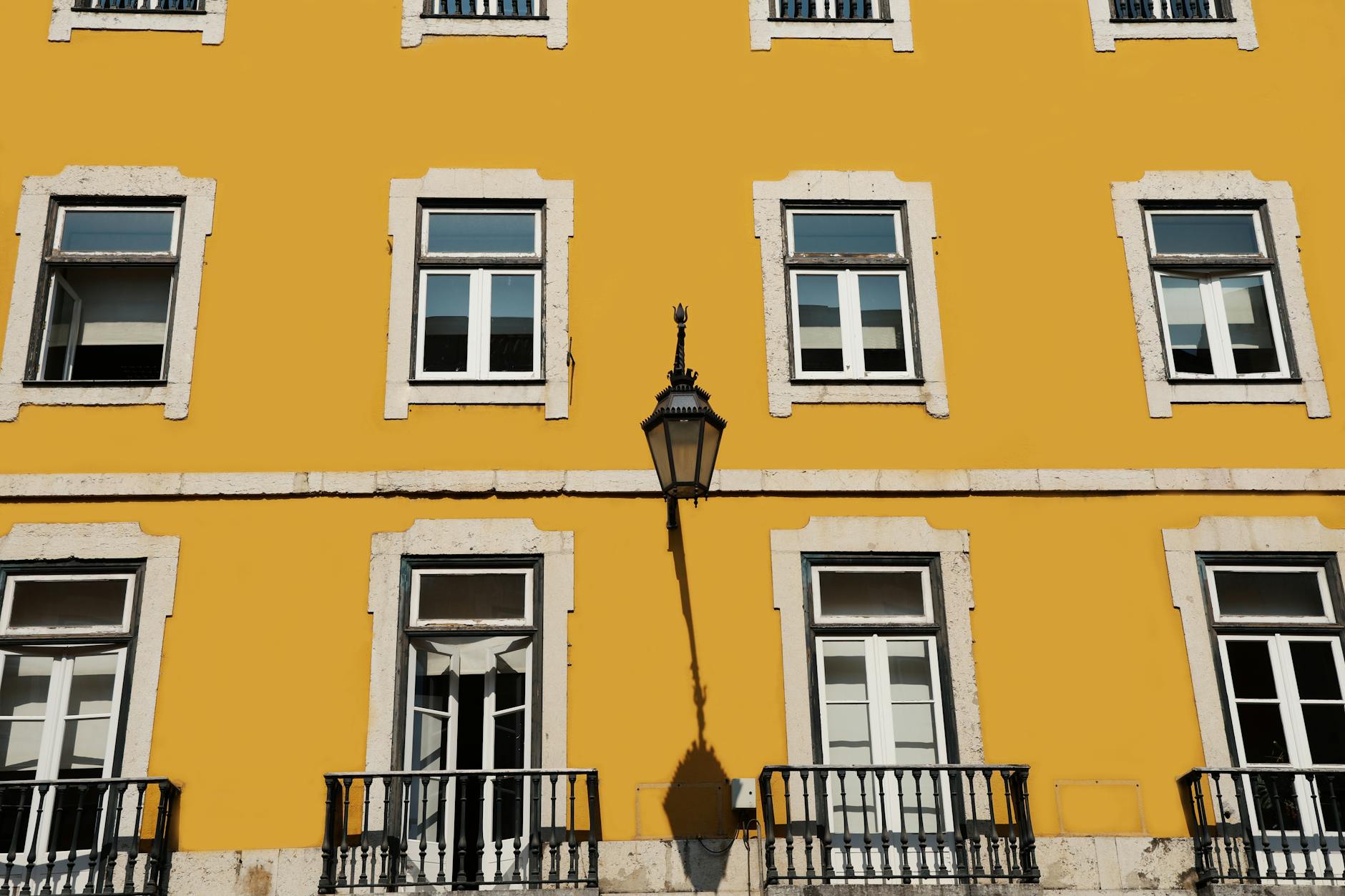
As you wander through the Alfama district, one of the oldest areas in the city, the atmosphere transports you back in time. Here, traditional Fado music spills from intimate taverns, and locals gather to chat over cups of coffee. The narrow streets are lined with pastel-colored buildings adorned with intricate tiles, known as azulejos, that tell stories of a bygone era. Yet, all around you, the city is adapting. Wi-Fi signals permeate the air, and chic cafes serve artisanal coffee alongside digital nomads who have made Lisbon their home.
Architectural Harmony: Blending Old and New
The architectural narrative of Lisbon is a fascinating study in contrasts. Historical monuments like the Jerónimos Monastery and Belém Tower stand proudly alongside modern marvels such as the MAAT (Museum of Art, Architecture and Technology). This museum, designed by the renowned architect Amanda Levete, is a stunning example of how contemporary design can harmonize with the historical fabric of a city. The flowing lines of MAAT echo the nearby Tagus River while offering a striking visual juxtaposition to the surrounding Manueline architecture.
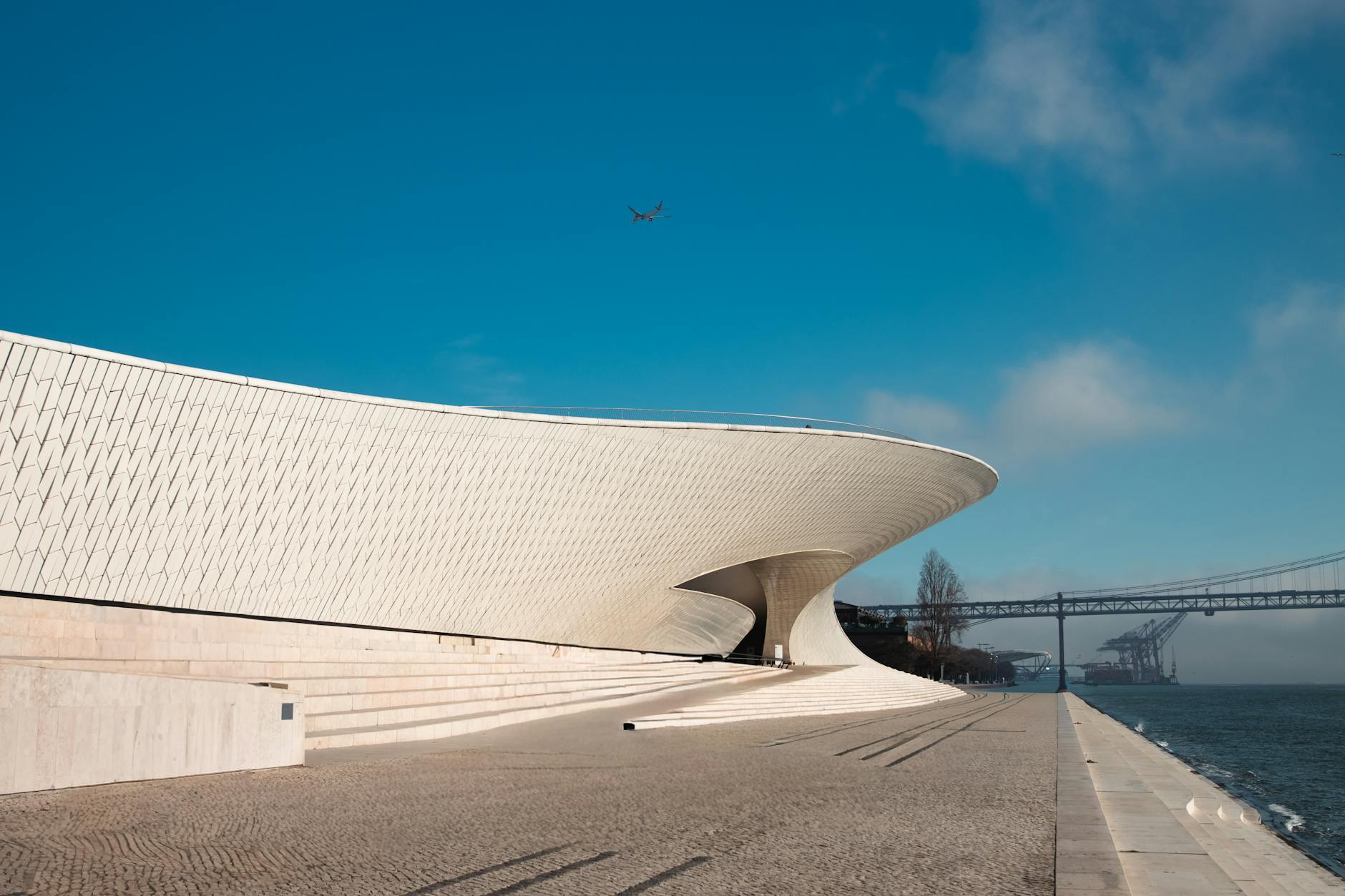
As you explore the city, it’s impossible not to be captivated by the way Lisbon embraces its history while pushing boundaries. The contrast is most apparent in the Parque das Nações, the site of the 1998 Expo. This area, once an industrial zone, has been transformed into a modern urban landscape filled with sleek skyscrapers, cutting-edge public spaces, and the spectacular Vasco da Gama Bridge. Here, the past is not discarded but woven into the fabric of the present, creating a rich tapestry that showcases the city’s growth and evolution.
Cultural Fusion: A Melting Pot of Influences
Lisbon’s charm extends beyond its physical architecture; the city’s culture is a vibrant mix of influences that reflect its history of exploration and trade. As a gateway between Europe, Africa, and the Americas, Lisbon has been a melting pot of cultures for centuries. Walking through the city, you can taste this diversity in its cuisine. From traditional dishes like bacalhau à brás (codfish) to international flavors found in bustling markets, Lisbon’s food scene celebrates its multicultural heritage.
One prime example of this fusion is the Time Out Market, where local chefs showcase their culinary artistry alongside international flavors. It stands as a testament to how the city embraces both its roots and the global community. You can savor the flavors of Portugal while enjoying innovative takes on classics, reinforcing the notion that in Lisbon, the past and future are continually intertwined.
Sustainability: A Look Ahead
As cities worldwide grapple with the challenges of sustainability, Lisbon is leading the way with innovative initiatives that respect its history while building for the future. The city’s commitment to sustainability is evident in its investment in green spaces, efficient public transportation systems, and initiatives that promote renewable energy. Projects like the Green Capital of Europe award emphasize Lisbon’s dedication to eco-friendly practices that enhance the quality of life for its residents and visitors alike.
The city is also witnessing a shift in urban living, with an emphasis on promoting bicycle and pedestrian pathways. Initiatives like the expansion of bicycle lanes and car-free zones reflect a vision of a city that prioritizes the environment while fostering community and connectivity. This progressive approach is a reminder that history doesn’t have to be static; it can evolve to meet the demands of a changing world.

Lisbon’s balanced approach to growth and preservation invites reflection on how cities can thrive amid the complexities of modern life. The integration of nature into urban spaces not only enhances the aesthetic appeal but also reinforces the notion that the past can coexist with innovation. The city’s ability to embrace sustainability speaks to a future grounded in responsibility and care for the environment.
Conclusion: The Journey of Discovery
Discovering Lisbon is like peeling back the layers of a beautifully complex narrative. Each street, each building, and each interaction reveals the city’s rich tapestry, where the past meets the future in the most harmonious way. As Lisbon continues to evolve, it remains committed to preserving its history while embracing the possibilities that lie ahead.
Ultimately, this city serves as an inspiration for urban centers across the globe, showcasing how it is possible to celebrate heritage while innovating for a sustainable future. Walking through Lisbon feels like stepping into a living museum where history is not merely preserved but actively engaged in creating tomorrow’s stories.