
In the dynamic world of interior design, a well-thought-out furniture layout is crucial for both aesthetics and functionality. The arrangement of your furniture can completely transform a space, enhancing its appeal while ensuring it meets your lifestyle needs. Whether you’re working with a compact studio apartment or a spacious family home, the right layout empowers you to make the most of your environment. In this article, we explore inspiring furniture layouts that not only look stylish but also serve a purpose, creating a harmonious balance between beauty and practicality.
Understanding the Importance of Furniture Layout
Before diving into specific layouts, it’s essential to understand why the arrangement of furniture matters. A well-planned layout fosters functionality, improves traffic flow, and promotes interaction among occupants. For instance, in a living room, positioning seating areas around a focal point—such as a fireplace or a television—encourages social engagement and creates a warm atmosphere. On the other hand, poorly configured layouts can lead to awkward spaces, causing frustration and diminishing the usability of the area.
Moreover, a thoughtfully arranged space can enhance the perception of size and openness, which is particularly vital in smaller homes. By strategically placing furniture and leaving ample space for movement, you can make a compact area feel larger and more inviting. Thus, when planning your layout, consider both the aesthetic qualities of your furniture and how they will function in your everyday life.
Key Principles of Effective Furniture Arrangement
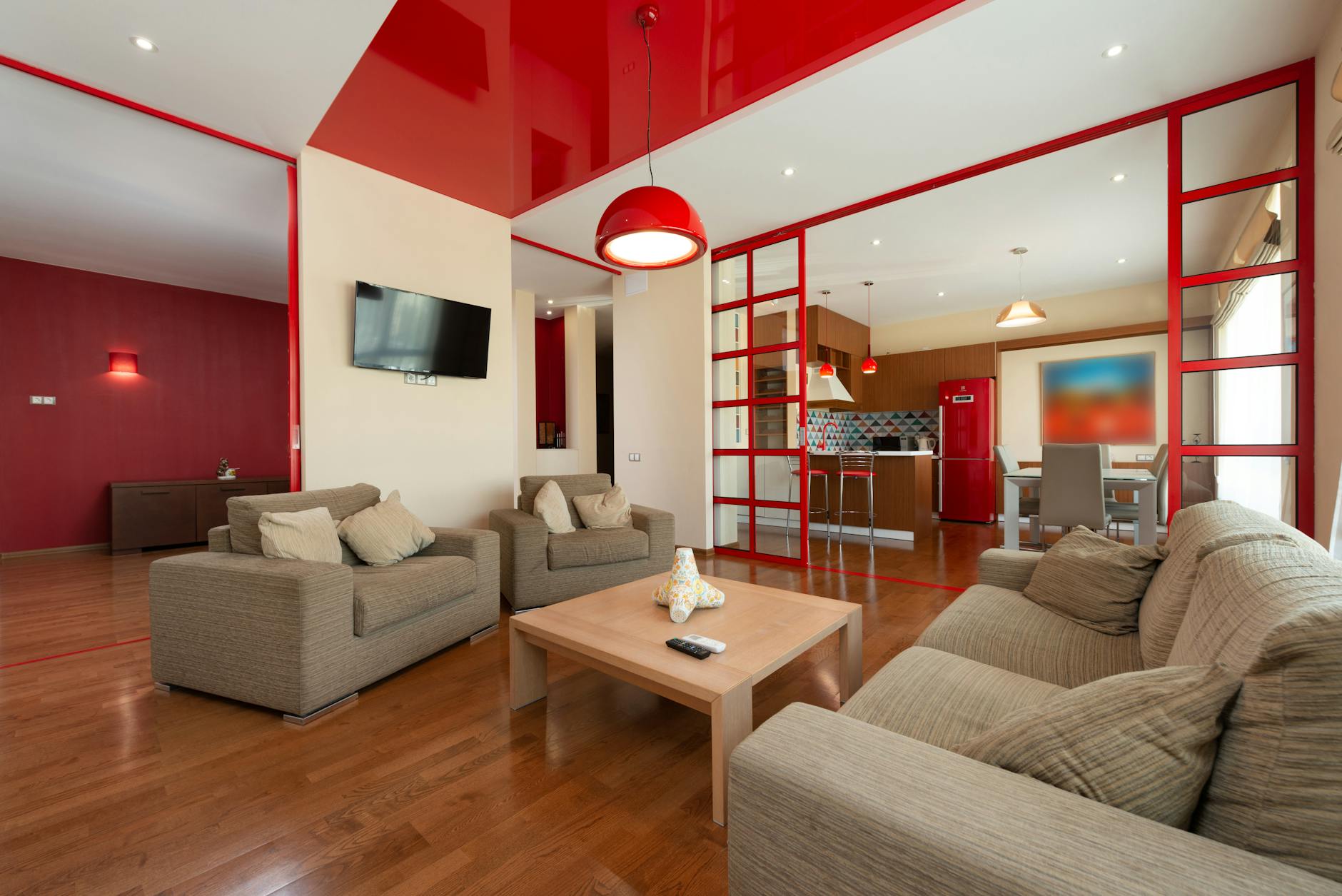
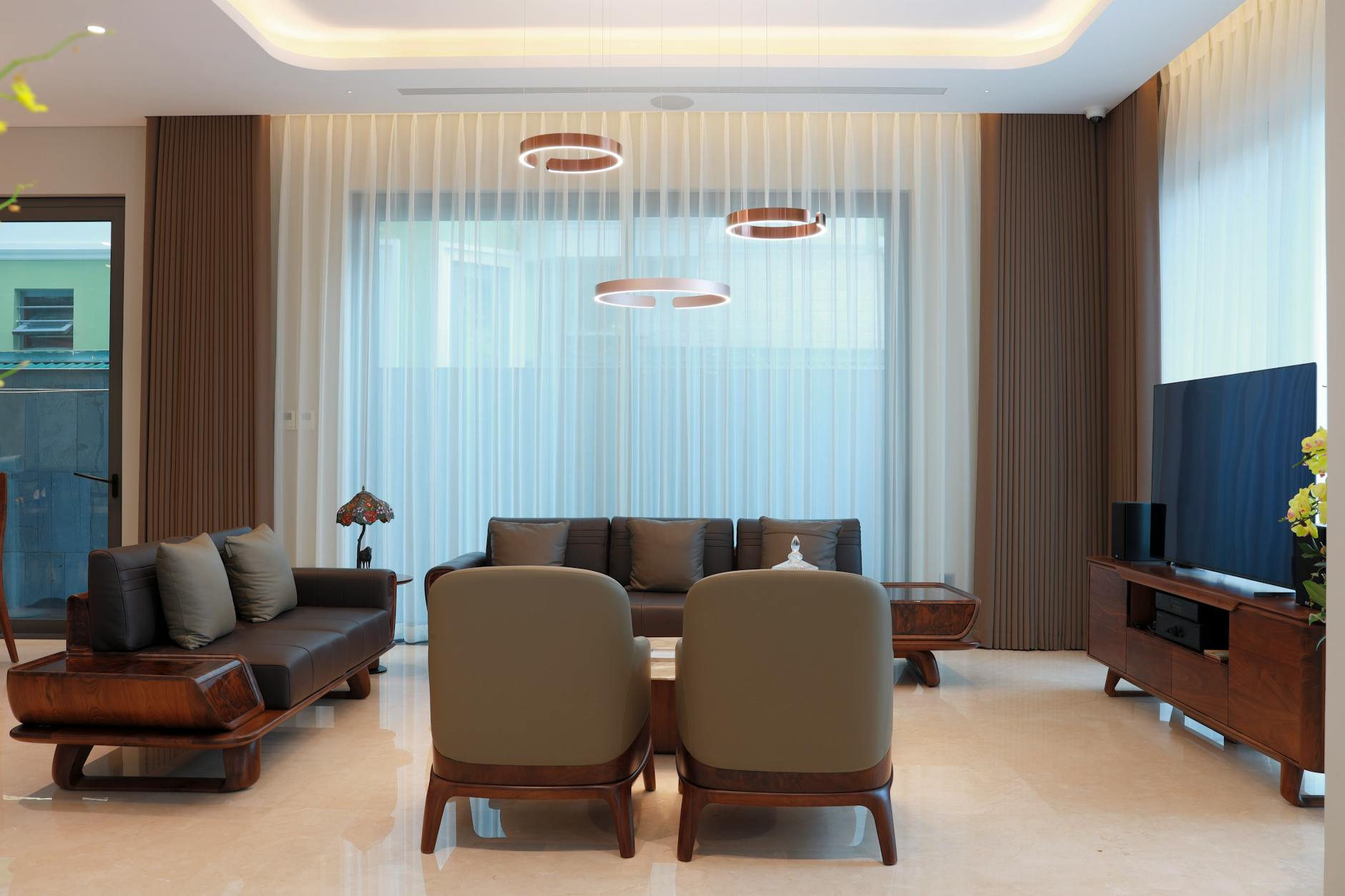
To create stylish and functional furniture layouts, several guiding principles should be kept in mind. First and foremost is the concept of balance. This can be achieved through symmetrical arrangements, where furniture pieces are mirrored on either side of a central point, or asymmetrical designs that distribute visual weight without creating uniformity. For example, placing a large sofa opposite two armchairs can create a balanced and inviting seating area.
Another important principle is proportion and scale. Selecting furniture that fits the dimensions of your room is vital for maintaining a cohesive look. Oversized furniture can overwhelm a small space, while small, dainty pieces may get lost in a large room. It’s also wise to consider the height of your furniture—low furniture can make a ceiling feel higher, while tall pieces can draw the eye upward, creating a sense of grandeur.
Furthermore, don’t forget about the function of each space. In multi-functional areas, such as a home office that doubles as a guest room, consider using furniture that offers versatility, like a sofa bed or a folding desk. This ensures that each piece serves a purpose without compromising on style, allowing you to maximize your space efficiently.
Creating Zones for Multifunctional Spaces
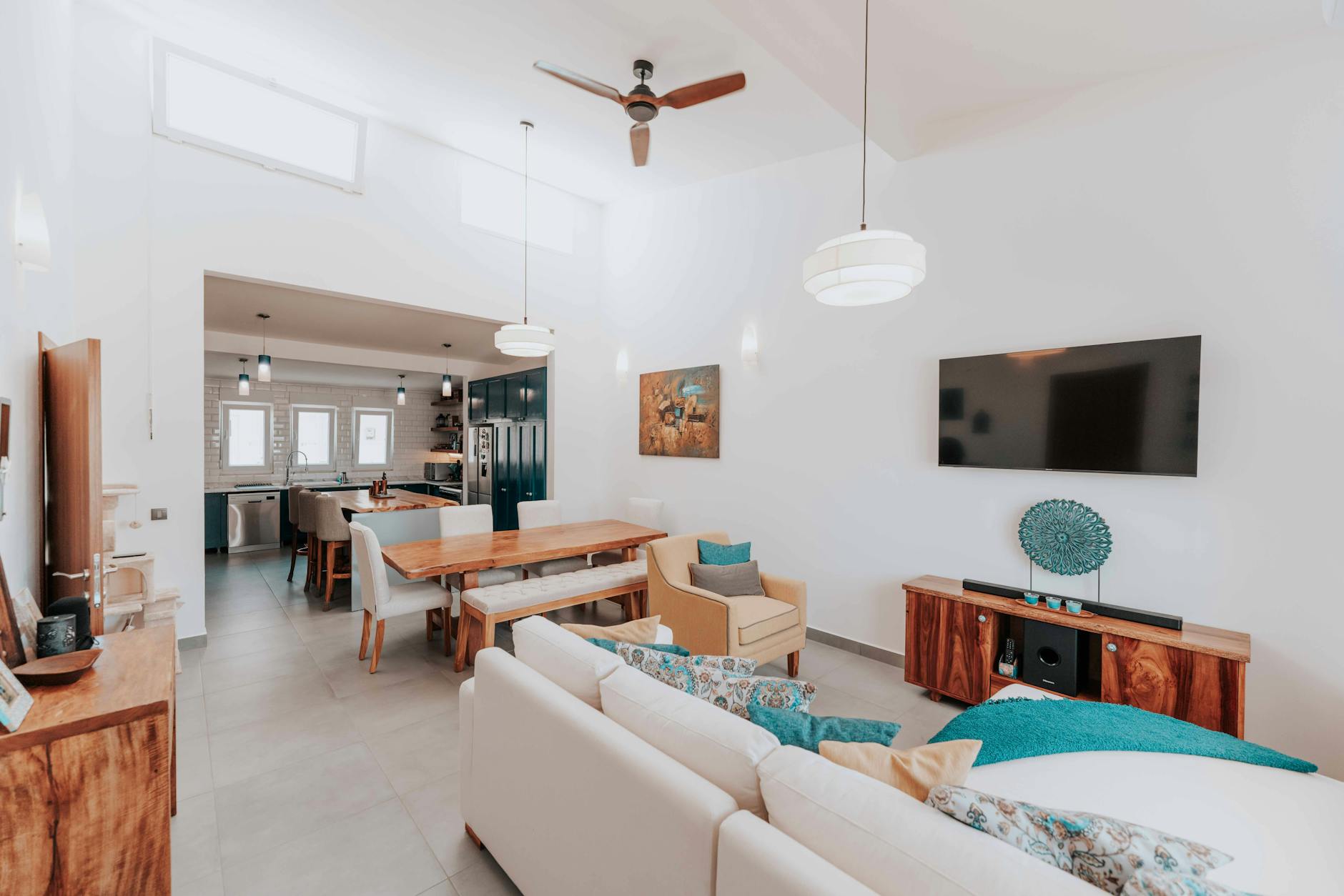
In modern living, open-concept spaces are commonplace, making it essential to create specific zones for different activities. This is where furniture layout becomes particularly critical. Use rugs to delineate areas—like a seating zone or dining space—effectively guiding guests through different “rooms” within a larger area. For instance, in an open living-dining area, place a plush area rug under the dining table to visually separate it from the adjacent seating area.
Another effective method to define zones is by strategically employing furniture. A bookshelf can act as a room divider, separating a home office from the living room while providing storage and aesthetic appeal. Alternatively, a console table can serve as a transitional piece between the two spaces, allowing for decorative elements that enhance the overall design. By thoughtfully arranging furniture to create zones, you establish a more organized layout that enhances both functionality and style.
“The layout of your furniture can control how the space feels—too much clutter can make it feel small, while an open layout gives a sense of freedom and flow.” – Interior Design Expert
Incorporating Personal Style into Layouts
While functionality is paramount, personal style should not be overlooked. Infusing your unique aesthetic into furniture layouts can help you create a space that feels truly yours. Start by identifying your style—be it minimalist, bohemian, rustic, or contemporary—and select furniture that reflects that vision. For example, if you favor a cozy, rustic vibe, consider incorporating reclaimed wood furniture, soft textiles, and warm color palettes.
Accessories play a crucial role in personalizing your space, too. Use decorative pillows, artwork, and plants to add color and texture to your layout. These elements can not only soften hard edges but also provide focal points that draw the eye and encourage conversation. When it comes to furniture arrangement, think about how each piece interacts with your chosen accessories, ensuring that your layout tells a coherent story that resonates with your personal style.
Maximizing Storage Solutions with Smart Layouts
Incorporating storage solutions into your furniture layout is crucial, particularly in smaller spaces where every square foot counts. There are numerous strategies to blend functionality with style while maintaining an organized environment. For example, select furniture with built-in storage, such as ottomans with hidden compartments or coffee tables with drawers. These pieces serve dual purposes, allowing you to keep essential items within reach while minimizing clutter.
Vertical space is another often-overlooked resource for enhancing storage and style. Wall-mounted shelves, floating cabinets, or tall bookcases can draw the eye upward, creating an illusion of height while offering ample storage. When considering furniture placement, think about how these vertical solutions can be integrated into your layout without overwhelming the space. Additionally, use decorative boxes and baskets on open shelves to keep your items organized while contributing to the overall aesthetic.
Ultimately, successful furniture layouts are those that harmoniously blend style with functionality. By understanding the principles of arrangement and incorporating personal touches, you can create spaces that are not only visually appealing but also practical for everyday use.