
In today’s fast-paced world, living spaces that exude tranquility and simplicity have become increasingly desirable. Minimalist interior design—a philosophy rooted in the idea that “less is more”—provides a perfect solution for those seeking to create calming environments. By stripping away excess and focusing on functionality, aesthetics, and serenity, one can transform their living space into a peaceful retreat. Below, we explore the principles and practical steps to create a calming minimalist interior that reflects harmony and balance.
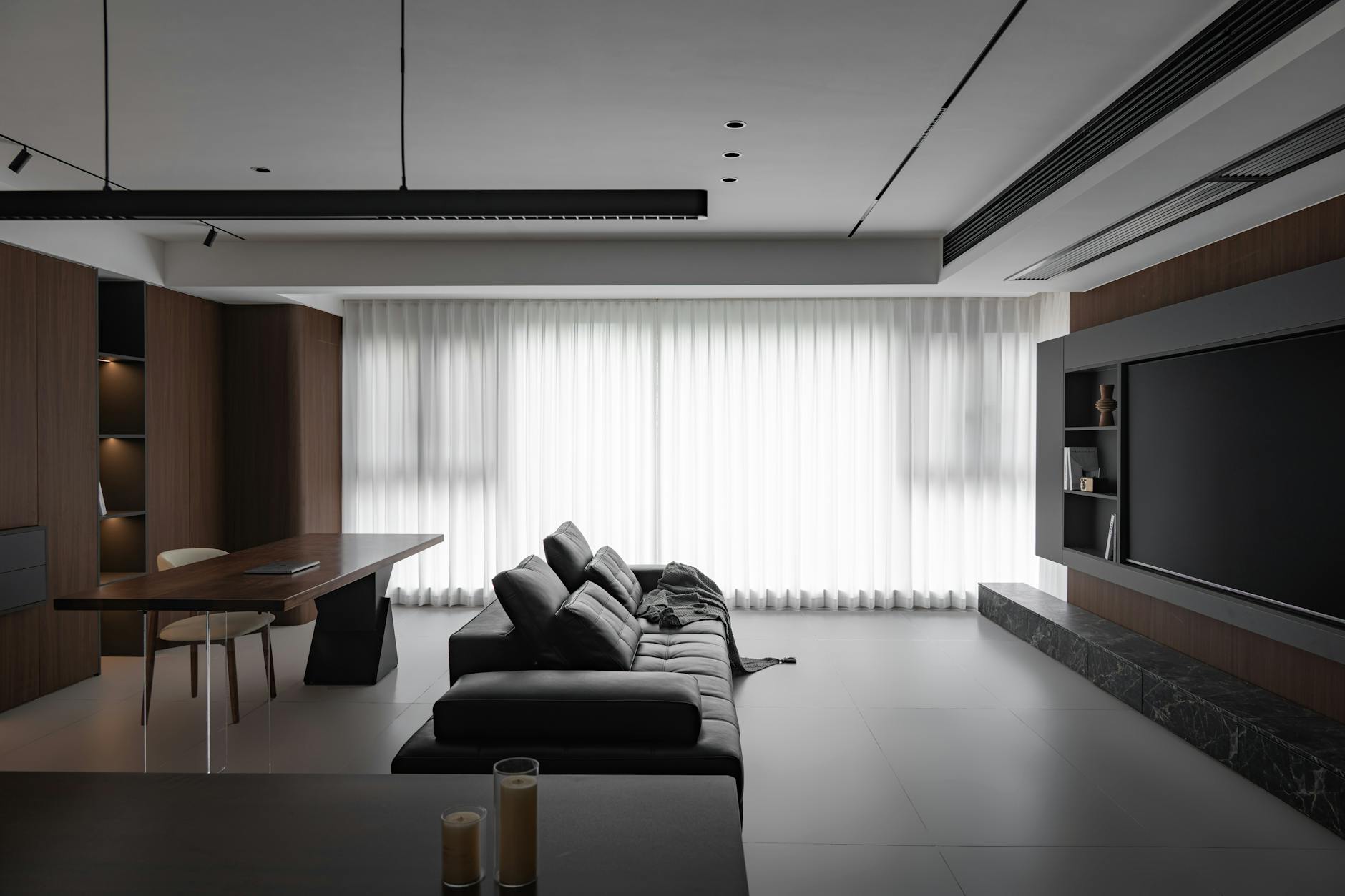
Understanding Minimalism in Design
At its core, minimalism in interior design emphasizes simplicity, clean lines, and the effective use of space. This movement champions the idea that a clutter-free environment promotes a clearer mind. To embrace this style, one must first understand the fundamental principles that guide minimalist design:
- Functionality: Every piece of furniture and decor should serve a purpose, whether it’s practical or aesthetic.
- Neutral Color Palette: Soft, muted colors create a soothing atmosphere, while brighter tones are used sparingly to maintain calm.
- Quality Over Quantity: Invest in fewer, high-quality items rather than filling your space with many lesser-quality pieces.
By incorporating these principles into your design approach, you can create a sanctuary in your home that fosters relaxation and mindfulness. Remember, minimalism does not mean sacrificing personal style; rather, it invites you to express your personality with a curated selection of objects that resonate with you.
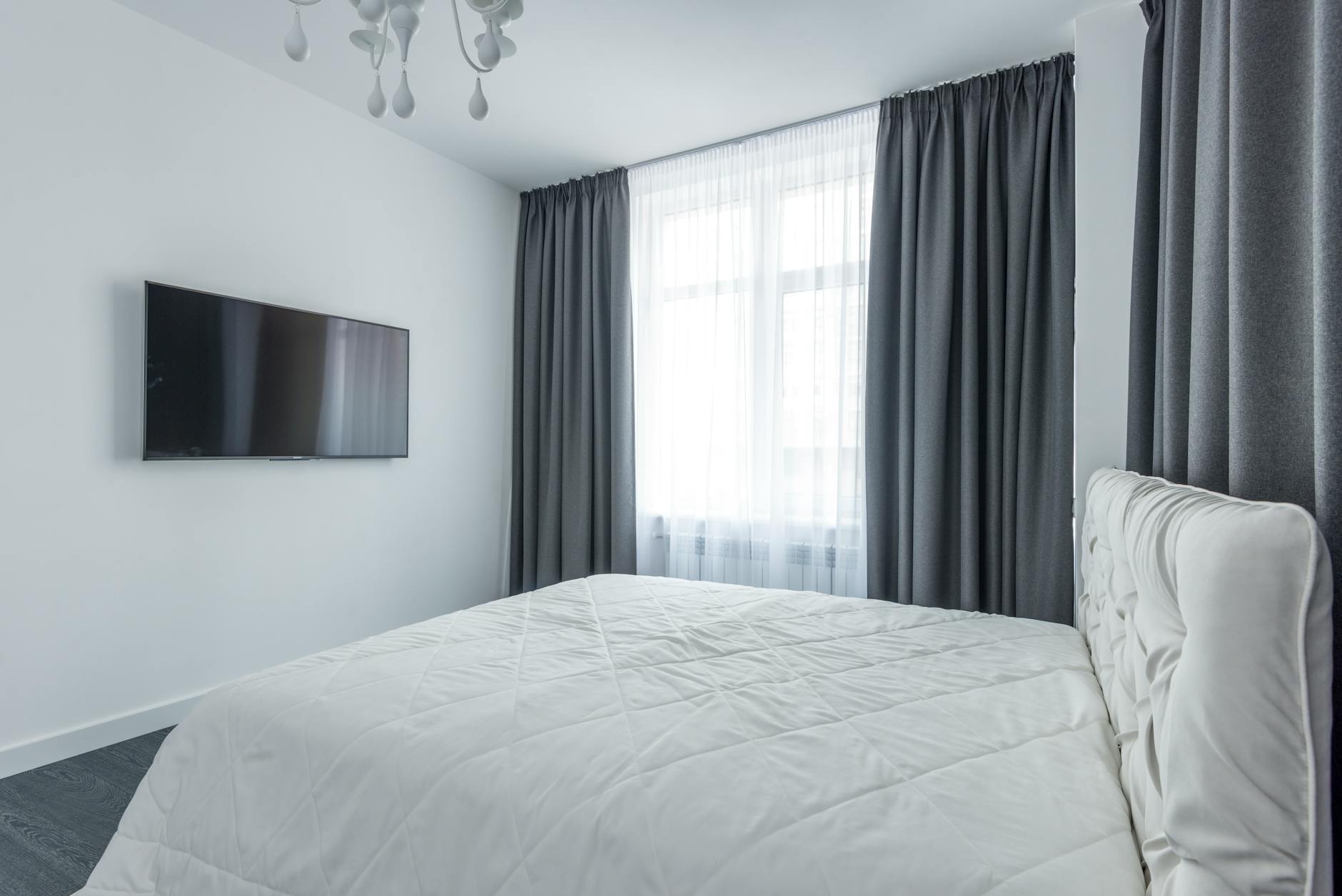
Decluttering and Organizing Your Space
The first step toward achieving a calm and minimalist interior is decluttering. Begin by assessing each room in your home. Go through your belongings and ask yourself: Does this item serve a purpose? Does it bring me joy? If the answer is no, it’s time to let it go. Donate or sell items that no longer serve your needs, and consider implementing the one-in-one-out rule for future purchases to maintain a clutter-free environment.
Once you have decluttered, focus on organization. Utilize storage solutions that complement your minimalist aesthetic. Built-in shelves, under-bed storage, and multifunctional furniture—such as ottomans that open for storage—are excellent additions to a minimalist home. Every item should have a designated spot, making it easier to maintain your newly organized space.
When organizing, aim to create zones that reflect the function of each space. For example, in your home office, keep only essential tools and materials on your desk, while storing anything else in drawers or cabinets. This not only reduces visual clutter but also enhances productivity.
Choosing the Right Furniture and Decor
Minimalism is characterized by a conscious selection of furniture and decor that enhance rather than overwhelm. Start by choosing pieces with clean lines and simple forms. Look for furniture that embodies functionality, such as a sleek dining table with matching chairs, or a minimalist sofa with a geometric shape. Natural materials like wood, stone, and metal can add warmth and texture while still adhering to minimalist principles.
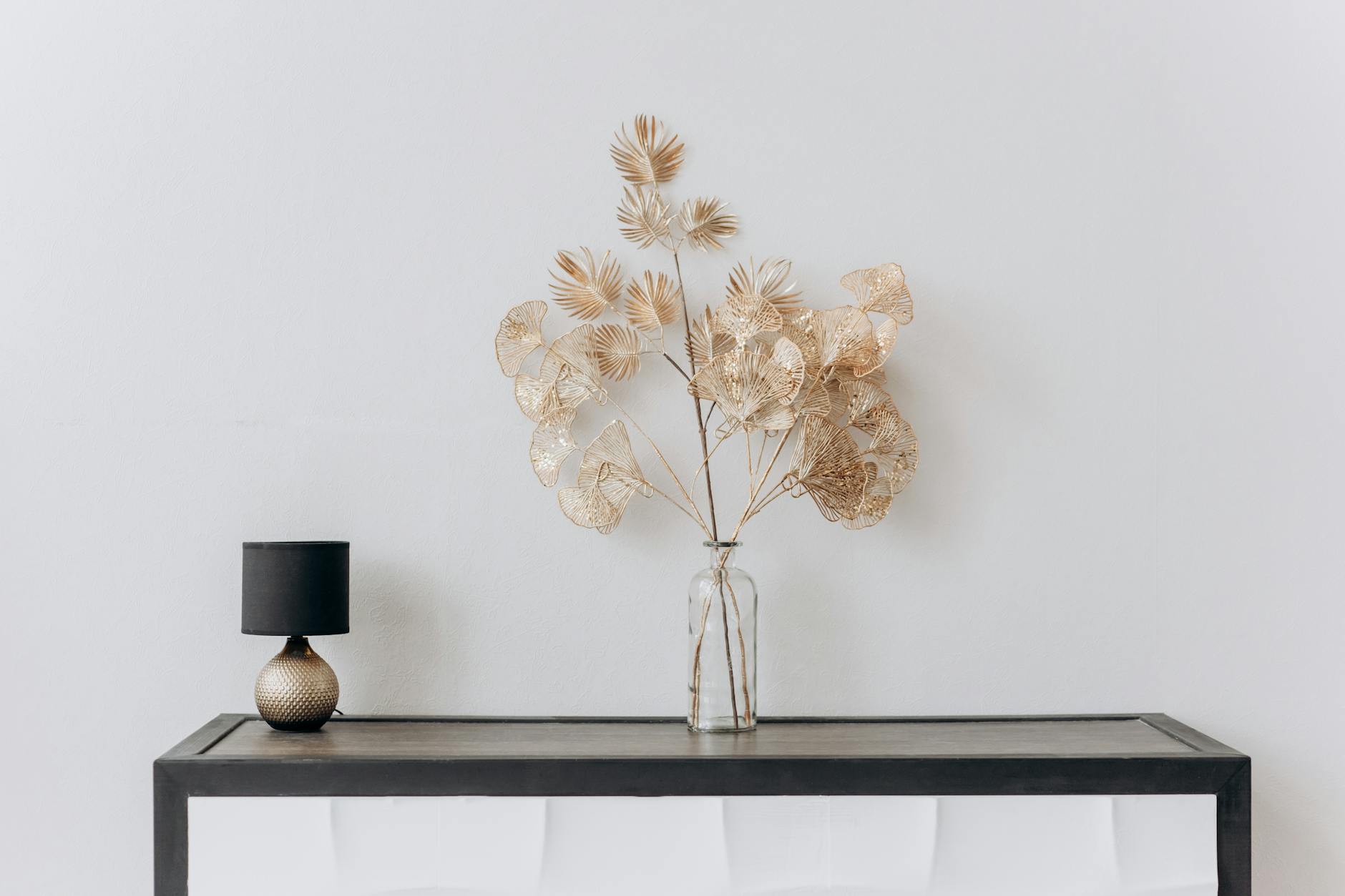
When it comes to decor, opt for fewer but more impactful items. A large piece of art can serve as a stunning focal point, while a few carefully chosen accessories—like a vase with a single flower or a sculptural object—can add character without cluttering your space. Remember, the goal is to create a balanced environment that feels intentional and serene.
Employing Color and Lighting for Ambiance
The choice of colors and lighting plays a critical role in establishing a calming atmosphere. A neutral color palette—think whites, grays, beiges, and soft pastels—can evoke a sense of peace and relaxation. To keep the environment from feeling stark, incorporate layers of textures through textiles, woven rugs, and natural elements like plants. A well-placed indoor plant can introduce life and vibrancy while maintaining the minimalist aesthetic.
Lighting is equally essential in creating ambiance. Opt for soft, diffuse lighting with the use of fixtures that complement your minimalist design. Consider installing dimmers to control the intensity of light according to the time of day and the mood you want to create. For natural light, utilize sheer window coverings that allow daylight to filter in gently, creating a warm and inviting atmosphere.
Incorporating candles or warm-toned LED lights can also enhance tranquility during evening hours. A well-lit space not only improves functionality but contributes significantly to a calming environment.
Integrating Nature into Your Minimalist Space
Bringing elements of nature into your home is a fundamental aspect of creating a calm and minimalist interior. Nature has an innate ability to promote feelings of relaxation and peace—qualities that are essential in minimalist design. Start by incorporating indoor plants, which are not only visually appealing but also improve air quality. Choose low-maintenance varieties such as succulents or snake plants for ease of care.
Additionally, consider using natural materials in your decor and furnishings. Wood, stone, and organic textiles create a warm and inviting atmosphere while keeping the focus on simplicity. Natural light also plays a crucial role in connecting interior spaces with the outside world. Prioritize large windows or glass doors that allow for seamless transitions between indoor and outdoor living. This connection to nature not only enhances the minimalist aesthetic but promotes overall well-being.
Finally, adding natural elements such as water features or rocks can create a calming auditory experience. The sound of flowing water has been proven to reduce stress, making it an excellent addition to a minimalist interior.
Creating Personal Touches Without Clutter
Even in a minimalist space, it’s possible to showcase personal touches that reflect your identity and style. Curate a small gallery wall featuring photographs or artwork that hold significance to you. Choose frames that match your minimalist aesthetic, ensuring they enhance rather than distract from the overall look.
Another way to introduce personal elements is through the use of meaningful decor items. A unique sculpture from your travels or a handmade piece from a local artisan can serve as a stunning focal point, adding character without overwhelming the space. Remember that quality is paramount; select items that resonate with you and evoke positive emotions.
By maintaining a focus on simplicity while still incorporating personal touches, you can create a home that feels both tranquil and uniquely yours. This balance is key in achieving the true essence of minimalist design—where every piece tells a story and serves a purpose.
As you embark on your journey toward a calm and minimalist interior, remember that the process is a personal one. Take your time to reflect on your space and your desires, creating an environment that not only looks beautiful but also fosters a sense of peace and well-being.