
Bringing natural light into your home is more than just a design choice; it profoundly affects your well-being and the overall atmosphere of your living space. Homes imbued with natural light not only feel more inviting but also promote a sense of calm and productivity. Whether you are a seasoned decorator or just beginning your journey into home design, understanding how to maximize natural light in your interiors can transform your space entirely.
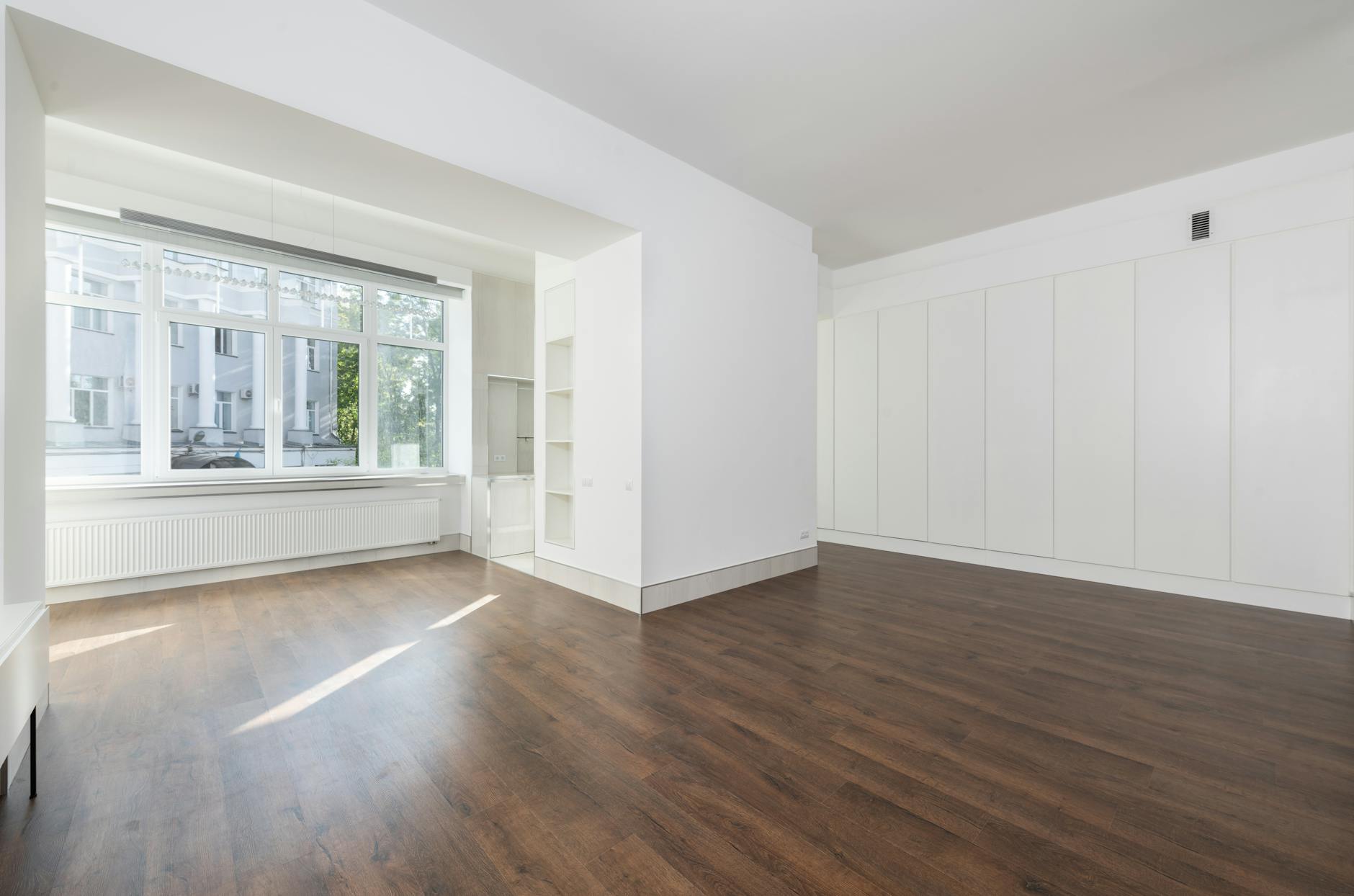
1. The Power of Windows: Designing with Transparency
Windows are the gateways to natural light, so their placement and size can dramatically change how light interacts with your space. Larger windows or floor-to-ceiling glass doors can create the illusion of a more expansive area and flood a room with sunshine. If architectural changes are possible, consider adding a bay window or a skylight to boost light levels significantly.
Moreover, the window frame itself can influence light quality. Opt for minimalistic frames to maximize the view and light influx. Installing operable windows not only allows light but also enables ventilation, promoting a healthier indoor environment. It’s essential to include window treatments that enhance rather than obstruct light; sheer curtains or blinds that can be drawn wide open during the day offer a beautiful balance of privacy and light.
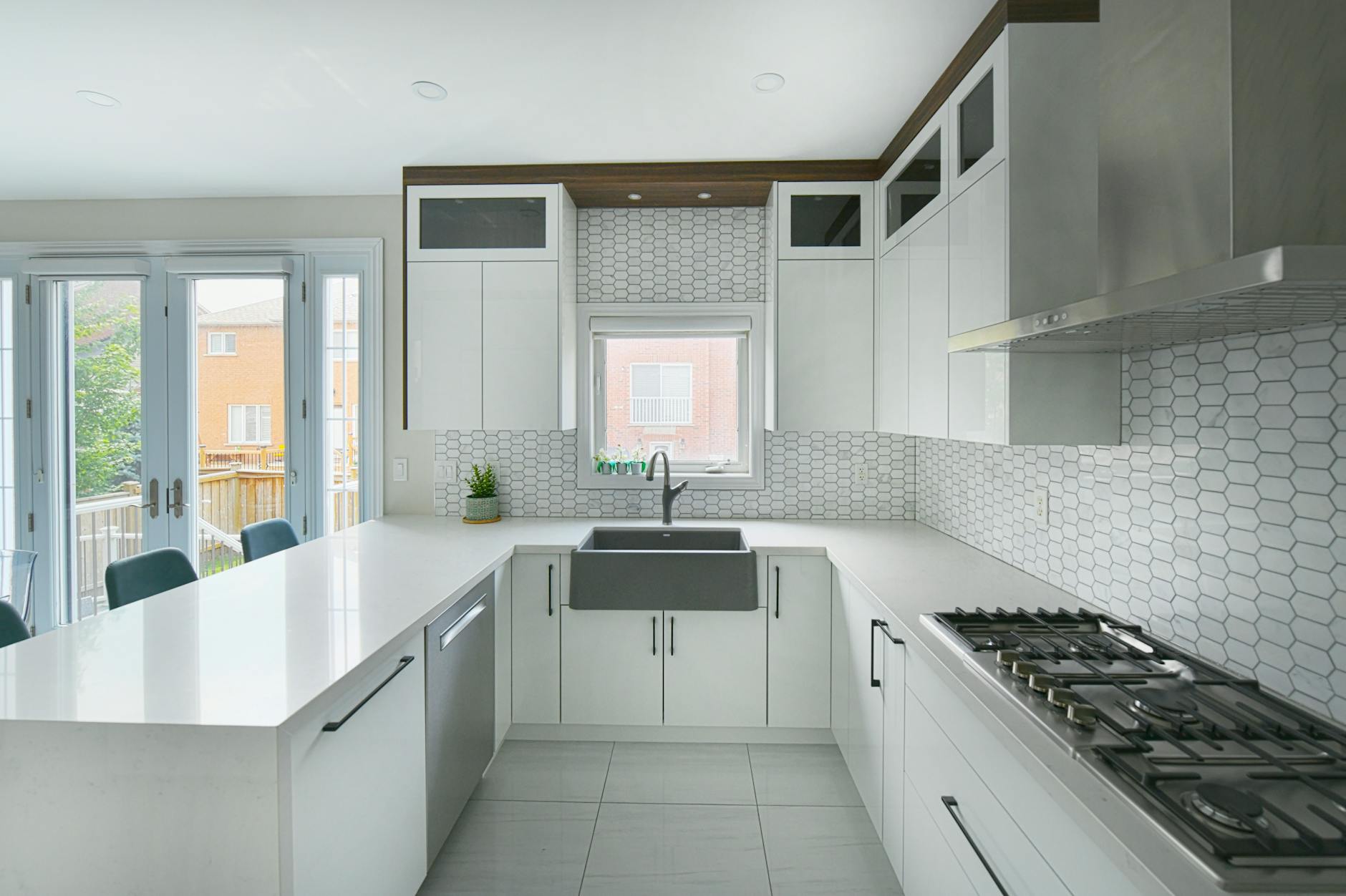
2. Color Palette Choices: Reflecting Light Effectively
The colors you choose for your interiors can greatly affect how light is perceived in a room. Light colors generally reflect more light, while darker hues absorb it. This means that painting your walls in soft whites, pastel tones, or light grays can help amplify the effect of natural light. Additionally, using a high gloss or satin finish can add an extra layer of brightness as it reflects more light than matte finishes.
Incorporating mirrors is another effective technique to enhance light. Positioning mirrors opposite windows or light sources will bounce the natural light throughout the room, creating a sense of depth and movement. Decorative mirrors can act as focal points while also serving a functional purpose, and they can elevate the aesthetics of any space.
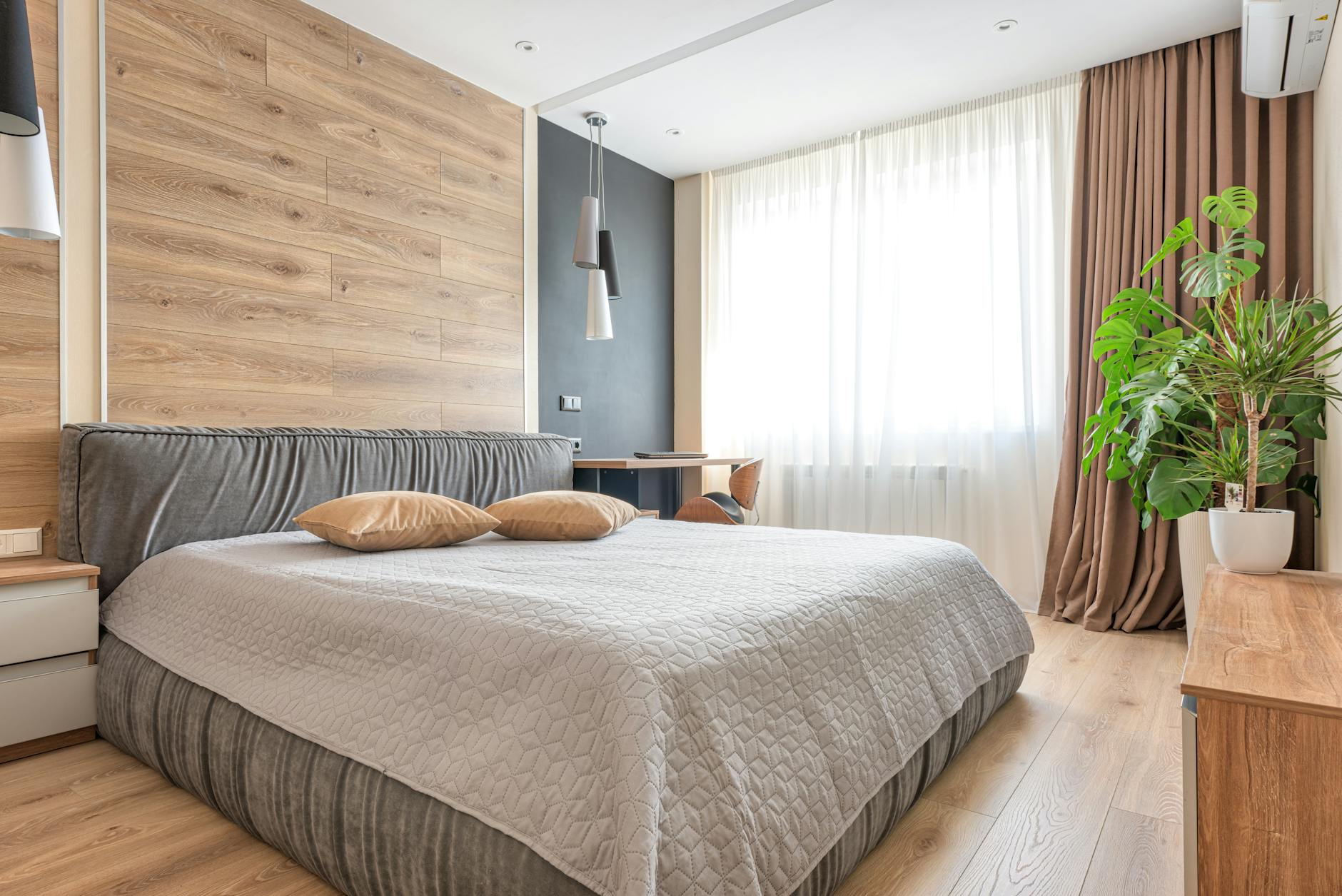
3. Integrating Nature: Plant Life and Natural Elements
Bringing nature indoors not only enhances the aesthetic appeal but also complements the flow of natural light. Houseplants can thrive in sunlit spaces, and their vibrant greens add warmth and texture to any room. Studies show that exposure to indoor plants can reduce stress and improve mood, making them an excellent addition to your light-filled home.
To further connect the interiors with the outdoors, consider using natural materials such as wooden furniture, stone accents, or woven textiles. These elements create a harmonious atmosphere, allowing the natural light to illuminate your space in a warm and inviting manner. Additionally, placing plants strategically near windows can enhance the light experience—creating a delightful interplay between natural light, greenery, and the overall decor.
4. Strategic Furniture Arrangement: Promoting Flow and Light
The way you arrange your furniture can significantly impact how light travels within a room. Avoid heavy furniture pieces that can block light from windows and create a sense of confinement. Instead, opt for lightweight or transparent furniture, such as glass coffee tables and acrylic chairs, which allow light to pass through and create an airy atmosphere.
Furthermore, consider the layout of your room. Open-concept designs lend themselves well to maximizing light flow between spaces, while multi-functional furniture allows flexibility in your arrangement. In smaller areas, consider using furniture that can be easily moved to create a more open and light-friendly environment. Sometimes, all it takes is a simple rearrangement to significantly enhance the light quality in your home.
“Light is the most essential element of design. Its influence on mood, space, and function cannot be overstated.”
Incorporating natural light into your interiors involves a thoughtful approach to design choices, from architectural elements to decorative finishes. Ultimately, a light-filled space fosters a sense of well-being, energizes your day, and offers a beautiful backdrop for the activities of daily life. By implementing these ideas, you can harness the brilliance of natural light, creating a more vibrant and inviting atmosphere in your home.
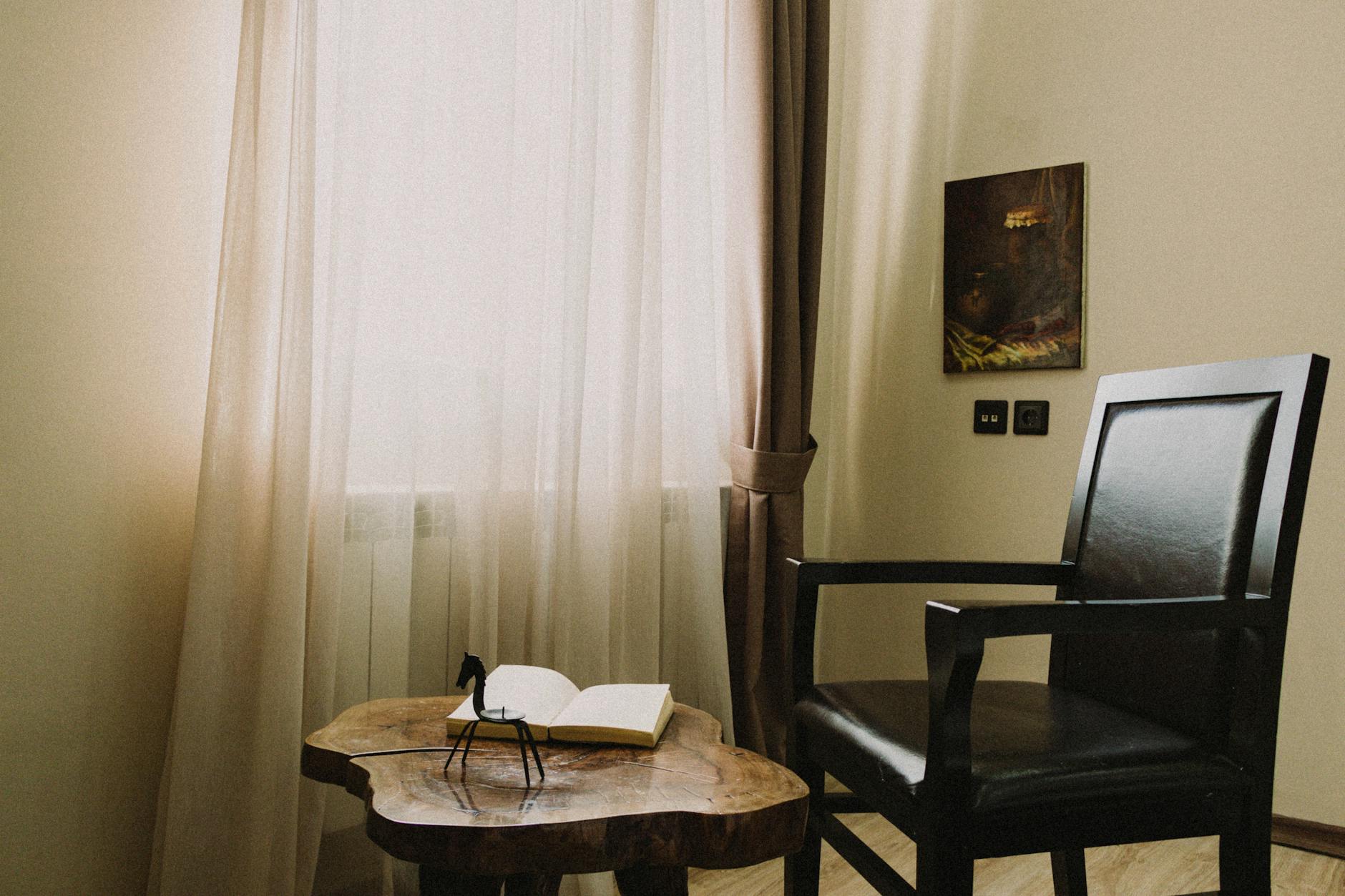
Moreover, consider the use of lighting fixtures that complement natural light rather than compete with it. Opt for soft, warm lighting in the evening that mimics the glow of sunset, thereby enhancing the transition from daylight to nighttime. This approach helps maintain a tranquil ambiance throughout the day, making your home a sanctuary of comfort and peace.
In conclusion, the incorporation of natural light into your interiors speaks volumes about your design sensibilities. It reflects a commitment to creating spaces that are not only beautiful but also nurturing. By following these creative strategies, you can ensure that your home remains filled with light, life, and a touch of nature’s beauty.