
Creating a stunning interior goes beyond selecting the right colors and furniture; it often hinges on the subtle yet impactful element of layered textures. Layered textures in interior design serve not just to add visual appeal but also to create depth, warmth, and a unique character to any space. By harmonizing different materials and finishes, designers can transform a plain room into a captivating environment that engages the senses. In this article, we will explore the art of layered textures, how to incorporate them into your home, and the transformative power they hold.
The Importance of Texture in Interior Design
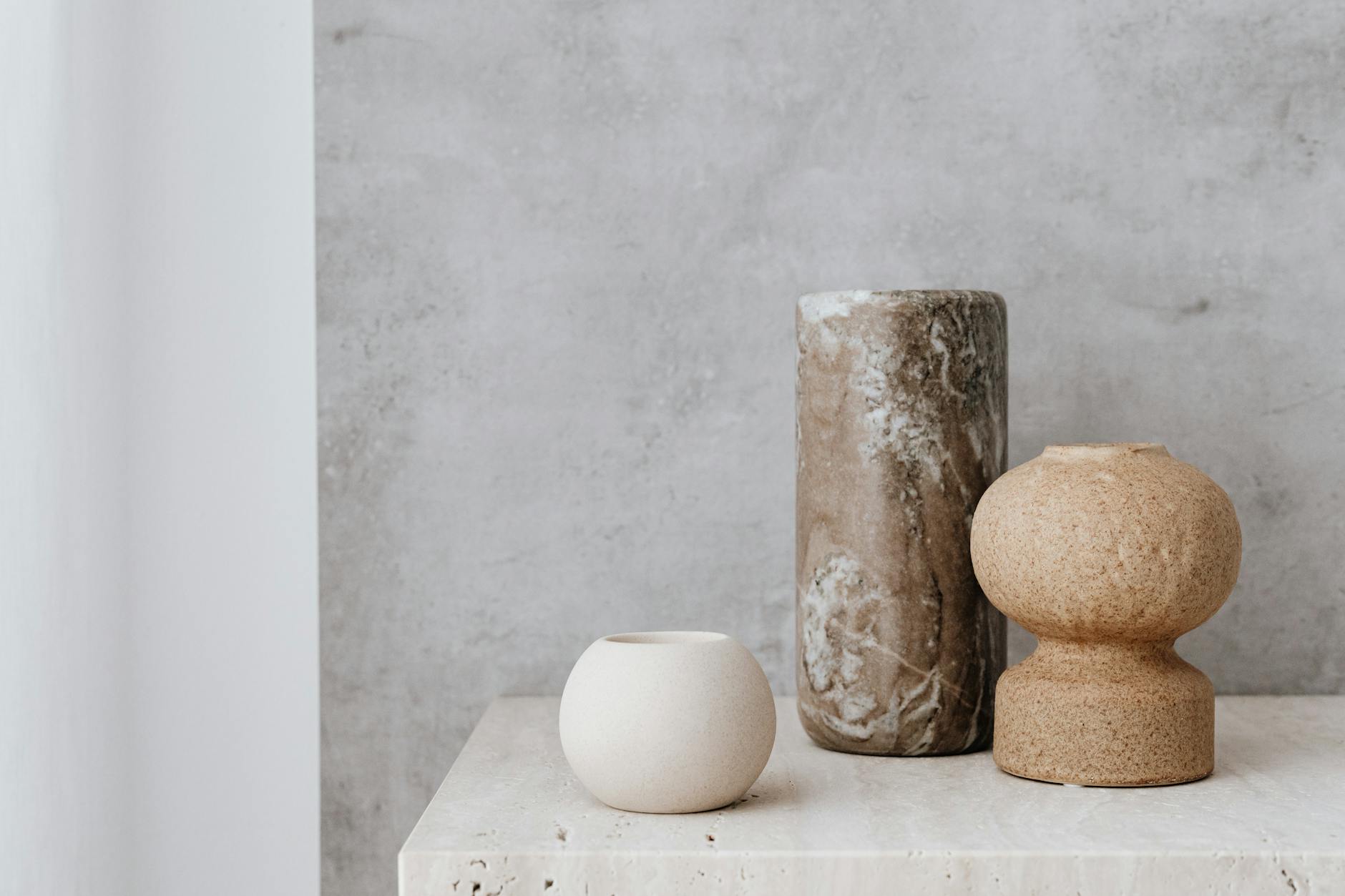
Textures are integral to the tactile experience of a room. They can influence emotions and create atmospheres that resonate with comfort or sophistication, depending on how they are applied. When you consider the various surfaces in your home—from walls to textiles, flooring to furniture—each element contributes to the overall texture of the space. A well-thought-out texture palette can evoke feelings of warmth and intimacy, ideal for living areas, while a cooler, sleeker aesthetic might suit a modern kitchen or office environment.
Furthermore, incorporating texture can break the monotony that often accompanies flat surfaces and solid colors. A mix of textures encourages the eye to explore and engage with the space. For example, pairing a plush velvet sofa with a wicker chair and a chunky knit throw creates visual intrigue and a sense of layered comfort. This richness is especially important in minimalist design, where the interplay of materials can elevate simplicity into a statement.
How to Layer Textures Effectively
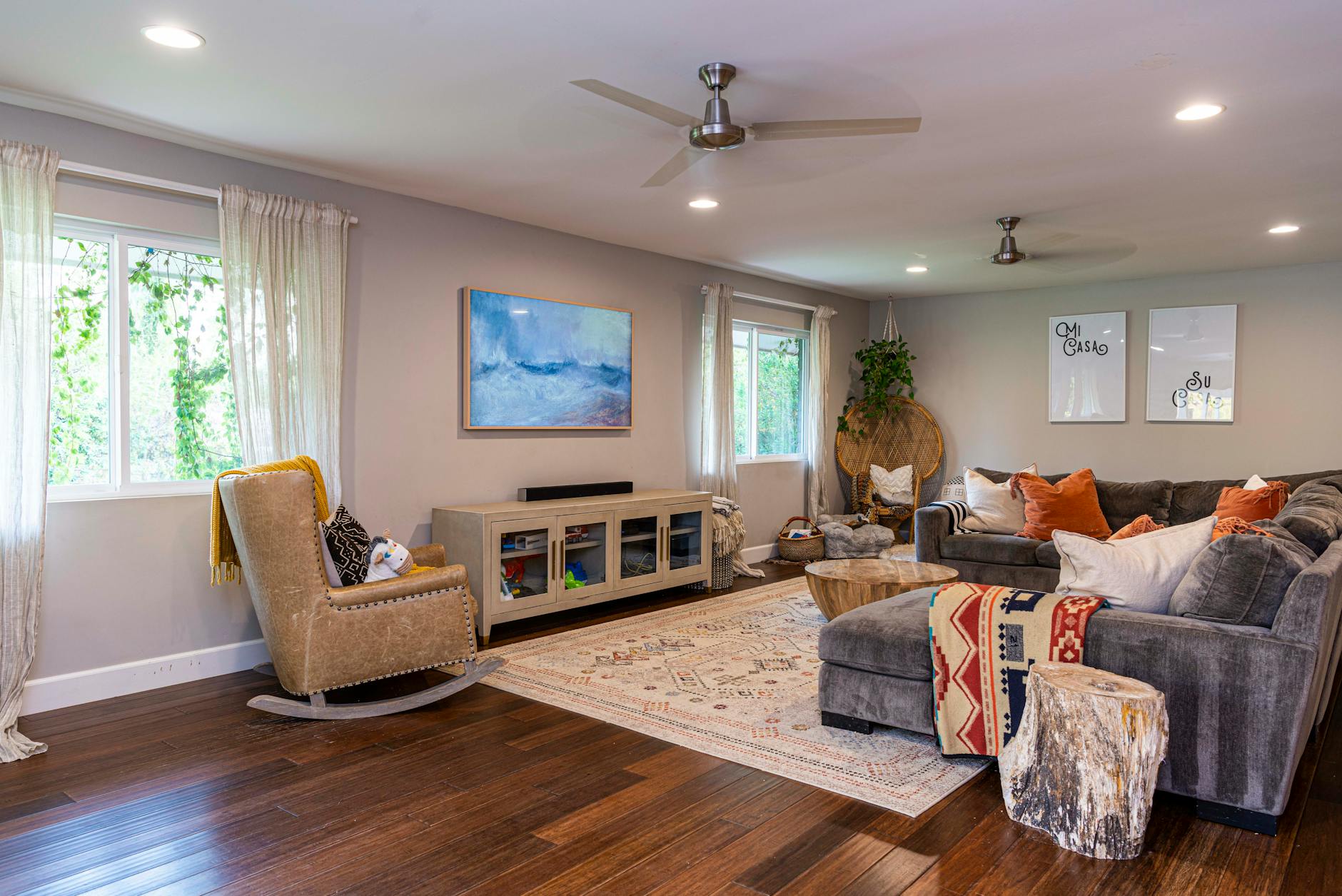
Layering textures effectively requires a thoughtful approach. Start by establishing a primary texture that will dominate the space. This could be the soft fabric of a large area rug, the smooth finish of a coffee table, or the rustic quality of exposed beams in a ceiling. Once you have your foundation, you can build upon it with complementary textures that enhance and contrast with the primary choice.
Consider visual and tactile diversity as well. For instance, balance rough textures like reclaimed wood with smoother elements such as glass or polished metals. Textiles add another layer to this spectrum; mix cotton, linen, and wool for an inviting feel. Additionally, color can play a vital role—neutral tones provide a versatile backdrop for bolder accents, allowing layered textures to shine without overwhelming the design.
“Textures are the silent storytellers of your interior. They invite you to touch and experience the space in a more profound way.” – Interior Designer, Jane Doe
Practical Applications of Layered Textures
Implementing layered textures in your home can be a fun and rewarding endeavor. Here are a few practical tips to consider:
- Start with a Neutral Base: A neutral base allows for versatility and makes it easier to introduce various textures without clashing. For instance, a light gray or beige wall offers a perfect backdrop for pops of color and different materials.
- Mix Fabrics Thoughtfully: When layering textiles, consider the harmony of fabric types. Combining sleek polyester with soft cotton can create a visually stimulating contrast. Don’t shy away from introducing patterns, as they add another layer of interest.
- Experiment with Scale: Scale matters when layering textures. A large, chunky knit blanket on a sleek sofa can create a focal point, while smaller decorative pillows can complement this without taking away from the statement piece.
- Incorporate Natural Elements: Natural textures like wood, stone, and plants can add an organic touch to your interior. They evoke a sense of calm and connection to the outdoors, making spaces feel more alive.
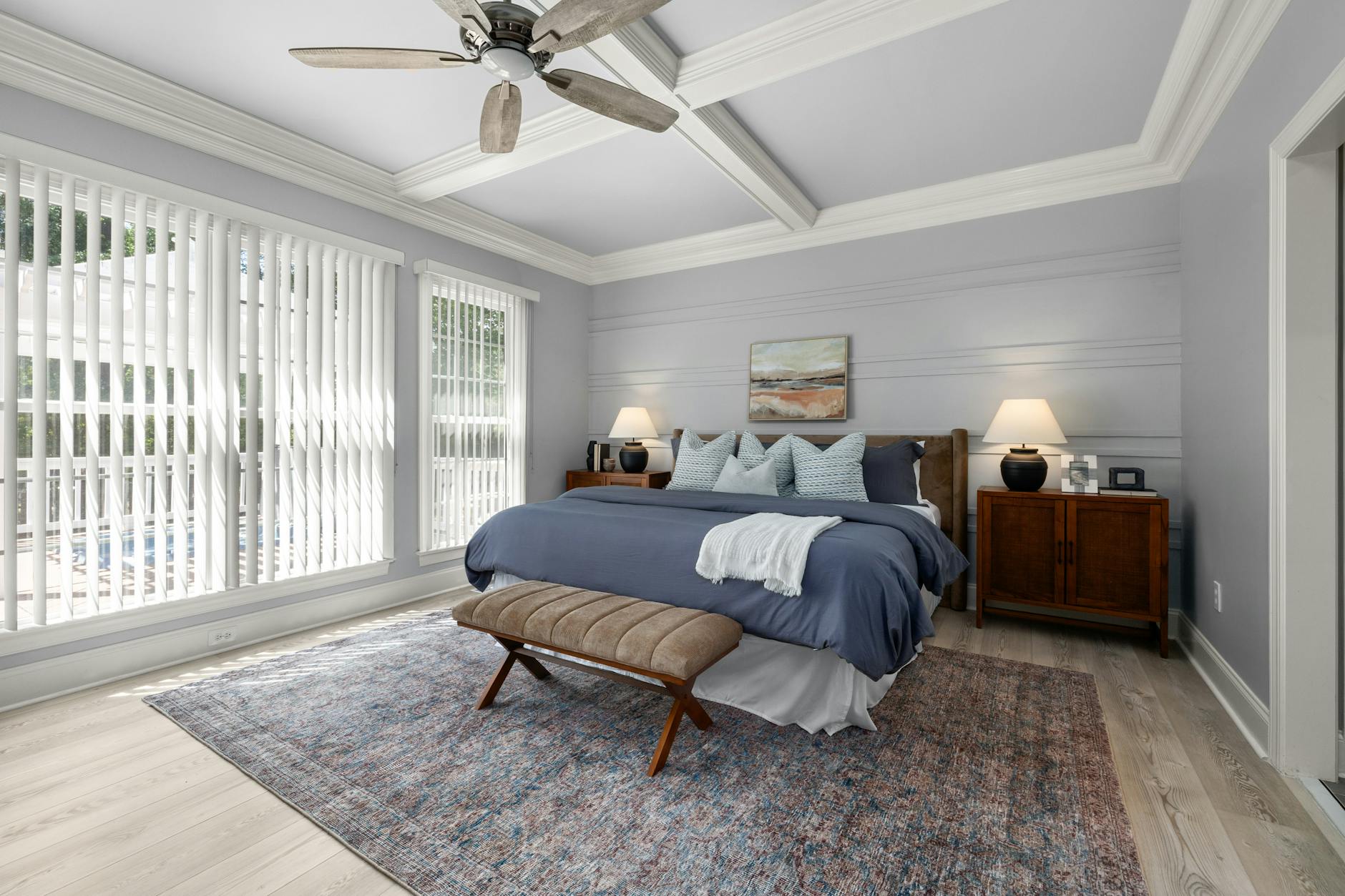
For instance, in a bedroom, consider using a wooden bed frame with a soft upholstered headboard. Layer this with an array of pillows featuring different fabrics and patterns, topped off with a cozy, knitted throw. Add a jute rug underfoot to introduce a contrasting texture, and place a few indoor plants around to breathe life into the space.
Inspiration from Different Design Styles
Different interior design styles embrace layered textures in unique ways. For example, the bohemian style thrives on a mix of colors and patterns, layering textiles aggressively to create an eclectic but cohesive look. In contrast, modern minimalist design opts for fewer elements but uses textures strategically to maintain interest. Think of a monochromatic room that plays with the sheen of a leather sofa, the softness of a wool rug, and the coolness of a stone fireplace.
Similarly, Scandinavian design focuses on simplicity while still incorporating various textures to achieve warmth and comfort. Here, the contrast between wood and metal, along with textiles in muted tones, creates a serene ambiance that feels welcoming. By understanding how different styles utilize texture, you can draw inspiration for your unique space.
As you embark on your textured design journey, remember that it is about personal expression. Your layered textures should reflect your style and comfort, making your interior a true extension of who you are.
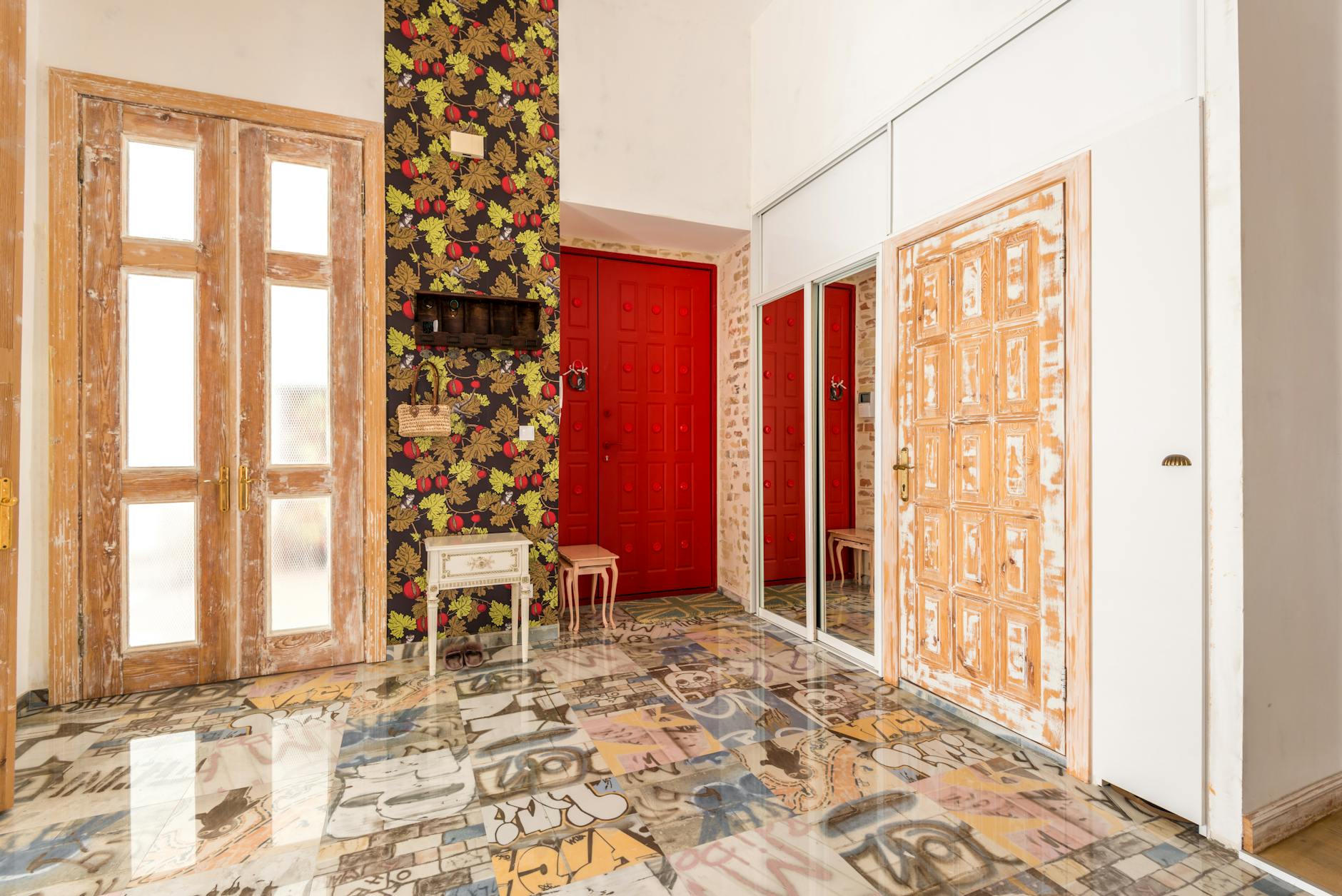
In conclusion, the art of layering textures in interior design is an exploration of depth, warmth, and individuality. By thoughtfully combining various materials and finishes, you can create an environment that not only looks beautiful but also feels inviting and personal. So, go ahead and embrace the beauty of textures in your home—your space will thank you for it!