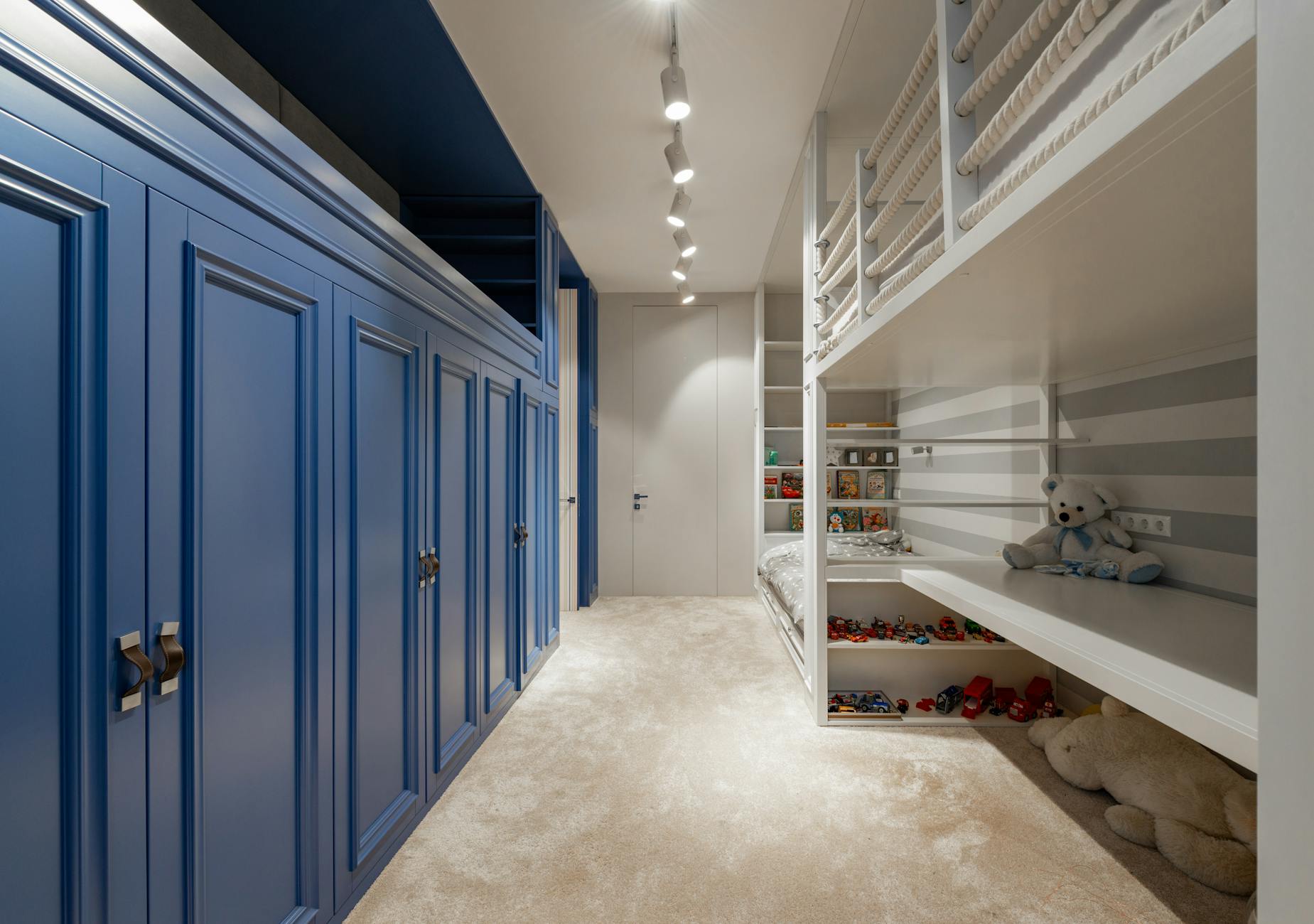
Keeping a home organized is a challenge many parents face, especially when it comes to managing the plethora of toys that seem to multiply overnight. Toy clutter can not only make living spaces feel chaotic, but it can also discourage children from playing and exploring their creativity. Fortunately, there are effective strategies for organizing toys that can lead to a more serene home environment while encouraging children to tidy up after themselves.
Understanding the Importance of Organization
Before diving into practical organizing tips, it’s crucial to understand why organization matters, particularly in a household filled with toys. An organized space fosters independence in children, offering them the opportunity to find what they need without assistance. Additionally, it reduces stress levels for parents, allowing for a tidier environment that promotes relaxation and focus. Key benefits include:
- Sparking Creativity: An organized space allows kids to play more freely, explore different toys, and engage in diverse activities without distraction.
- Encouraging Responsibility: Teaching children to clean up their toys instills a sense of responsibility and ownership over their belongings.
- Reducing Overwhelm: A clutter-free environment can prevent children from feeling overwhelmed, making playtime more enjoyable.
Strategies for Effective Toy Organization
Now that we understand the significance of organization, let’s explore some strategies that can help you effectively manage your toy collection:
1. Declutter Regularly
One of the most effective ways to combat toy clutter is through regular decluttering. Involve your children in this process to help them make choices about which toys they truly love or use. Here’s how to tackle decluttering:
- Set a Schedule: Establish a routine for decluttering, whether it be monthly or seasonally. Regular assessments will prevent the accumulation of toys.
- Donation Box: Provide a box designated for toys that are in good condition but no longer played with. Teach children about the importance of giving to those in need.
- Storage Solutions: Utilize storage bins, shelves, and baskets to separate toys into categories, such as puzzles, building blocks, and dolls.
2. Create Designated Zones
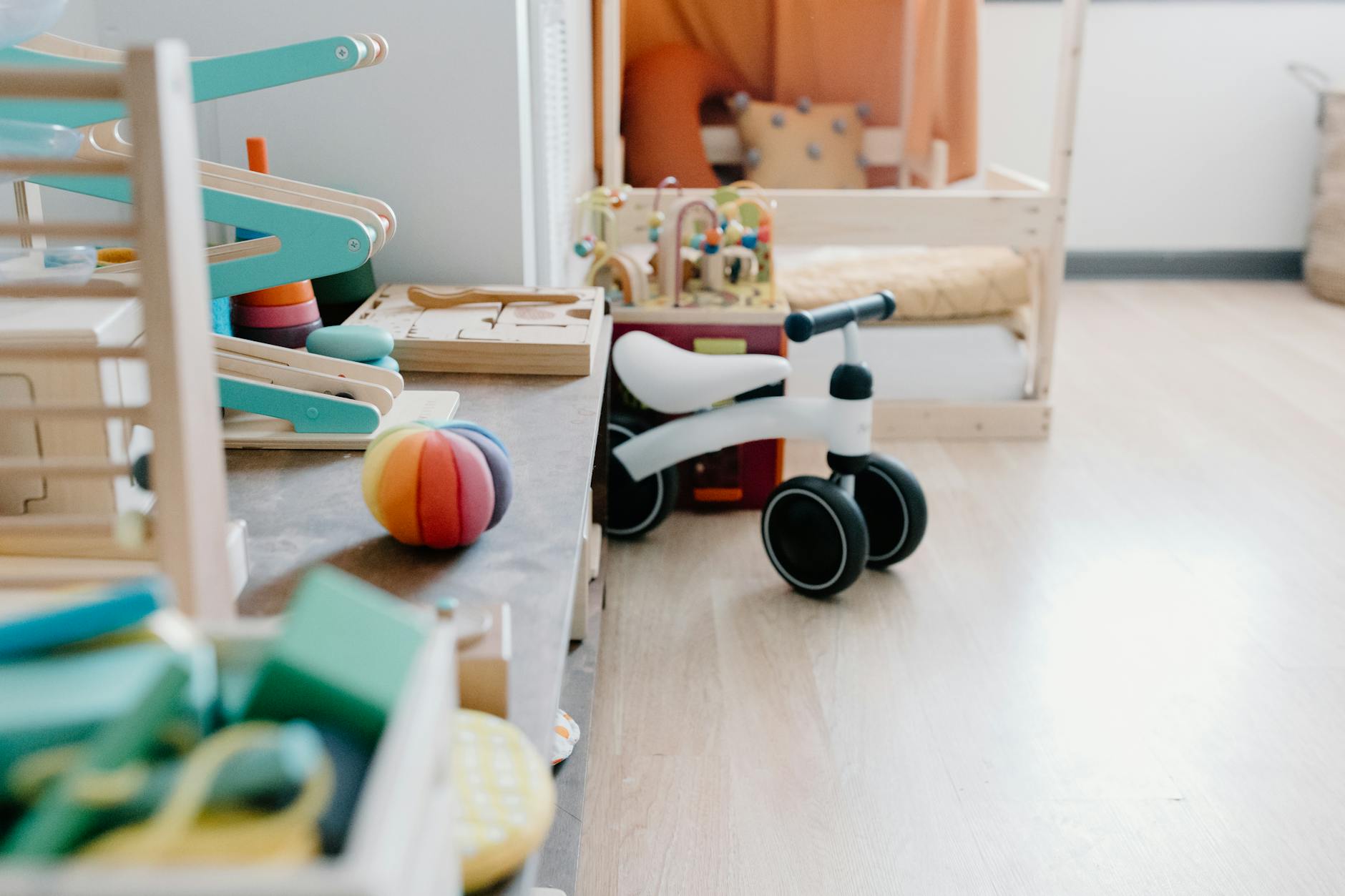
Designating specific areas for different types of toys helps in maintaining order. It creates a “home” for each toy, making it easier for children to understand where everything belongs. Here are a few ideas:
- Play Zones: Divide the play area into zones based on activity, such as a reading corner, an arts and crafts section, and a building zone. This encourages children to sort and put away toys in specific areas.
- Use Labels: Label storage bins and shelves clearly. Visual aids help children recognize where each toy category belongs, making clean-up a simple task.
- Portable Storage: Utilize wheeled carts or bins that can easily be moved around. This allows children to bring their playtime to any part of the house without creating chaos.
3. Implement “One In, One Out” Rule
To maintain an organized space, consider implementing the “one in, one out” rule. This approach emphasizes moderation and mindful consumption. Here’s how to implement it effectively:
- Set a Limit: Determine the maximum number of toys allowed in each category. For example, if a child can have five stuffed animals, they must donate one if they receive a new one.
- Encourage Thoughtful Purchases: Before buying a new toy, ask your child whether they are willing to part with an existing toy. This promotes critical thinking and gratitude.
- Celebrate the Change: When a child donates a toy, celebrate the act of giving. Acknowledging their contribution to helping others can motivate them to continue decluttering.
Maintaining the Organization
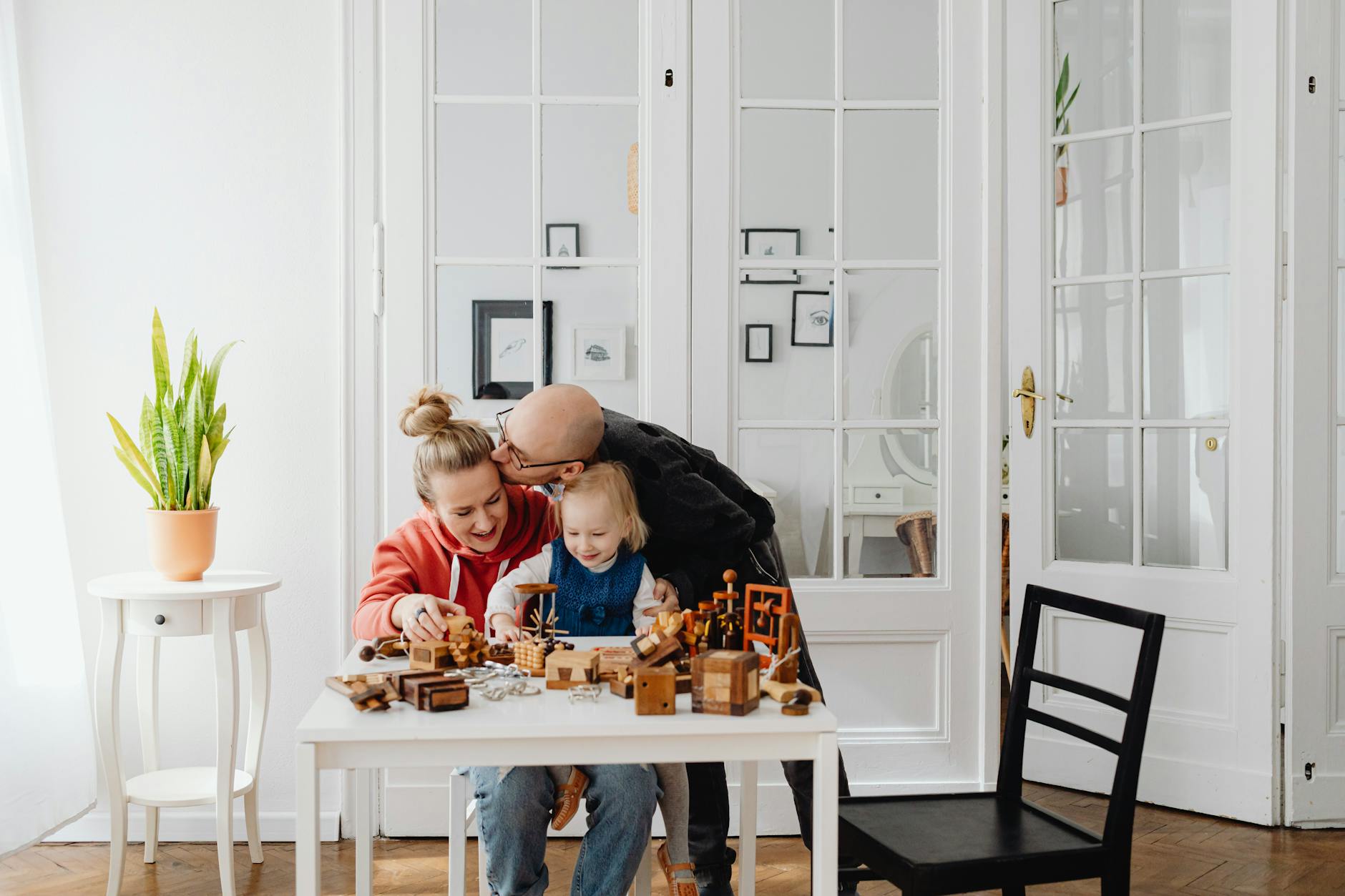
Once you have implemented these strategies for organizing toys, the next step is to maintain the order. Here are some tips to help keep your space tidy over time:
- Make Clean-Up Fun: Set a timer and turn clean-up time into a game. Children are more likely to tidy up if it feels like a fun challenge.
- Routine Check-Ins: Schedule regular “toy time” where you assess the toy situation as a family. This promotes accountability among all members and reinforces the organizational habits you’ve instilled.
- Adjust as Needed: As your children grow, their interests will change. Regularly review toy organization and storage solutions to accommodate their evolving preferences.
Incorporating Storage Solutions
Creative storage solutions can transform your approach to toy organization. Here are some innovative ideas to consider:
- Multi-Purpose Furniture: Look for furniture that doubles as storage, like ottomans with hidden compartments or benches with shelves for toys.
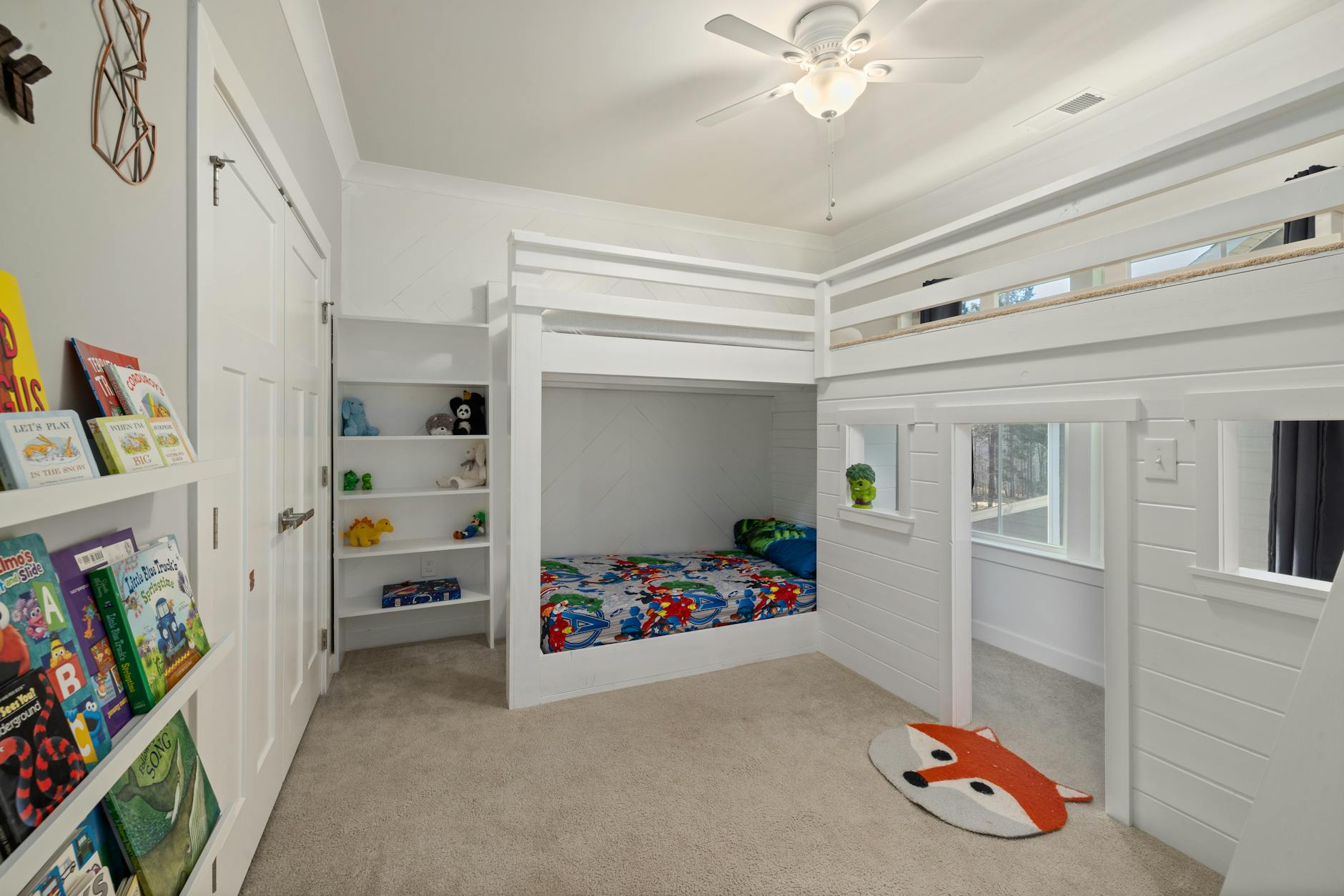
- Wall-Mounted Shelves: Utilize vertical storage by installing wall-mounted shelves. This not only frees up floor space but also allows you to display favorite toys artistically.
- Clear Bins: Choose transparent bins for easy identification of contents. When children can see their toys, they are less likely to forget about them.
Organizing toys without creating a mess is both an achievable and rewarding task. By fostering an understanding of why organization matters, implementing effective strategies, creating designated areas, and choosing the right storage solutions, you can cultivate a space that supports creativity and independence in your children. With a little effort and consistency, you’ll find maintaining an organized toy area to be a fulfilling endeavor that ultimately leads to a more harmonious home environment.