
Cleaning can often feel like a daunting task, especially for busy individuals juggling work, family, and social commitments. However, with a smart cleaning checklist tailored to your specific needs, maintaining an orderly and spotless environment becomes much more manageable. This article will guide you in crafting an effective cleaning checklist that not only enhances your cleaning routine but also ensures that no area is overlooked.

Understanding the Importance of a Tailored Cleaning Checklist
To develop an effective cleaning checklist, it’s essential to recognize the unique demands of your living space. Every home is different, and so are the cleaning challenges that come with them. A one-size-fits-all checklist might miss critical areas that need your attention, such as the children’s playroom filled with toys or that rarely-used guest bedroom collecting dust.
Moreover, a tailored checklist fosters a sense of accomplishment. When you create a personalized plan, you can efficiently identify tasks that demand immediate attention and prioritize them. Additionally, breaking down larger tasks into smaller, manageable pieces helps alleviate stress. Think of your cleaning checklist as an anchor in the chaotic ocean of daily responsibilities, guiding you through the process with ease.
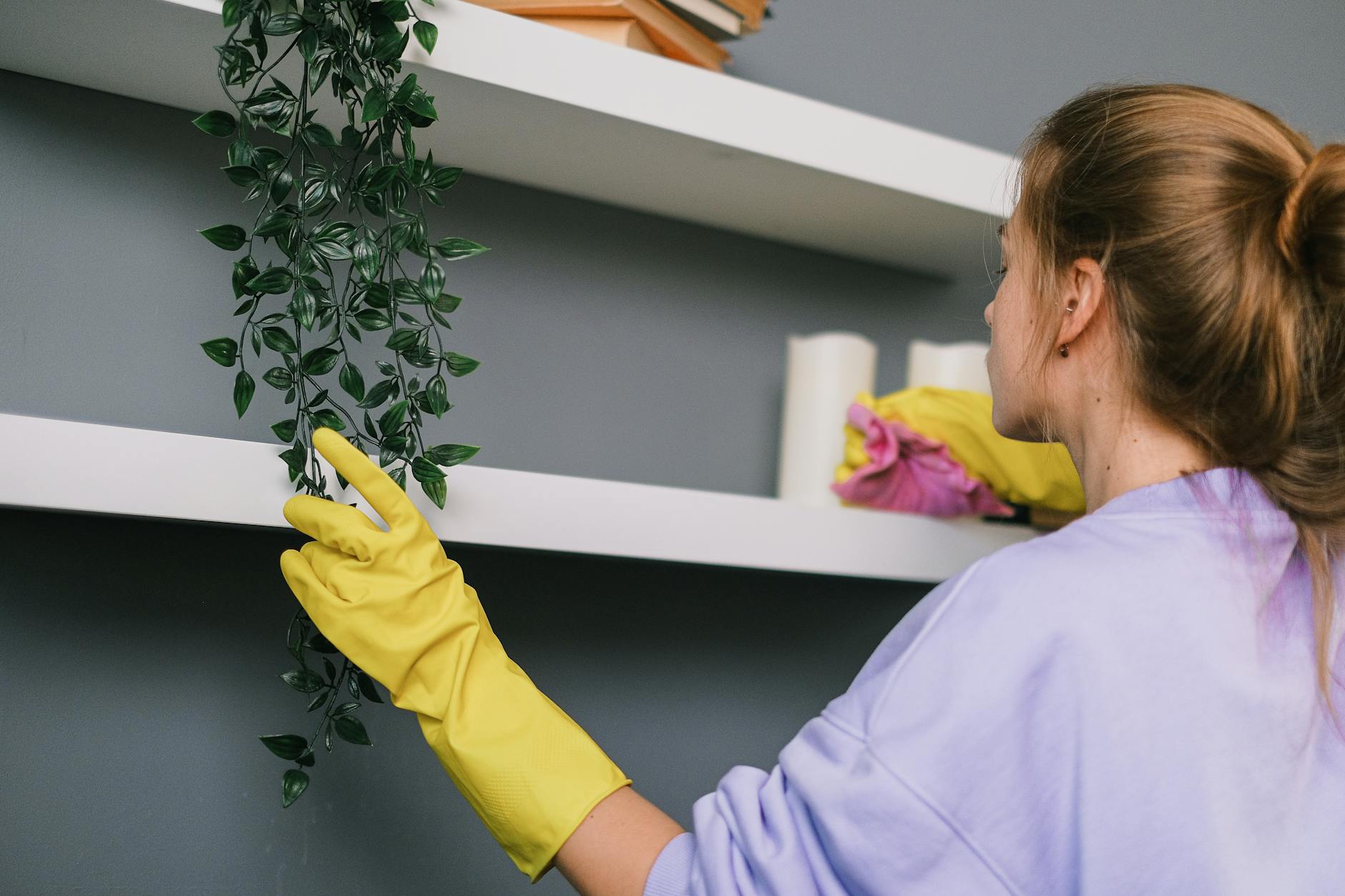
Steps to Crafting Your Smart Cleaning Checklist
Creating a smart cleaning checklist begins with assessing your space and determining what needs to be cleaned. Here’s a step-by-step approach to developing a checklist tailored to your lifestyle and home environment.
1. Assess Your Space
Take a thorough walkthrough of your home. Make notes of areas that typically accumulate clutter or dirt. Pay special attention to high-traffic areas like the living room, kitchen, and bathroom, as well as less-frequented spaces such as attics or basements. Consider also the frequency of cleaning different spaces; for example, kitchens might require daily cleaning while guest bedrooms could be a monthly task.
2. Prioritize Your Tasks
Grouping tasks by frequency can help you manage your time more effectively. For instance, you might have daily, weekly, monthly, and seasonal tasks. Daily tasks can include things like making your bed, washing dishes, and wiping surfaces, while weekly tasks might involve vacuuming or mopping floors. Monthly tasks could involve deep cleaning carpets or organizing closets, while seasonal checks might address window washing or garage cleaning. This prioritization allows you to handle the most immediate tasks without becoming overwhelmed.
3. Make It Actionable
Your checklist should not just list tasks but also provide actionable details. Instead of simply noting “clean kitchen,” break it down into specific actions: “wipe down counters,” “scrub the stovetop,” or “mop the floor.” This makes your checklist not only straightforward but also enhances your productivity by eliminating ambiguity in what needs to be done.
4. Use Technology to Your Advantage
In today’s digital age, leveraging technology can streamline your cleaning routine. Numerous apps are available that can help you create a digital checklist, set reminders, or even track your progress. Tools like Trello, Todoist, or even simple note-taking apps can be utilized to create and customize your cleaning checklist. For a more interactive experience, consider smart home devices that can trigger reminders for specific cleaning tasks.

Make It a Habit
The ultimate goal of your smart cleaning checklist is to instill good habits. Incorporate your checklist into your daily or weekly routine. Choose a specific time each day or week to tackle your cleaning tasks, making it a non-negotiable part of your schedule. Over time, these habits will transform into a more organized lifestyle.
For those who struggle with motivation, consider pairing your cleaning routines with enjoyable activities. Listen to music, podcasts, or audiobooks while cleaning. This not only makes the task more enjoyable but also helps to pass the time more quickly, ensuring that you stay on track.
Customize Your Checklist for Every Room
One of the key aspects of a smart cleaning checklist is customization. Each room in your home presents unique cleaning challenges, and a universal checklist may not suffice. Here’s how you can tailor tasks for different rooms:
Kitchen
The kitchen is often the heart of the home, but it also tends to collect the most dirt and germs. Focus on areas like the sink, countertops, and stove. Regularly clean your fridge, microwave, and cabinet fronts. Tasks can include:
- Wipe down appliances
- Organize pantry items
- Deep clean the oven and refrigerator
Living Room
For the living room, focus on dusting surfaces and upholstery. Consider the following tasks:
- Vacuum sofas and chairs
- Dust electronics and decorations
- Organize bookshelves and magazines
Bathroom
Bathrooms can harbor bacteria if not cleaned regularly. Essential tasks include:
- Scrub the toilet, shower, and sink
- Wipe down mirrors
- Empty and sanitize trash bins
Bedrooms
In bedrooms, it’s essential to create a calm and clean environment for rest. Recommended tasks include:
- Change bed linens
- Dust and vacuum
- Organize closets and dressers
Review and Refine Your Checklist Regularly
Creating your smart cleaning checklist is not a one-time task; it’s an evolving process. As seasons change or life circumstances shift, your checklist should reflect these changes. Regularly review your checklist to ensure it meets your current needs. This could involve adding new tasks, removing completed ones, or adjusting the frequency of certain tasks according to your lifestyle. Keeping your checklist up-to-date will ensure that you maintain a clean and organized space easily.
With a tailored and smart cleaning checklist, maintaining cleanliness in your home can shift from a burdensome task to a manageable and even enjoyable part of your routine. By assessing your spaces, prioritizing tasks, utilizing technology, and customizing checklists for each room, you’ll find that cleaning not only becomes simpler but also provides a sense of satisfaction that comes with a well-maintained living environment.