
Creating a relaxing bedroom environment is essential for achieving a restful night’s sleep and promoting overall well-being. Your bedroom should be a sanctuary, a place where you can unwind and recharge after a long day. In this guide, we’ll explore various strategies to transform your bedroom into a peaceful retreat, focusing on elements such as color, lighting, furnishings, and sensory comforts that can enhance relaxation.
Color Choices that Calm
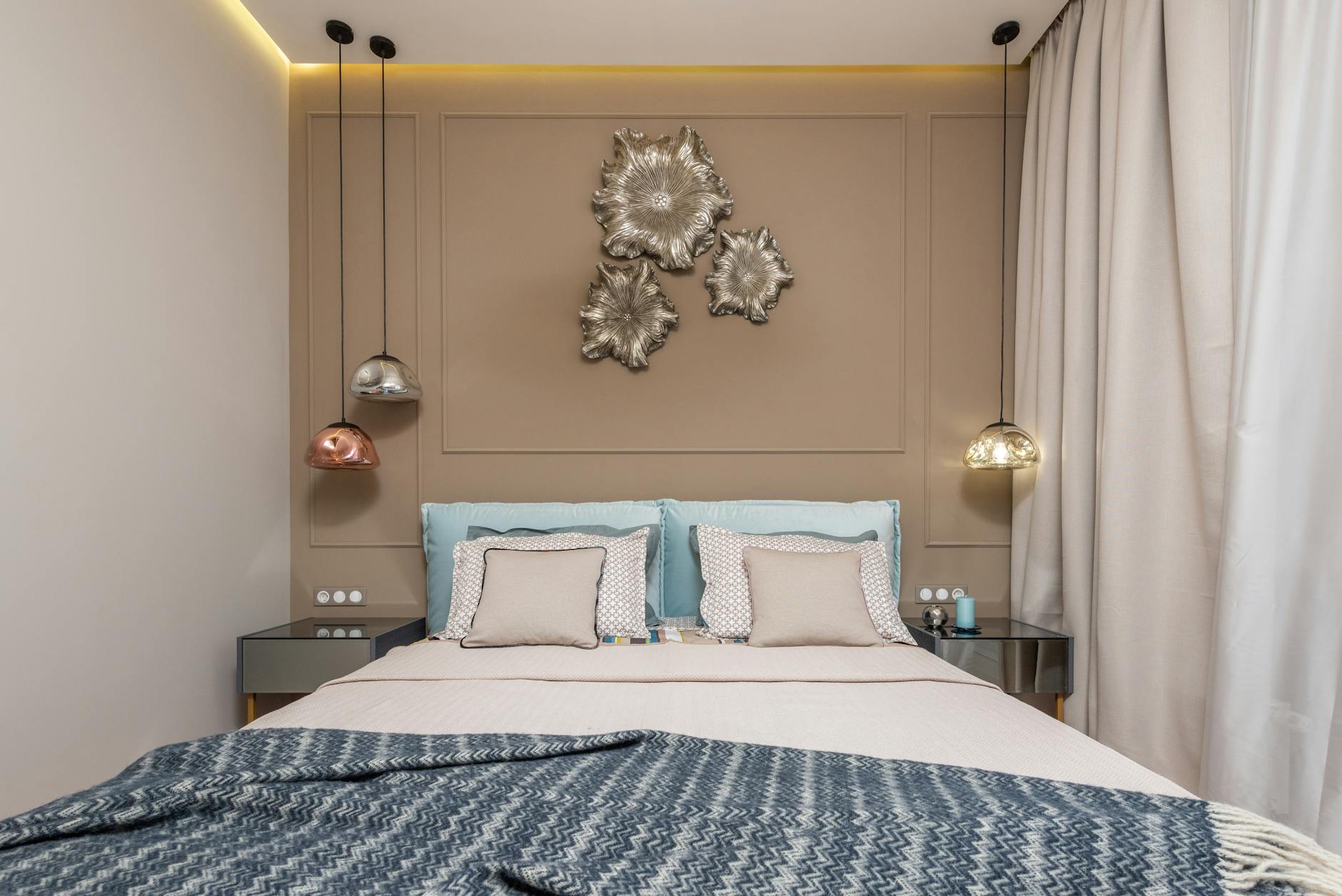
The colors you choose for your bedroom can significantly influence your mood and sense of calm. Soft, muted tones such as pale blues, greens, and grays are often associated with tranquility and are conducive to relaxation. These colors mimic nature and can create a serene atmosphere. On the other hand, bright colors like red or orange may stimulate energy and may not be ideal for a restful environment.
When selecting a color palette, consider the entire space, including walls, bedding, and decor. A harmonious palette with varying shades of a base color can bring a sense of unity and calmness. Additionally, using textures—such as soft blankets or plush pillows in your chosen colors—can further enhance the soothing effect of your bedroom.
Effective Lighting Solutions
Lighting plays a pivotal role in creating a calming ambiance. The key to a relaxing bedroom is layered lighting that can be adjusted according to your needs. Ideally, incorporate a mix of overhead lights, bedside lamps, and accent lights. Dimmable fixtures allow you to customize the brightness, letting you transition from daytime functionality to softer evening lighting.
Consider using warm white or yellow bulbs instead of harsh white light, as warmer tones tend to promote relaxation. You might also explore the use of smart lighting systems that can be scheduled to dim gradually as bedtime approaches, simulating a natural sunset and signaling to your body that it’s time to wind down.

Choosing the Right Furnishings
The furniture in your bedroom should prioritize comfort and functionality. Invest in a high-quality mattress that suits your sleep style, as this is the foundation of a restful night’s sleep. Pillows, bed linen, and blankets also contribute significantly to comfort. Opt for breathable fabrics that feel good against your skin, and aim for a clutter-free environment by selecting furniture that offers storage solutions without overwhelming the space.
Additionally, avoiding oversized furniture can help create a more open and inviting atmosphere. Minimalist designs or pieces that blend with the room’s color scheme can make the space feel larger and more serene. Consider using multi-functional furniture, such as a bed with built-in drawers, which helps maintain tidiness while allowing you to store personal items out of sight.
Sensory Elements for Relaxation
Incorporating sensory elements can elevate your bedroom environment significantly. Start with sound; a white noise machine or calming sounds, like ocean waves or soft music, can create a peaceful auditory backdrop conducive to sleep. Additionally, natural sounds can have a stress-relieving effect, enhancing your overall relaxation experience.
The scent is another powerful tool for tranquility. Aromatherapy with essential oils like lavender, chamomile, or sandalwood can promote relaxation. Use a diffuser or scented candles to introduce these calming scents into your bedroom. Not only do pleasant aromas evoke feelings of warmth and comfort, but they can also signal to your brain that it’s time to unwind.

Lastly, consider the impact of nature. Incorporating houseplants can improve air quality and bring a sense of the outdoors inside. Plants such as snake plants, peace lilies, or lavender are not only aesthetically pleasing but are also known for their calming properties. They can act as natural air purifiers and enhance your mental well-being.
Creating a Sleep-Inducing Environment
Ultimately, your bedroom should be designed with sleep in mind. Limit distractions by ensuring that electronics are kept to a minimum. Consider leaving your phone outside the bedroom or at least turning it to silent mode, allowing you to focus on relaxation. Investing in blackout curtains or shades can block out outside light, creating a darker, more sleep-friendly space.
Temperature also plays a crucial role in sleep quality. Ideally, your bedroom should be kept cool, with a temperature range between 60-67°F (16-19°C) being optimal for most people. This can be achieved through the use of fans, air conditioning, or breathable bedding materials that help regulate your body temperature throughout the night.
Lastly, establishing a bedtime routine signals your body that it’s time to unwind. Activities might include reading, stretching, or practicing meditation before sleep. These practices cultivate a sense of relaxation, making it easier to transition into a restful state.
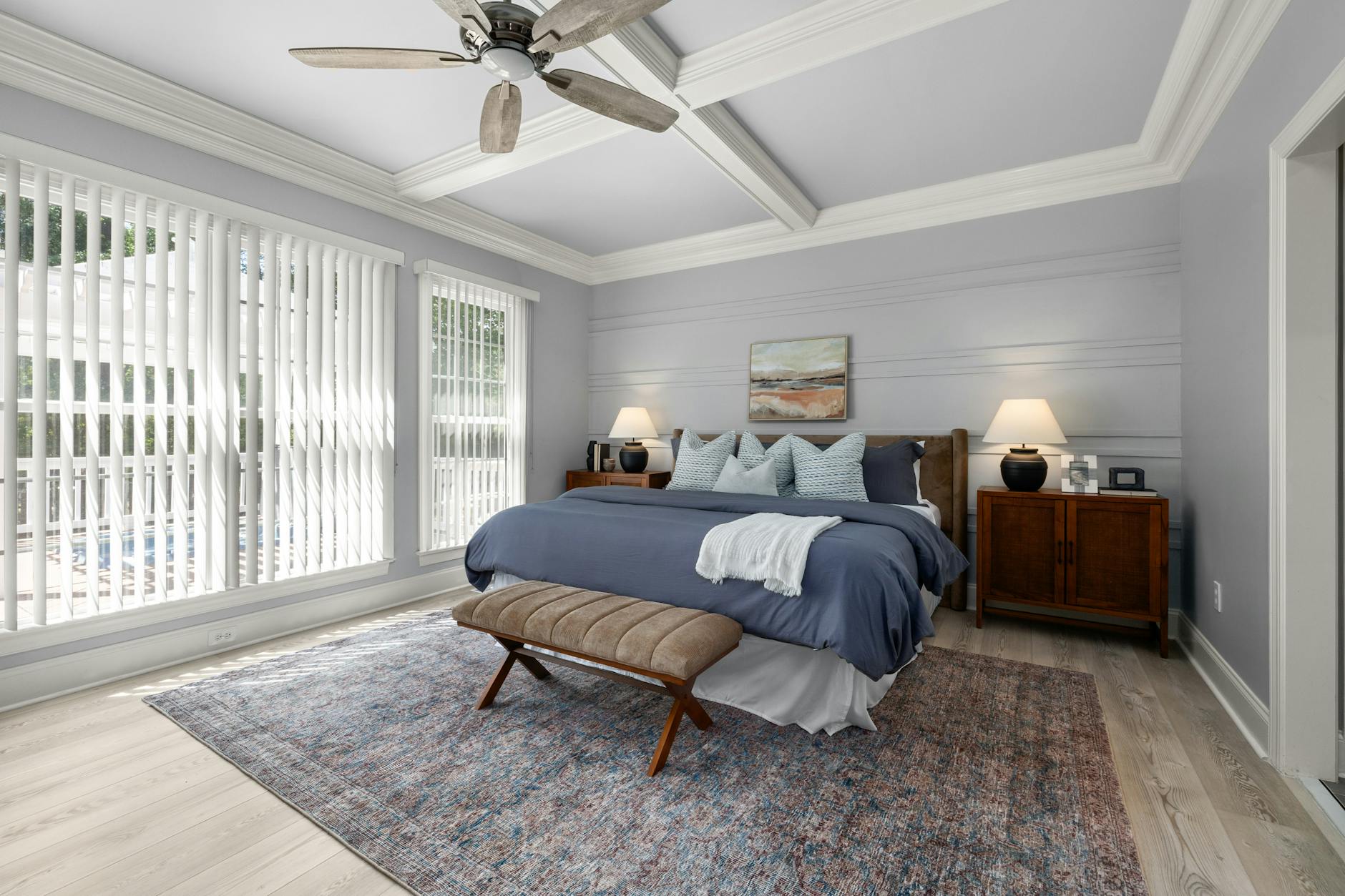
In conclusion, creating a relaxing bedroom environment is an investment in your health and well-being. By thoughtfully considering colors, lighting, furnishings, sensory elements, and sleep-friendly practices, you can transform your bedroom into a soothing sanctuary. This effort not only promotes better sleep but also fosters a calming atmosphere that invites you to recharge every day.