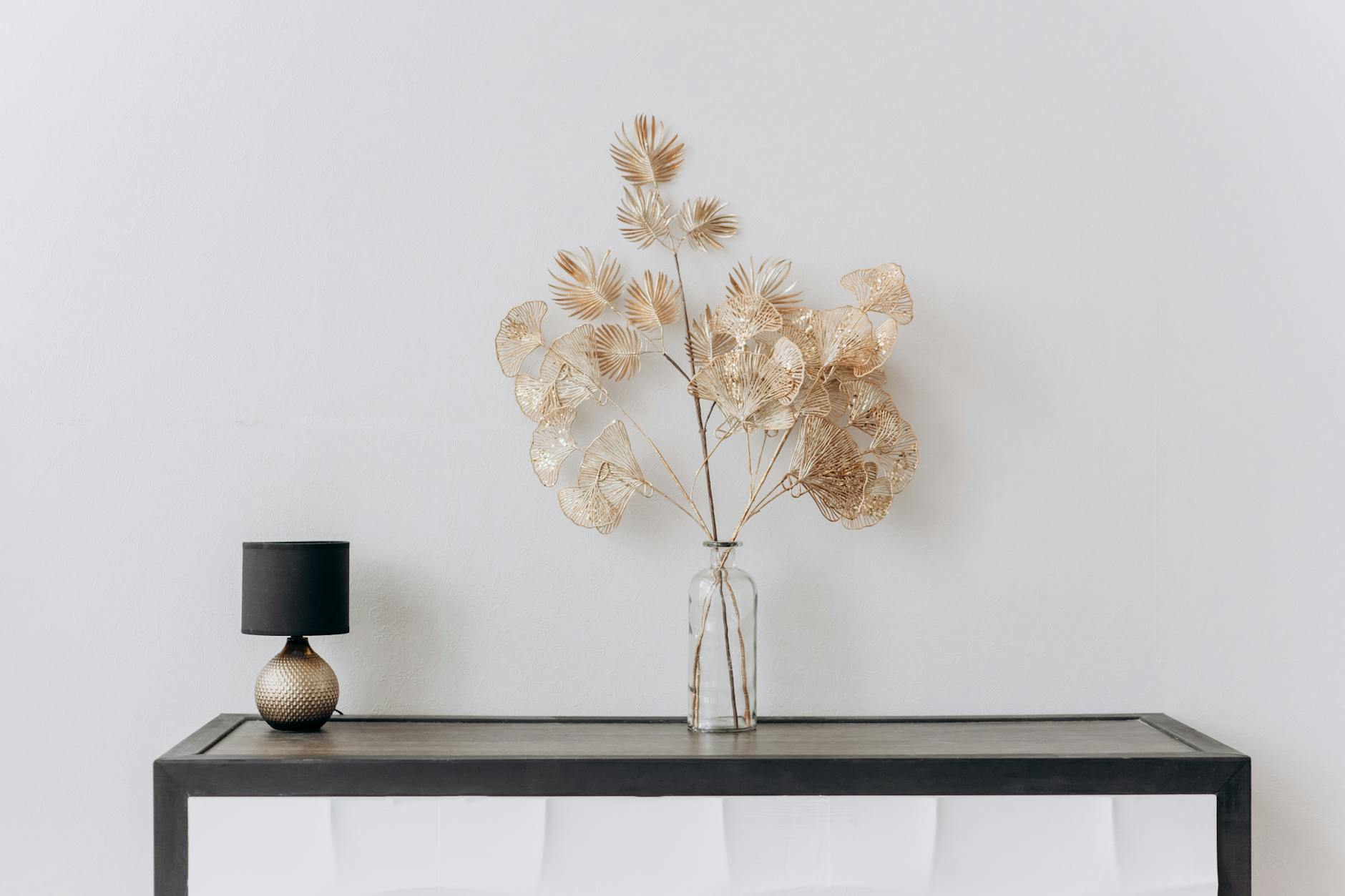
Creating a bright and neutral space can be a transformative experience, both aesthetically and psychologically. This approach to interior design emphasizes open, airy environments while maintaining a calming, uncluttered atmosphere. Here, we explore practical tips and inspiring ideas for designing such spaces, ensuring that you can enjoy the benefits of a harmonious living area.
Understanding Bright and Neutral Spaces
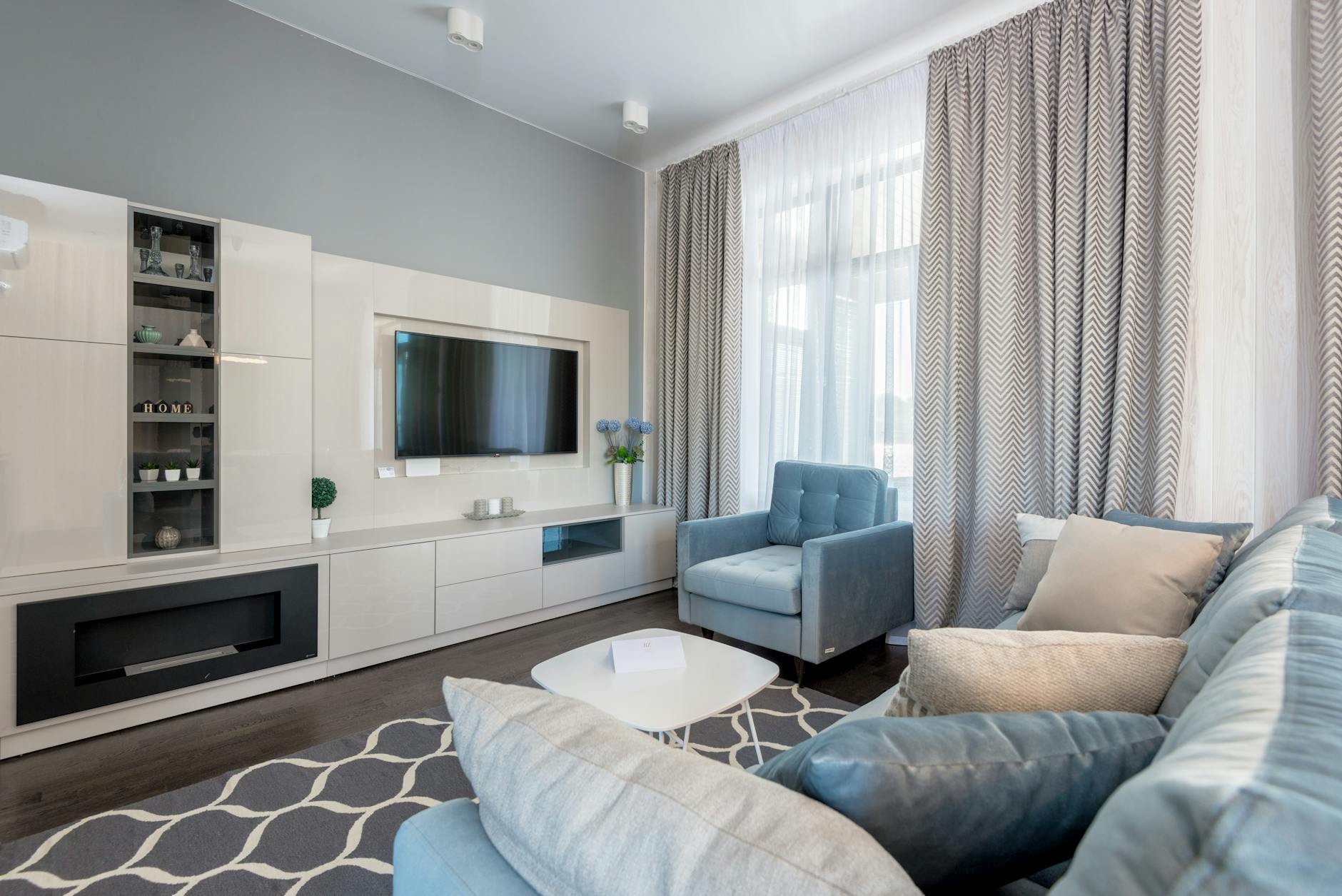
Bright and neutral spaces primarily rely on a palette of soft colors—whites, beiges, light greys, and soft pastels. These hues are not only welcoming but also make rooms appear larger and brighter, fostering a sense of tranquility. By limiting the use of darker, more saturated colors, you allow natural light to bounce off the walls, creating an energizing and uplifting atmosphere.
Neutral tones can serve as a perfect backdrop for various design elements. They allow for flexibility in adding pops of color through accessories like cushions, artwork, and decorative items. Moreover, they create a sense of cohesion when combined with different materials and textures. This balance is vital in achieving a space that feels both stylish and comfortable.
Choosing the Right Elements
Incorporating the right elements into your bright and neutral space can make a significant difference. Begin by selecting key furniture pieces in neutral finishes. Sofas, armchairs, and coffee tables in light-colored woods or upholstered in soft fabrics can anchor the room while keeping the overall vibe relaxed. Look for pieces with clean lines and minimalist designs to enhance the airy feeling.
Natural materials are also essential in achieving the desired look. Incorporate items like wicker, rattan, and light-colored woods, which can add warmth without overpowering the neutral aesthetic. Textiles should be chosen with care—consider linen or cotton curtains that allow sunlight to filter through gently, enhancing the brightness of the space.
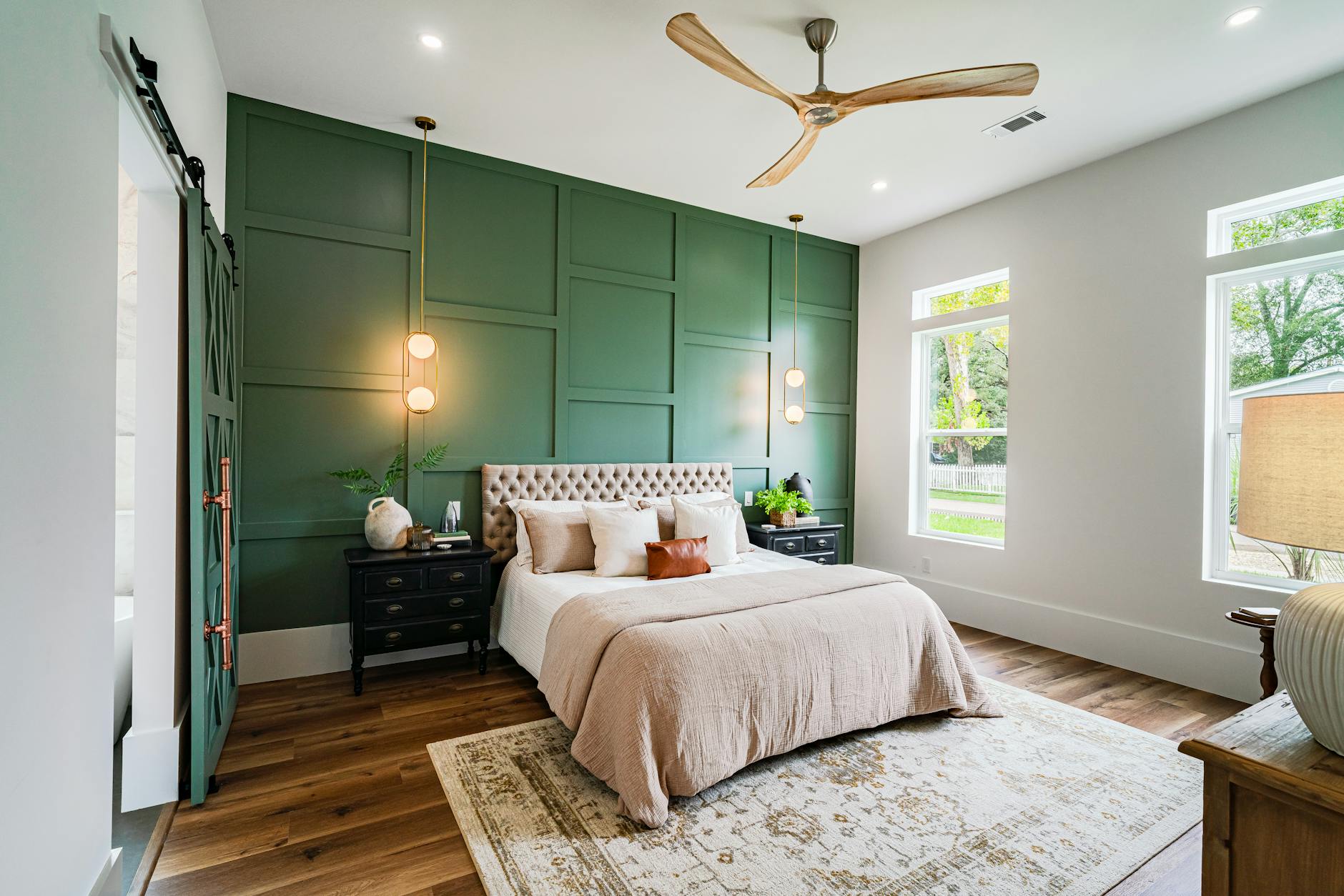
Lighting is another critical aspect. Opt for light fixtures in soft metals or white finishes, and consider a mix of ambient, task, and accent lighting. Pendant lights in simple shapes or strategically placed floor lamps can enhance the bright and neutral scheme while adding visual interest. Additionally, incorporating mirrors can amplify natural light and create an illusion of more space.
Color Accents for Personal Touch
While the foundation of your design is built on bright and neutral tones, introducing accents of color can personalize your space. Look for opportunities to add splashes of color through decorative items. A single colorful vase, a piece of artwork, or a throw blanket can serve as focal points without overwhelming the overall aesthetic.
When selecting accent colors, consider those that complement the neutral base. Soft blues, gentle greens, or even muted coral can harmonize beautifully with whites and beiges. A color wheel may help you visualize combinations that work, enabling you to create a cohesive look. Remember that even small touches of color can profoundly impact the overall atmosphere, enhancing your emotional response to the space.
Creating Functional Spaces in Bright and Neutral Tones
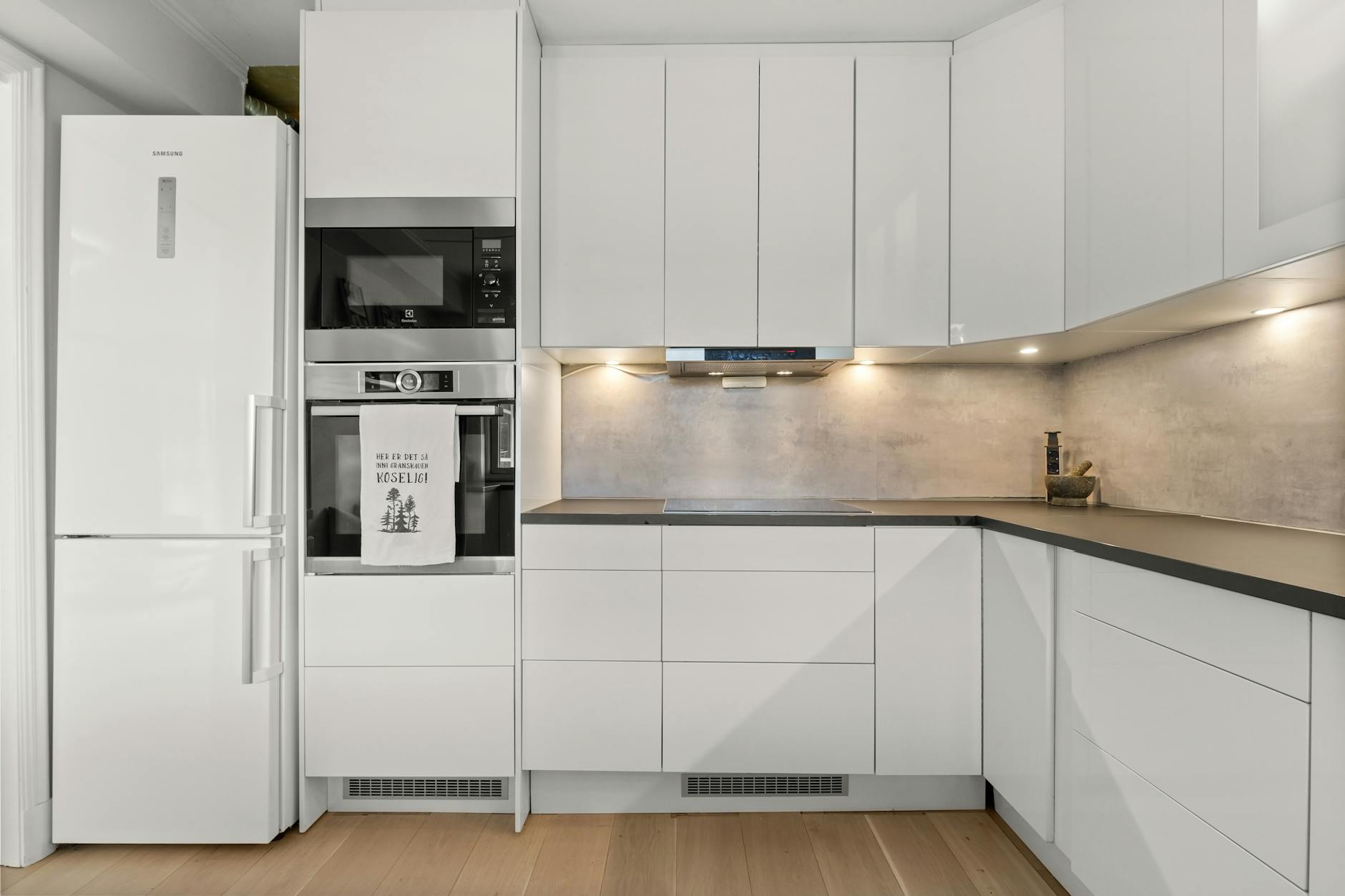
The principle of bright and neutral design isn’t limited to living rooms or bedrooms; it can transform any space in your home, including kitchens and home offices. In kitchens, opt for light cabinetry paired with white or pale countertops. This combination can create an inviting culinary space, perfect for hosting family gatherings or preparing daily meals.
In home offices, keeping the workspace bright and neutral can boost productivity and creativity. Choose a clean desk design and ensure that your office chair is comfortable yet stylish. Personalize the space with neutral-colored organizers or planters to keep the environment fresh and inspiring. Furthermore, a bright color from an accent wall or art piece behind the desk can encourage engagement while maintaining a calm atmosphere.
The Psychological Benefits of Bright and Neutral Spaces
Beyond aesthetics, designing a bright and neutral space can have a profound psychological impact. Neutral colors are known to reduce anxiety and create a peaceful environment, allowing for relaxation and concentration. By promoting good energy flow, these colors can positively influence emotions and even improve focus in workspaces.
Additionally, bright spaces can combat feelings of claustrophobia often associated with darker color schemes. Natural light plays a crucial role in this, as exposure to sunlight supports mental well-being by regulating mood and sleep. Creating an environment that maximizes light and minimizes clutter can lead to increased feelings of happiness and fulfillment.
As you embark on your journey to create a bright and neutral space, consider these factors: choose the right colors, incorporate natural materials, and remember to personalize your environment. With intention and thoughtful design choices, you can craft a living space that not only looks beautiful but also nourishes your mind and spirit.