
In a world where design has long taken more than it gives, a quiet revolution is reshaping the creative industries. Today, the most compelling projects don’t just minimize harm—they actively restore ecosystems, regenerate resources, and reconnect people with the natural world. This is design that gives back.
Beyond Sustainability: Regenerative Thinking
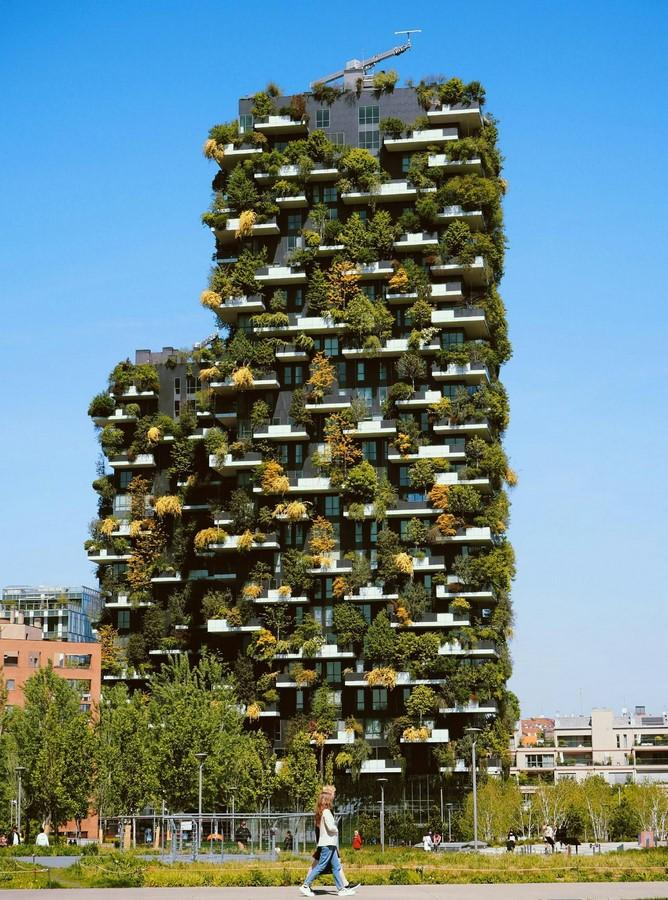
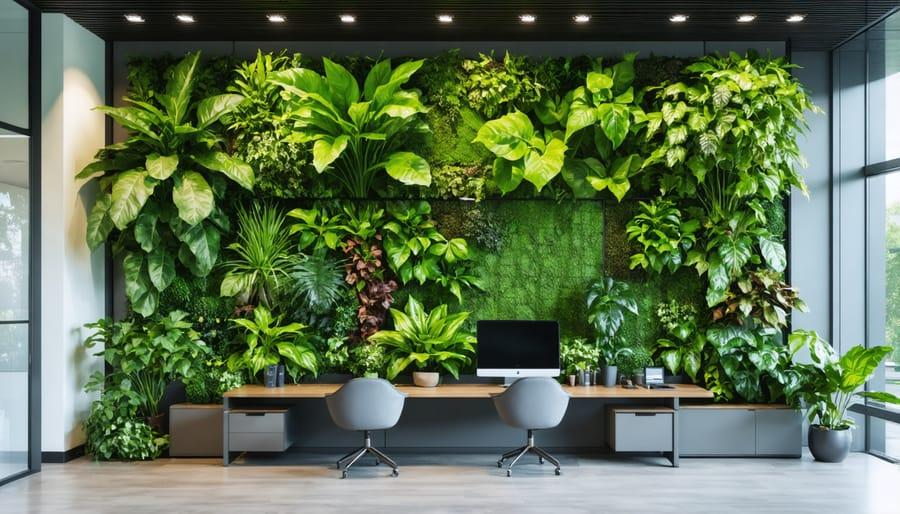
Sustainability was once the gold standard: use fewer resources, reduce emissions, do less damage. But regenerative design goes further. It asks a more ambitious question: How can design improve the environment it inhabits?
Instead of simply reducing carbon footprints, regenerative projects restore soil health, increase biodiversity, and even clean air and water. Buildings become ecosystems. Cities become habitats. Design shifts from being extractive to being restorative.
This mindset changes the role of the designer—from problem-solver to systems thinker.
Materials That Heal, Not Harm
Materials are where intention becomes reality. Traditional design relies heavily on resource-intensive materials—plastics, concrete, synthetic composites—that persist long after their usefulness ends.
Nature-inspired alternatives are changing that:
- Mycelium (fungal networks) grows into durable, compostable structures
- Hempcrete absorbs carbon as it cures
- Bioplastics break down without polluting ecosystems
The most exciting shift isn’t just biodegradability—it’s benefit. Some materials actively improve soil when they decompose or capture carbon during their lifecycle. Design becomes part of a natural cycle, not an interruption of it.
Designing with Living Systems
Nature is no longer just inspiration—it’s a collaborator.
Biophilic design integrates living systems directly into spaces: green walls that regulate temperature, rooftops that support pollinators, and interiors that improve human well-being through natural elements.
More advanced approaches blur boundaries entirely:
- Buildings that host bird and insect habitats
- Landscapes that manage stormwater naturally
- Infrastructure that mimics ecosystems rather than replacing them
Design begins to function like nature: adaptive, resilient, interconnected.
The Aesthetics of Responsibility
Interestingly, regenerative design doesn’t sacrifice beauty—it redefines it. There’s a growing aesthetic language built around imperfection, tactility, and authenticity. Raw textures, visible natural processes, and materials that age gracefully are replacing polished artificial finishes. What emerges is a quieter, more grounded form of luxury—one rooted in meaning rather than excess.
Beauty is no longer just visual. It’s ethical.
A New Creative Ethic
Design that gives back is not a trend—it’s a shift in values. It challenges designers to think long-term, to consider ecosystems alongside users, and to measure success not only by function or profit, but by impact.
The next generation of design won’t ask, “How can we make this?”
It will ask, “What will this give back?”
And in that question lies the future of creativity—one where design doesn’t just exist in nature, but actively helps it thrive.