As we navigate the urban landscape, our gaze often gravitates towards the bustling life surrounding us. The chatter of pedestrians, the humming of vehicles, and the vibrant street art easily capture our attention. Yet, beneath the surface of this urban orchestra lies a hidden symphony — one crafted in stone, brick, and glass. The symbols etched onto buildings, a testament to history, culture, and identity, whisper untold stories waiting to be unraveled. In this article, we delve into some of these hidden symbols I’ve noticed while wandering through the city, shedding light on their meaning and significance.
Architectural Symbols: More Than Meets the Eye
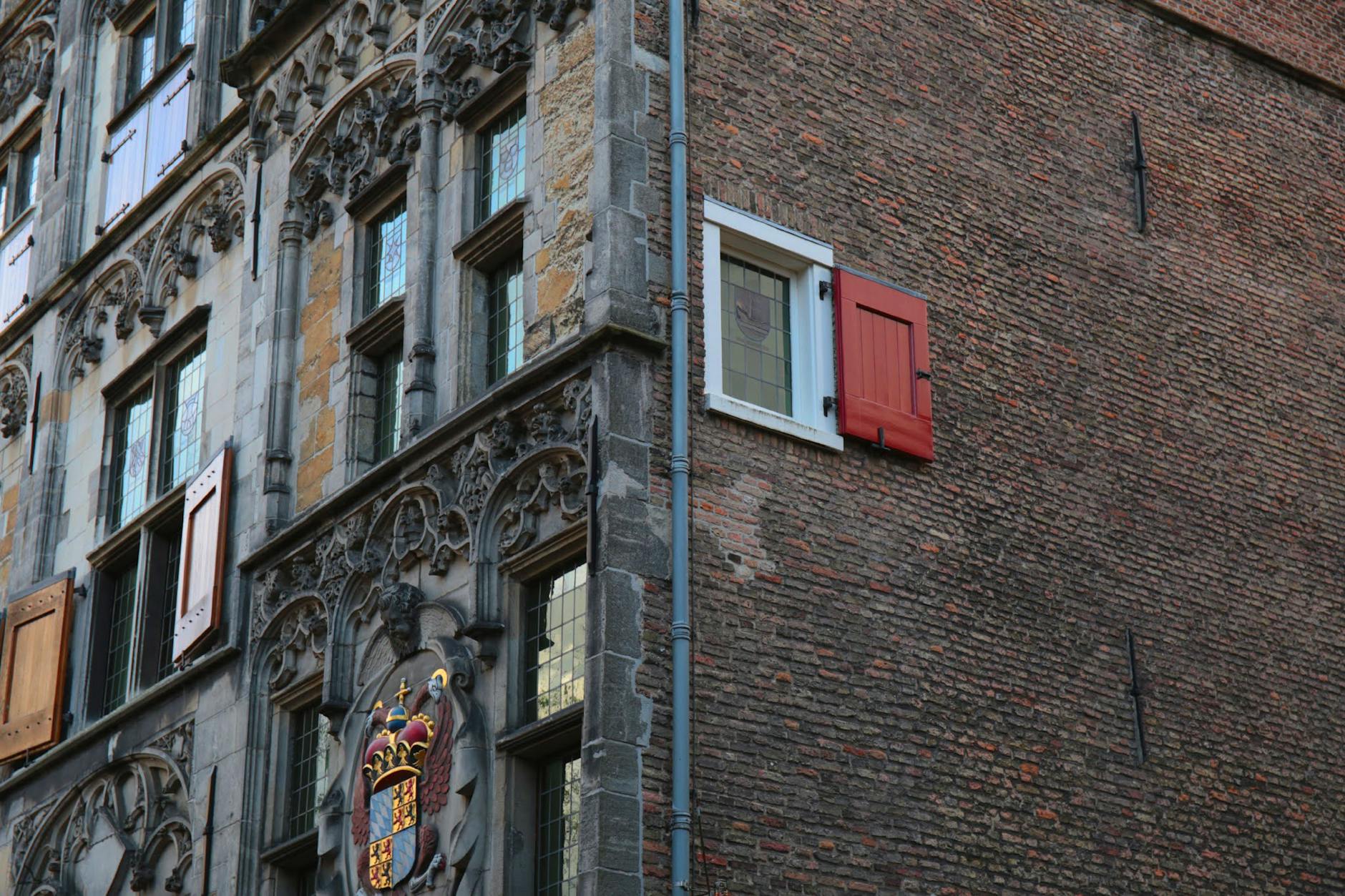
Architectural elements often serve a purpose beyond aesthetics. The inclusion of symbols such as gargoyles, reliefs, and inscriptions has been a practice since ancient times, aimed at safeguarding structures or conveying messages. For instance, the intricate designs of gargoyles, commonly seen on Gothic cathedrals, were originally intended as water spouts but evolved to represent spiritual guardians against evil. These creatures, often imagined as fantastical beings, communicate our ancestors’ beliefs about protection and vigilance.
In many cities, public buildings boast decorative stonework with historical references, telling stories of cultural heritage. You might pass a city hall adorned with carvings of significant events or notable figures relevant to the local community. Such representations serve not only to beautify the building but to educate the onlooker about shared history and pride. For example, a prominent figure from the city’s past may be depicted, reminding visitors of the contributions that shaped the community’s identity.
Nature’s Influence: Symbolism in Urban Architecture
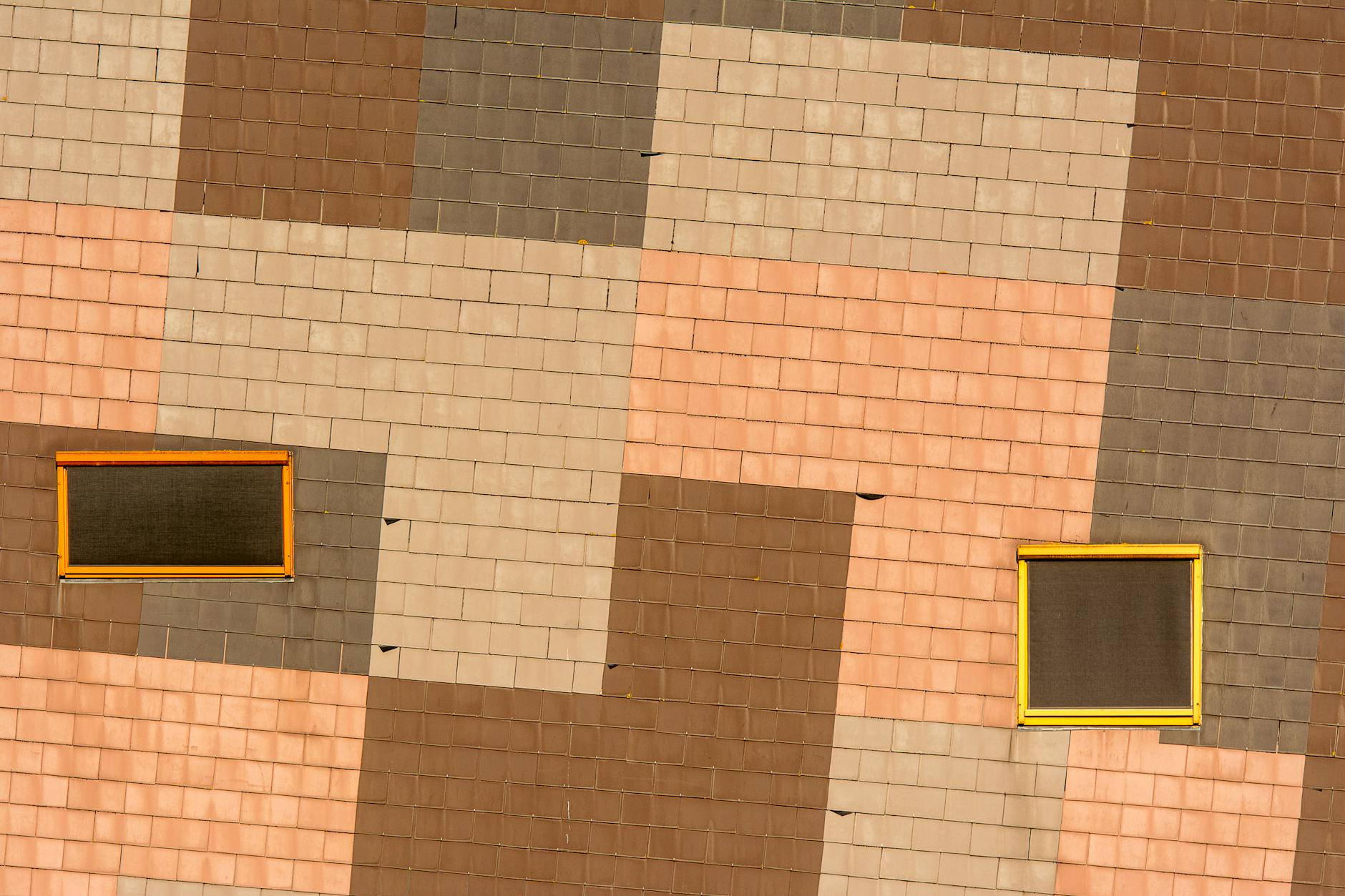
Nature often plays a crucial role in the symbolic language of architecture, intertwining urban life with the natural world. Many buildings feature motifs inspired by flora and fauna, reflecting the relationship between the environment and human habitation. This is particularly evident in structures that seek to promote sustainability and environmental consciousness. For instance, the presence of leaf patterns in decorative elements signals a commitment to eco-friendly practices and a respect for nature.
Moreover, some architects incorporate natural materials and designs inspired by the local landscape into their buildings. This practice is not merely an aesthetic choice; it is a conscious effort to bridge the gap between the city and its surrounding environment. A hotel adorned with motifs of local wildlife may draw attention to the region’s biodiversity, urging visitors to appreciate the natural beauty often overlooked in a metropolitan setting. These symbolic connections invite us to reconsider our role in the ecosystem, blending urban life with the essence of nature.
Decoding Cultural Symbols: A Tapestry of Identity
Cities are melting pots of diverse cultures, and this multiculturalism is often reflected in the symbols displayed on their buildings. From the vibrant murals in neighborhoods to the intricate tile work of cultural centers, these symbols tell the stories of different communities. For instance, one might notice the use of geometric patterns commonly associated with Islamic architecture, signifying the presence and influence of Muslim communities in the area. These details not only enrich the architectural landscape but also celebrate the diversity that characterizes urban life.
In addition to religious symbols, certain buildings pay homage to cultural traditions through artistic representations. Murals depicting historical events, folklore, or community heroes can be found adorning the walls of local restaurants or public art installations, transforming the mundane into a canvas of cultural expression. As we engage with these symbols, we are invited to explore the rich tapestry of stories that bind the community together, fostering a sense of belonging and shared identity.
The Power of Ideology: Political Symbols in the Urban Landscape
The political landscape of a city often finds expression through its architecture. Many buildings are adorned with symbols of power, regime, or ideology, reflecting the values and beliefs of those in authority. Statues of historical leaders, emblems of political parties, and inscriptions of mottos can be seen in public squares, serving as constant reminders of a city’s political climate. These symbols are potent, often evoking strong emotions and stirring debates about identity and governance.
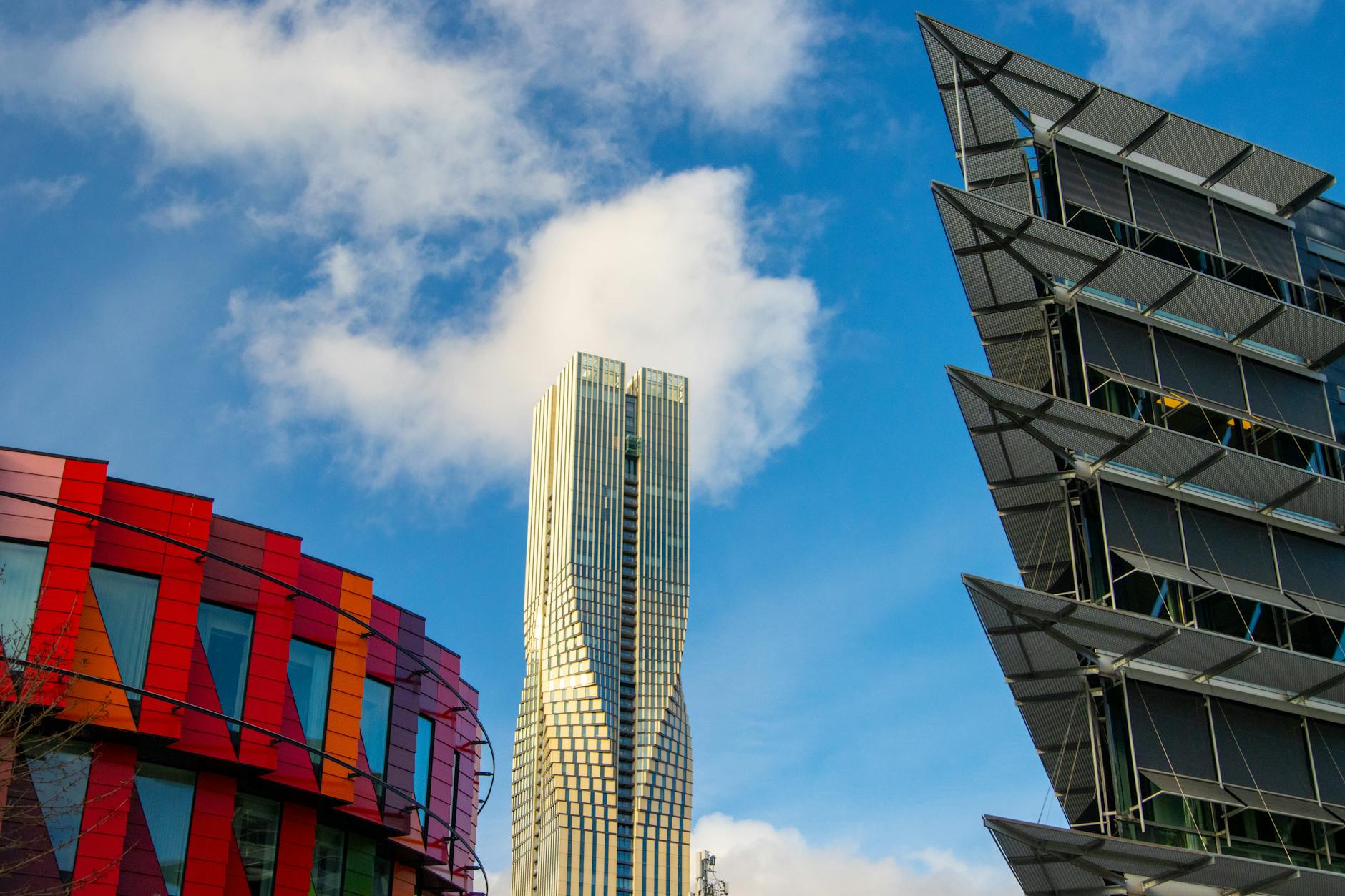
In contemporary architecture, symbols of progress and innovation also emerge, reminiscent of civic pride. For instance, the addition of modern skyscrapers may symbolize a city’s ambition and growth, embodying the collective aspiration of its citizens. Here, architecture transcends function; it becomes an ideological statement, a reflection of a society’s values and vision for the future.
The Unseen Connections: Community and Collaboration
Perhaps one of the most profound aspects of the symbols we encounter is their ability to foster connections within the community. Many buildings feature symbols relating to local initiatives, social movements, or collaborative projects. These representations emphasize community spirit and collective action, inviting citizens to engage and participate in the ongoing narrative of their urban space.
For instance, a community center decorated with symbols of unity and friendship may serve as a reminder of the power of collaboration in overcoming societal challenges. Such buildings become spaces not only for activity and engagement but also for reflection, inviting citizens to contemplate the shared vision for their neighborhood. In this way, the symbols we find on buildings offer insights into the social fabric of the city, revealing a dynamic interplay between architecture and community life.
The Journey of Discovery: Being Attentive to the Urban Landscape
As we walk through our cities, the hidden symbols around us invite us to pause and reflect on their meanings. They remind us that every building has a story to tell, shaped by its historical, cultural, and ideological context. By taking the time to notice these details, we deepen our engagement with the urban landscape, unveiling a rich narrative that intertwines past with present.
So, the next time you stroll through your city, look up, look closer, and let the hidden symbols guide your curiosity. Whether they speak of protection, culture, nature, or ideology, these elements enrich our understanding of place and identity, transforming each city into a living tapestry of stories waiting to be discovered.