
In the world of interior design, color plays a pivotal role in shaping the atmosphere of a space. A subtle color palette, characterized by understated hues and harmonious combinations, can transform your home into a tranquil haven. This design approach embraces the gentle strength of nature and allows for a graceful balance between style and serenity. In this article, we will delve into the principles of establishing a subtle color palette in home design, explore its psychological impacts, and provide practical tips for effortlessly integrating this aesthetic into your living space.
The Psychology of Subtle Hues
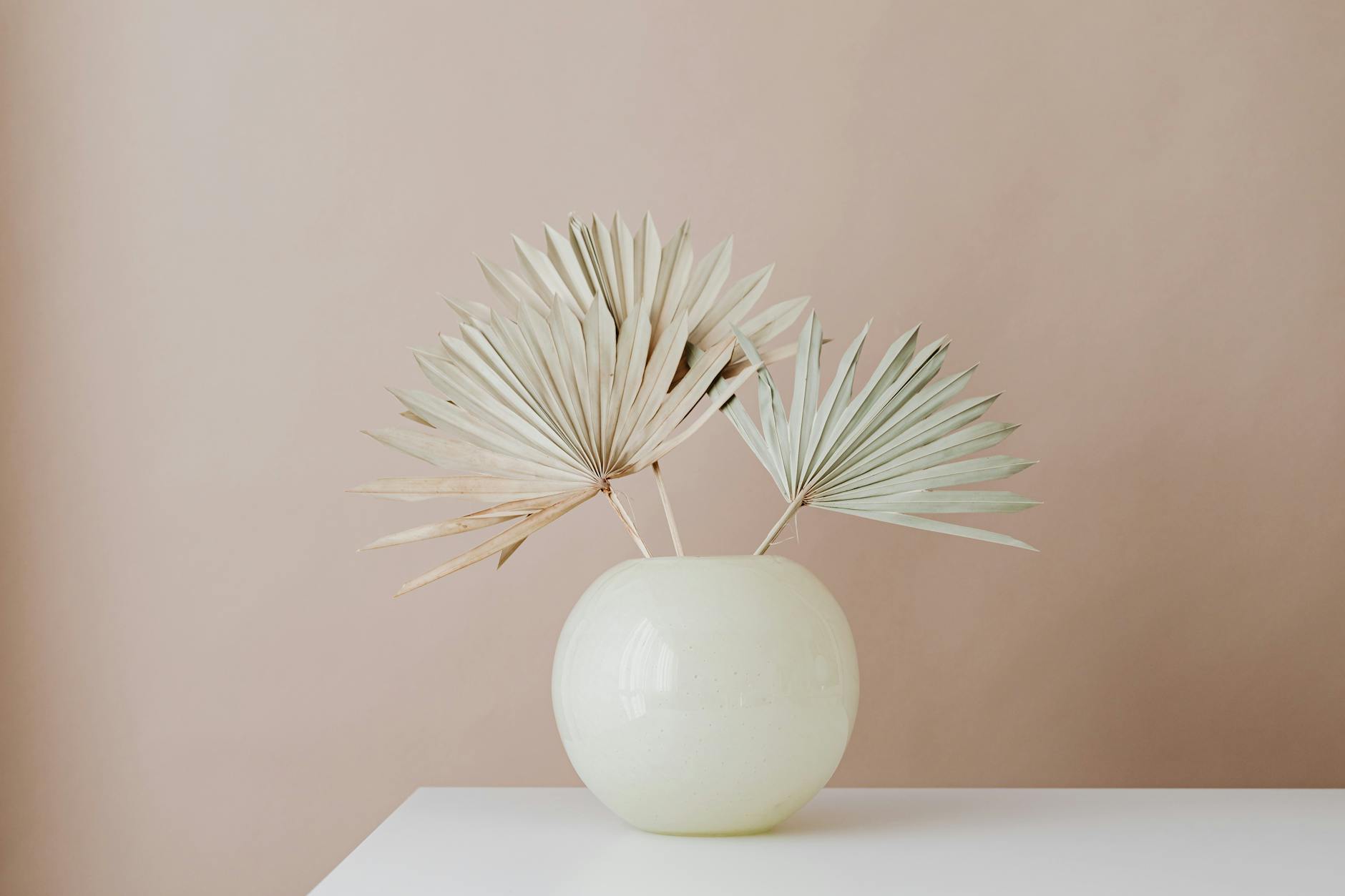
The impact of color on our emotions and behaviors is profound. Subtle colors—soft pastels, muted neutrals, and gentle earth tones—invoke calmness and stability. Unlike bold, vibrant colors that can energize or overwhelm, subtle shades create a serene backdrop that encourages relaxation and introspection. According to color psychology, hues like soft blues and greens promote tranquility, while warm neutrals foster a sense of comfort and coziness. By choosing a subtle color palette, homeowners can create environments that are not only visually appealing but also emotionally restorative.
Moreover, the simplicity found in subtle colors allows for flexibility in decor choices. For instance, a living room painted in soft beige can serve as a canvas for various accent pieces—be it artwork, textiles, or furniture arrangements—without clashing. This adaptability makes subtle palettes particularly popular among those who wish to rotate decor seasonally or when shifting tastes occur.
Choosing the Right Colors for Your Space
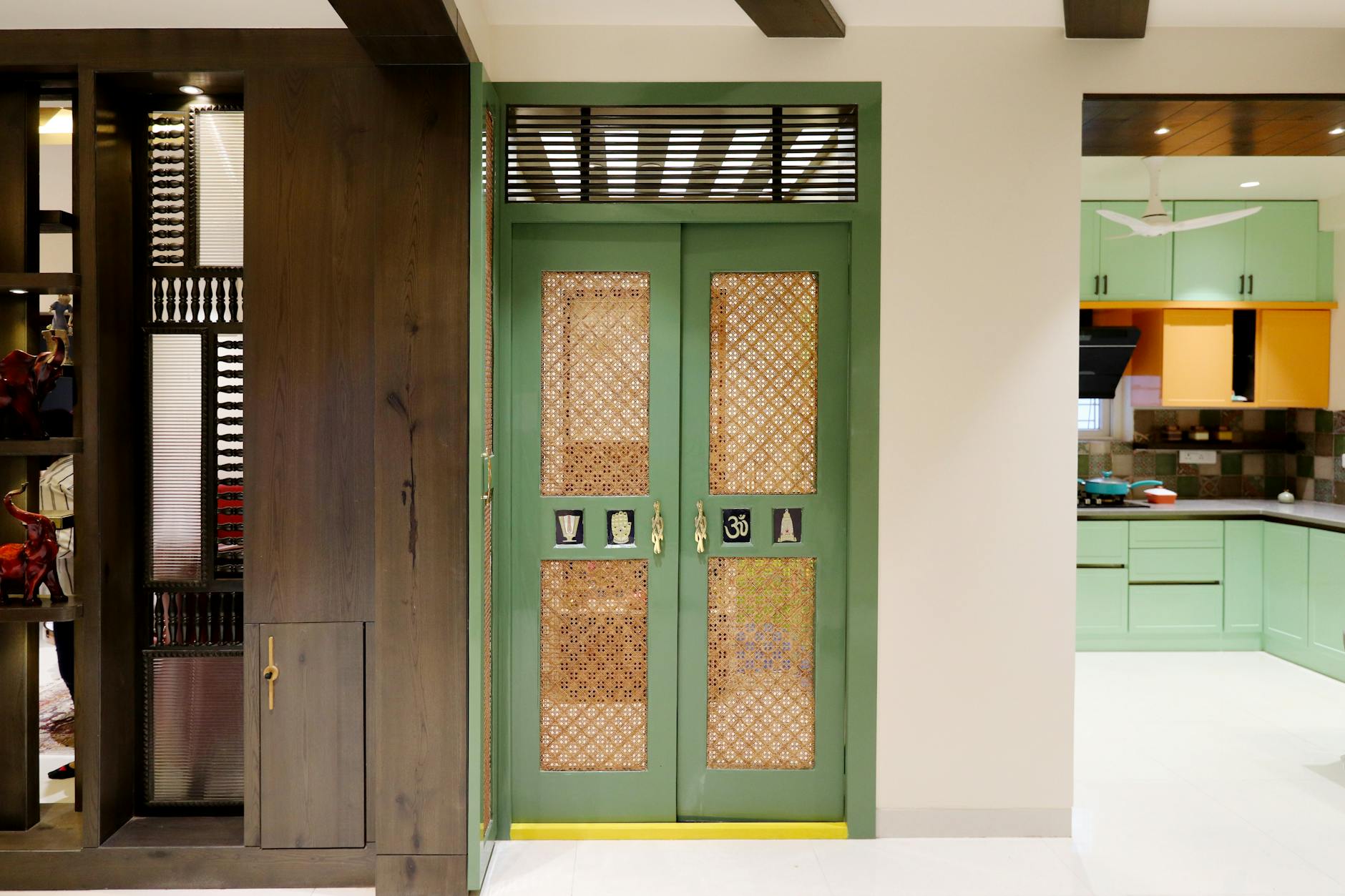
When embarking on a journey to design with a subtle color palette, the first step is to select a primary color that resonates with you. Soft whites, delicate grays, and muted blues are excellent foundational choices. Pair these with complementary shades that enhance the primary hue while maintaining the overall sense of cohesion. Incorporate earthy tones—like dusty rose or sage green—to create a grounded atmosphere that feels organic and inviting. The key is to choose colors that reflect natural elements, such as the soft tones of a sunset or the gentle variations of a landscape.
One effective approach is to create a color board—either physically or digitally—that includes paint swatches, fabric samples, and even photographs that inspire you. This exercise not only helps visualize your design but also ensures that the chosen colors harmonize effectively. Aim for a balance of light and dark within your palette; for example, a soft taupe paired with a deeper charcoal can add depth without overwhelming the space. Utilize tools like color wheels or online color palette generators to assist in finding pleasing combinations that resonate with your vision.
Implementing Subtle Colors in Various Spaces
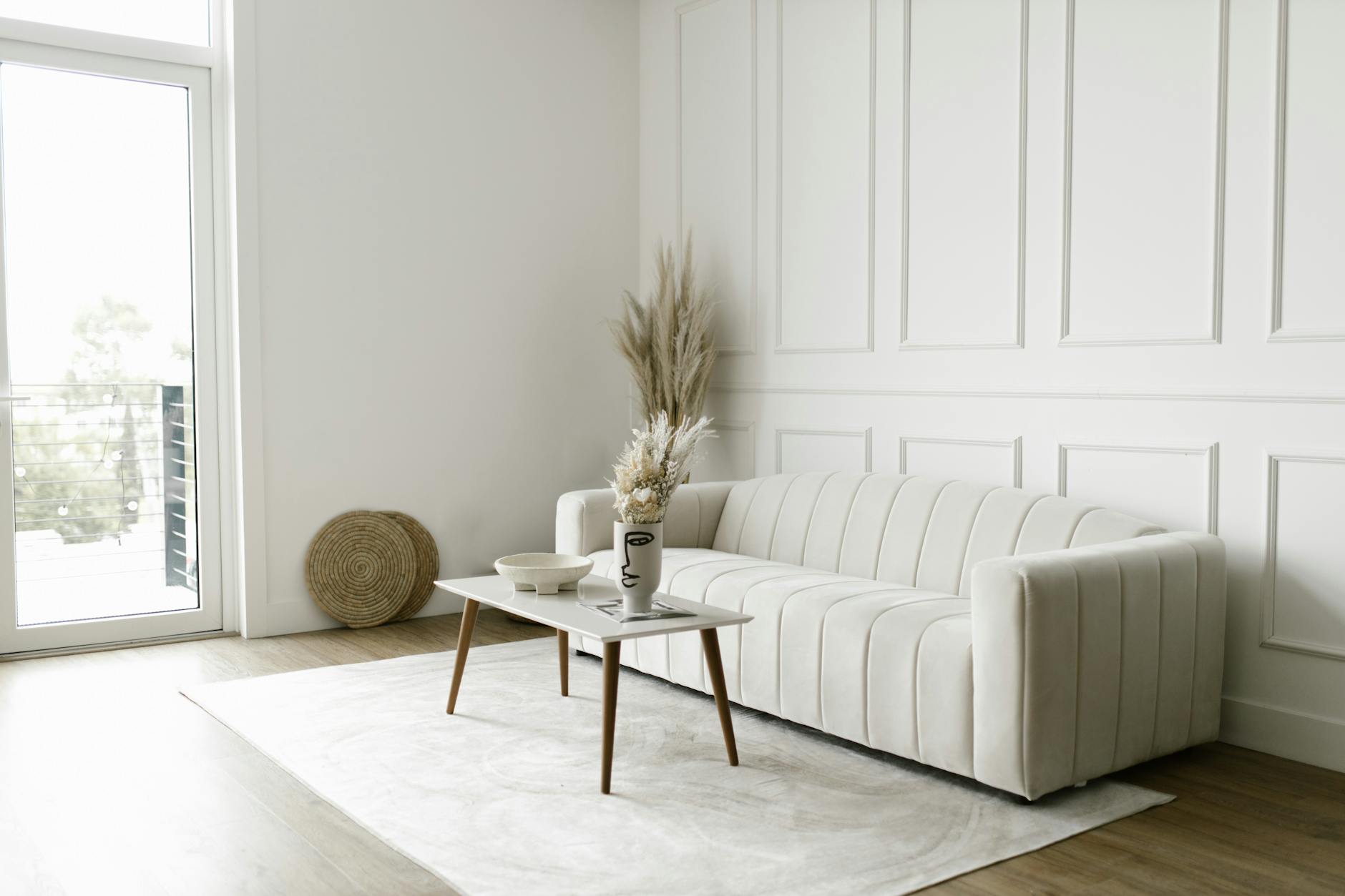
Each room in your home presents its own unique challenges and opportunities in applying a subtle color palette. In the living room, consider painting the walls in a soft cream while utilizing deeper shades in furniture or artwork to add dimension. Accessories such as throw pillows, rugs, and window treatments can introduce subtle patterns or texture, which will enhance the overall feel without compromising the calm aesthetic.
In bedrooms, soft colors can significantly affect our sleep quality. Light shades of blue or lavender can create a serene atmosphere conducive to relaxation. Complement these hues with white or lightly colored linens and wooden accents to evoke a sense of peace. For spaces where you want to feel more energized, such as home offices or kitchens, consider incorporating subtle hints of uplifting colors like pale yellow or soft coral, using them sparingly to maintain balance.
Accessories and Accents: Adding Layers of Subtlety
Accessories are critical when designing with a subtle color palette because they allow you to introduce depth and interest without deviating from the calming theme. Opt for textured fabrics in soft colors, such as linen, cotton, or wool, to create an inviting atmosphere. Layering different materials can add a tactile dimension that enhances the visual softness of your space. For example, a chunky knit throw on a smooth fabric sofa can create a sense of comfort and warmth while maintaining a sophisticated look.
Art and decorative items also provide opportunities to experiment with subtlety. Choose artwork that complements your palette—abstract prints in soft tones or serene landscapes can harmonize beautifully with a muted room. When selecting decorative items, aim for fewer but impactful pieces. A single striking vase in a soft hue can serve as a focal point on a neutral table, reinforcing your color scheme while keeping the space from feeling cluttered.
“The art of home decor lies not just in what you choose to include, but in the mindful restraint of what you decide to leave out.”
Lighting is another crucial aspect of achieving a successful subtle color palette. Integrating warm, soft lighting can drastically change the perception of color in a room, making pastel shades appear even softer and more inviting. Consider adjustable lighting options, such as dimmable fixtures or lamps with warm-toned bulbs, to easily alter the ambiance based on the time of day or activity.
Open Spaces: Emphasizing Continuity
In homes with open floor plans, it is essential to maintain a cohesive color palette throughout the space. Begin by selecting a dominant color for the largest area, such as the living room, and carry it through adjoining spaces. Using complementary hues for furnishings and decorative elements can define each area while ensuring a seamless transition between them. This approach enhances the feeling of spaciousness, allowing light and color to flow harmoniously throughout the home.
When utilizing subtle colors in open spaces, avoid stark contrasts. Instead, focus on creating soft transitions from one area to another. For example, if the living room features a soft gray, consider employing a paler shade of gray or a warm beige in the dining area. This continuity fosters a sense of unity, making your home feel more sophisticated and inviting.
Conclusion
Designing a home using a subtle color palette is an art that balances aesthetics with emotional well-being. By thoughtfully selecting and implementing soft tones, homeowners can create spaces that are both visually stunning and deeply calming. Each choice, from wall color to accessory selection, contributes to the overall harmony of a home. As we navigate a world filled with noise and distractions, the gentle embrace of a subtle color palette offers a retreat—a serene sanctuary where we can unwind and reconnect with ourselves and our space.