
The intersection of Scandinavian design and Japanese aesthetics has given rise to a captivating interior design style known as Japandi. It embodies a harmonious blend of two seemingly distinct philosophies, emphasizing minimalism, functionality, and tranquility. In a world that often feels chaotic, Japandi offers a refreshing sanctuary rooted in simplicity and nature. This article delves into the core elements of Japandi, exploring how to incorporate this unique style into your home for a serene and stylish living space.
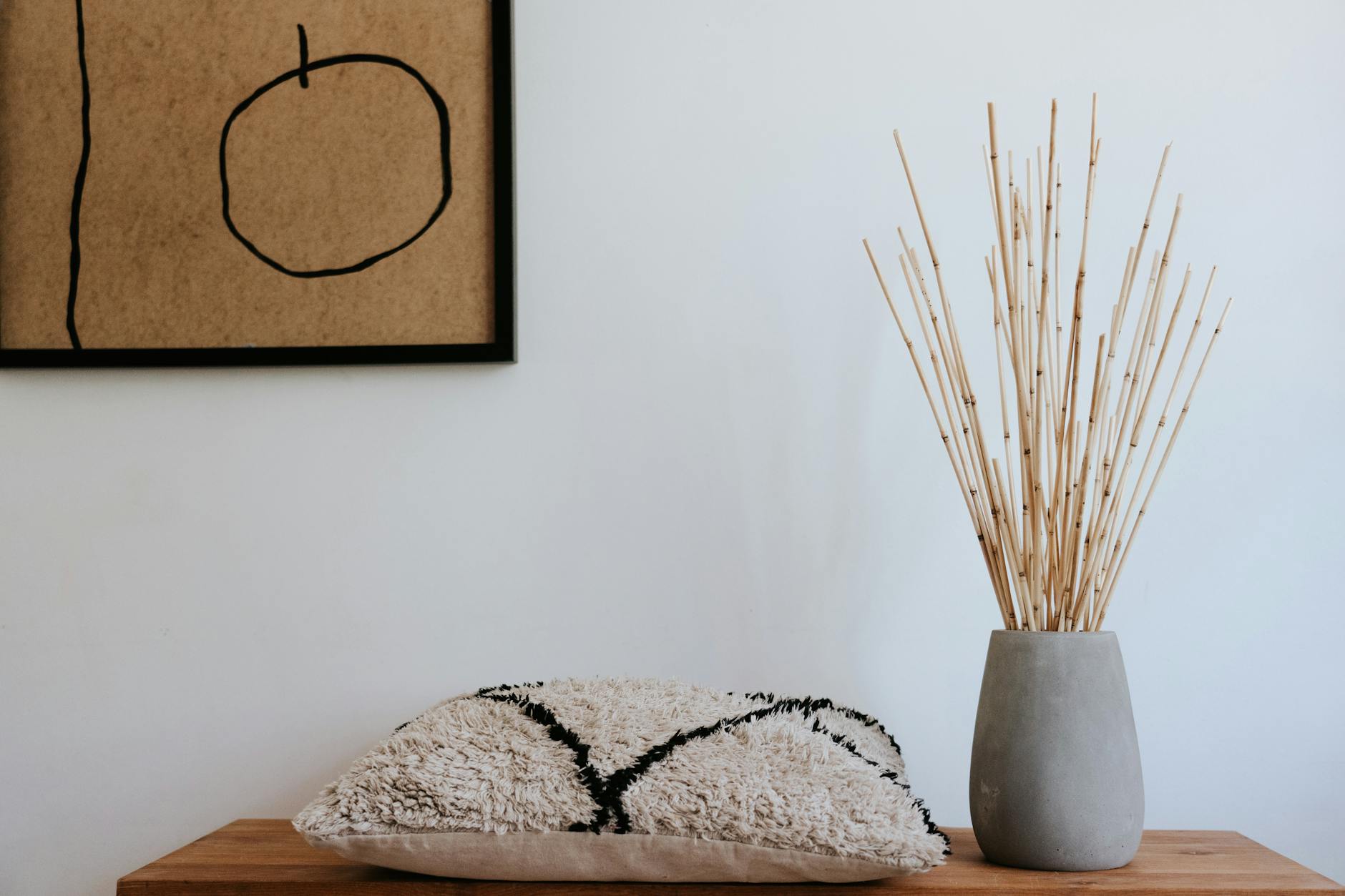
The Essence of Japandi Design
At its core, Japandi combines the best of two worlds: the rustic warmth of Scandinavian design and the understated elegance of Japanese aesthetics. The goal is to create spaces that evoke calmness while promoting functionality. Japandi emphasizes natural materials, organic forms, and muted color palettes, allowing each piece to shine without overwhelming the senses.
To achieve the essence of Japandi in your home, it’s important to focus on the following principles:
- Minimalism: Keep decorations to a minimum, choosing items that add value and meaning to the space.
- Natural Materials: Incorporate wood, bamboo, stone, and textiles that bring a tactile quality to your interiors.
- Neutral Colors: Opt for earthy tones, soft greys, and pale pastels, which promote a tranquil atmosphere.
- Functionality: Select furniture and decor that serve practical purposes, emphasizing craftsmanship and longevity.
Adhering to these principles can create a space that feels cohesive and thoughtfully curated, perfect for fostering mindfulness and relaxation.
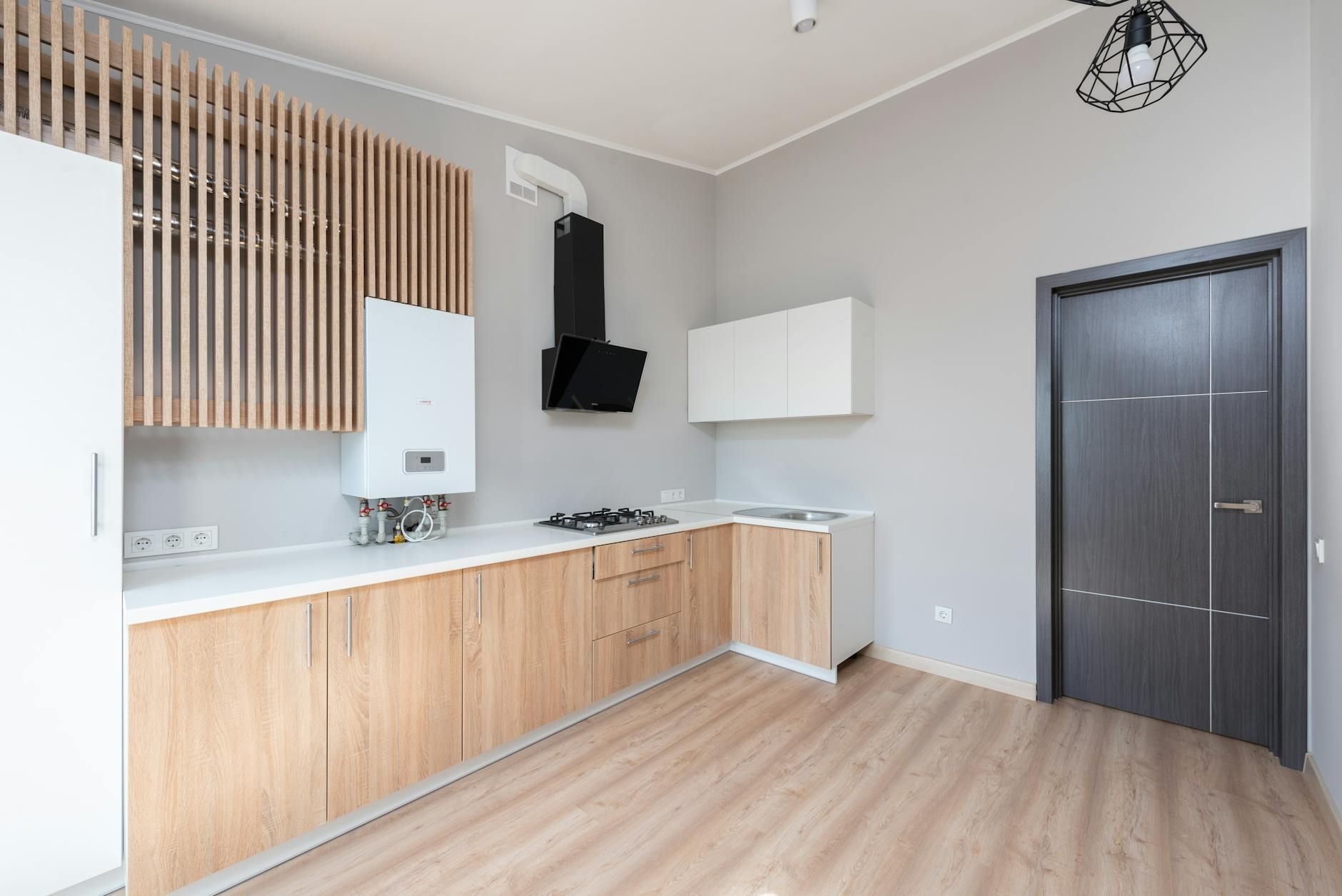
Incorporating Japandi Elements into Your Home
Transforming your home into a Japandi haven doesn’t require a complete redesign; small adjustments can make a significant impact. Here are some effective ways to integrate Japandi elements into various spaces in your home:
Living Room
To create a Japandi-inspired living room, focus on comfortable yet minimalist furniture. Choose a low-profile sofa in a neutral fabric and accentuate it with wooden coffee tables or side tables crafted from reclaimed wood. Adding a statement piece, such as a large plant or a piece of traditional Japanese art, can enhance the space while maintaining simplicity. Lighting is also crucial—consider pendant lights made from natural materials like rattan or paper to create a warm ambiance.
Kitchen
The kitchen is often the heart of the home, and a Japandi approach can make it a serene space for cooking and gathering. Opt for cabinetry in muted wood tones, ensuring that the hardware remains sleek and understated. Use open shelving to display a curated selection of ceramics and glassware—items that reflect both functionality and aesthetics. Incorporating indoor herbs or succulents can not only beautify your kitchen but also connect it to nature.

Bedroom
Your bedroom should be a sanctuary of rest. In a Japandi-style bedroom, prioritize a platform bed made from natural wood, paired with simple bedding in soft hues. Keep decor minimal—perhaps a single artwork or a handmade ceramic vase on a bedside table. Consider incorporating tatami mats for authenticity and additional texture, along with thick, cozy throws for warmth during colder months. The focus here is to create a tranquil environment conducive to relaxation and mindfulness.
Bathroom
The bathroom can also adopt the Japandi ethos by emphasizing clean lines and natural materials. Opt for a freestanding bathtub surrounded by wooden elements for a spa-like feel. Choose towels and accessories in soft, neutral colors to maintain a cohesive look. Natural light should be maximized; consider frosted glass windows or large mirrors to create the illusion of space and clarity. Incorporating plants, such as peace lilies or bamboo, can add a lively touch while enhancing the calming atmosphere.
Color Palettes and Textures
Color plays a vital role in Japandi design. The palette is typically composed of soft, muted tones that evoke serenity. Think about shades of beige, taupe, soft greens, and dusty blues. These colors work harmoniously to create a cohesive environment that feels both inviting and grounded.
The texture is another essential aspect of Japandi. Pair smooth, clean lines with rougher surfaces for a juxtaposition that adds depth and interest to your space. For example, a sleek concrete wall can be softened by the warmth of a wooden bench or natural fiber baskets. Layering textures invites a tactile experience that enhances the overall aesthetic while remaining true to the Japandi philosophy.
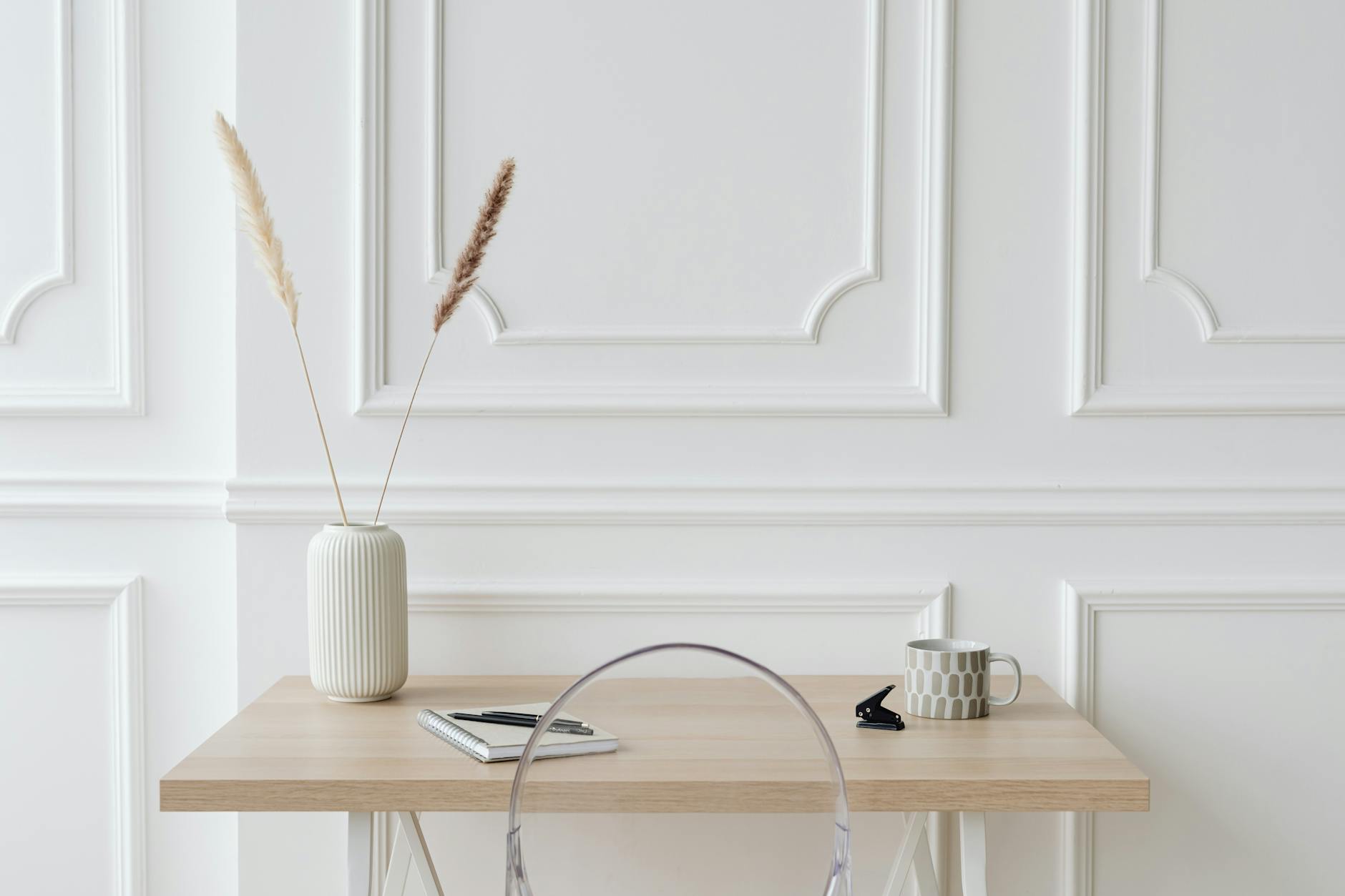
Practical Tips for Achieving a Japandi Look
Implementing Japandi style in your home can be both fun and rewarding. Here are some practical tips to help you achieve the perfect blend of Japanese and Scandinavian design:
- Declutter: Start by removing unnecessary items that do not serve a purpose or bring you joy. A clutter-free environment is fundamental to achieving a minimalist look.
- Invest in Quality: Focus on quality over quantity. Choose durable, well-crafted pieces that will stand the test of time and add character to your space.
- Mindful Purchasing: When buying decor, consider each piece’s significance and how it contributes to the overall harmony of your home.
- Mix Textures: In addition to wood and textiles, consider incorporating ceramics, glass, and metal to create a multi-dimensional aesthetic.
By keeping these tips in mind, your home can effortlessly reflect the understated elegance that is central to the Japandi style.
In conclusion, embracing the Japandi aesthetic allows you to cultivate a living space that radiates calmness and functionality. By thoughtfully integrating elements from both Japanese and Scandinavian design, you can create a beautiful environment that fosters peace and connection with nature. Take inspiration from the principles outlined in this article and embark on your journey towards a serene, Japandi-inspired home.