
In today’s world, where urban living often means compact spaces, designing a functional small space is both an art and a science. Whether you reside in a cozy apartment, a tiny house, or simply want to optimize a small room within your home, making the most out of limited square footage is essential. The goal is to create an environment that is not only aesthetically pleasing but also maximally functional.
Understanding the Essentials of Small Space Design
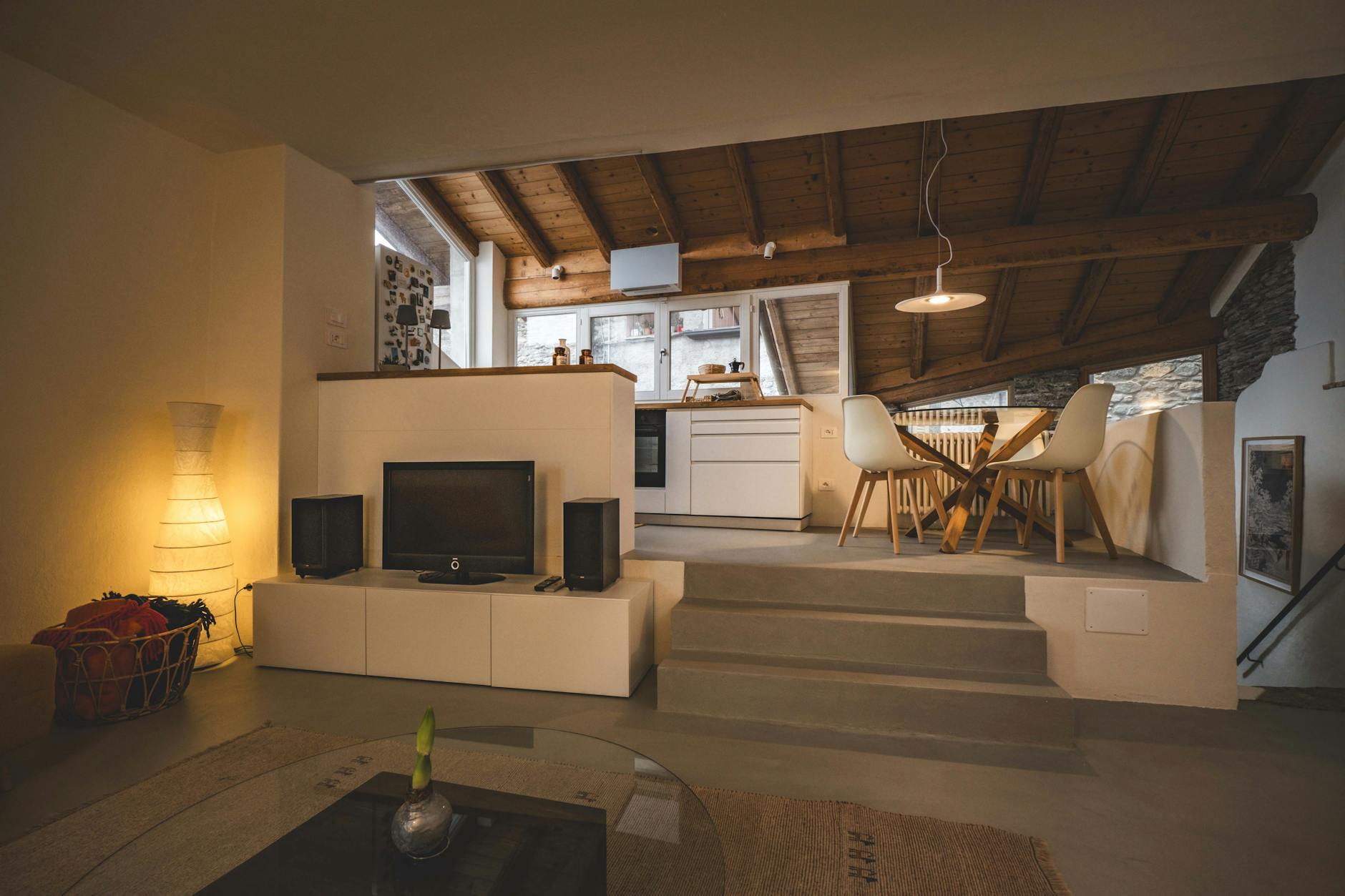
When it comes to small space design, understanding the fundamentals can greatly enhance your approach. The first step is to assess your needs and the functionality of the space. What activities will take place in this area? Do you need a workspace, a sleeping area, or perhaps a place to entertain? Once you’ve identified the core functions, it becomes easier to tailor your design choices accordingly.
For instance, consider the layout of your space. Open floor plans can be advantageous as they create a sense of expansiveness, but they require thoughtful zoning to delineate different areas. Using rugs or furniture placement can help define spaces while avoiding any physical barriers that could clutter the area. It’s crucial to create an intuitive flow that allows movement without obstruction.
Maximizing Vertical Storage and Multi-Functional Furniture
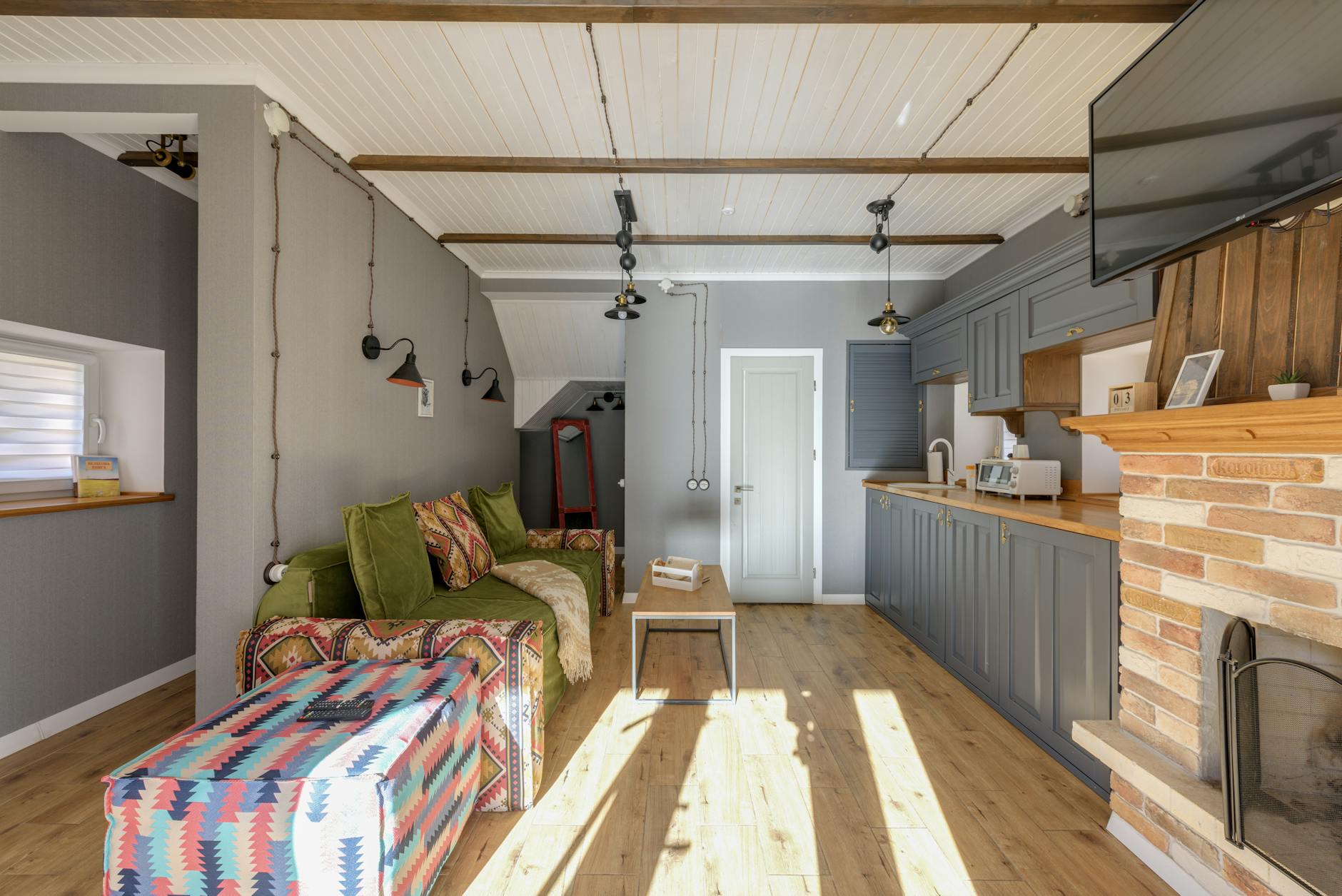
In small spaces, the floor area is often at a premium, which is why maximizing vertical space and employing multi-functional furniture is key. Vertical storage solutions, such as wall-mounted shelves, hanging organizers, and tall cabinets, can help utilize the often-overlooked wall space. This approach not only declutters surfaces but also draws the eye upward, giving an illusion of height and openness.
Multi-functional furniture is a game-changer. A sofa bed can serve as both a comfortable seating area during the day and a sleeping space at night. Dining tables that can be extended or have built-in storage are also viable options. When selecting furniture, look for pieces that offer hidden storage, such as ottomans with compartments or coffee tables with shelving underneath. These choices can significantly reduce clutter, making the space feel larger.
Color and Lighting: Creating an Illusion of Space
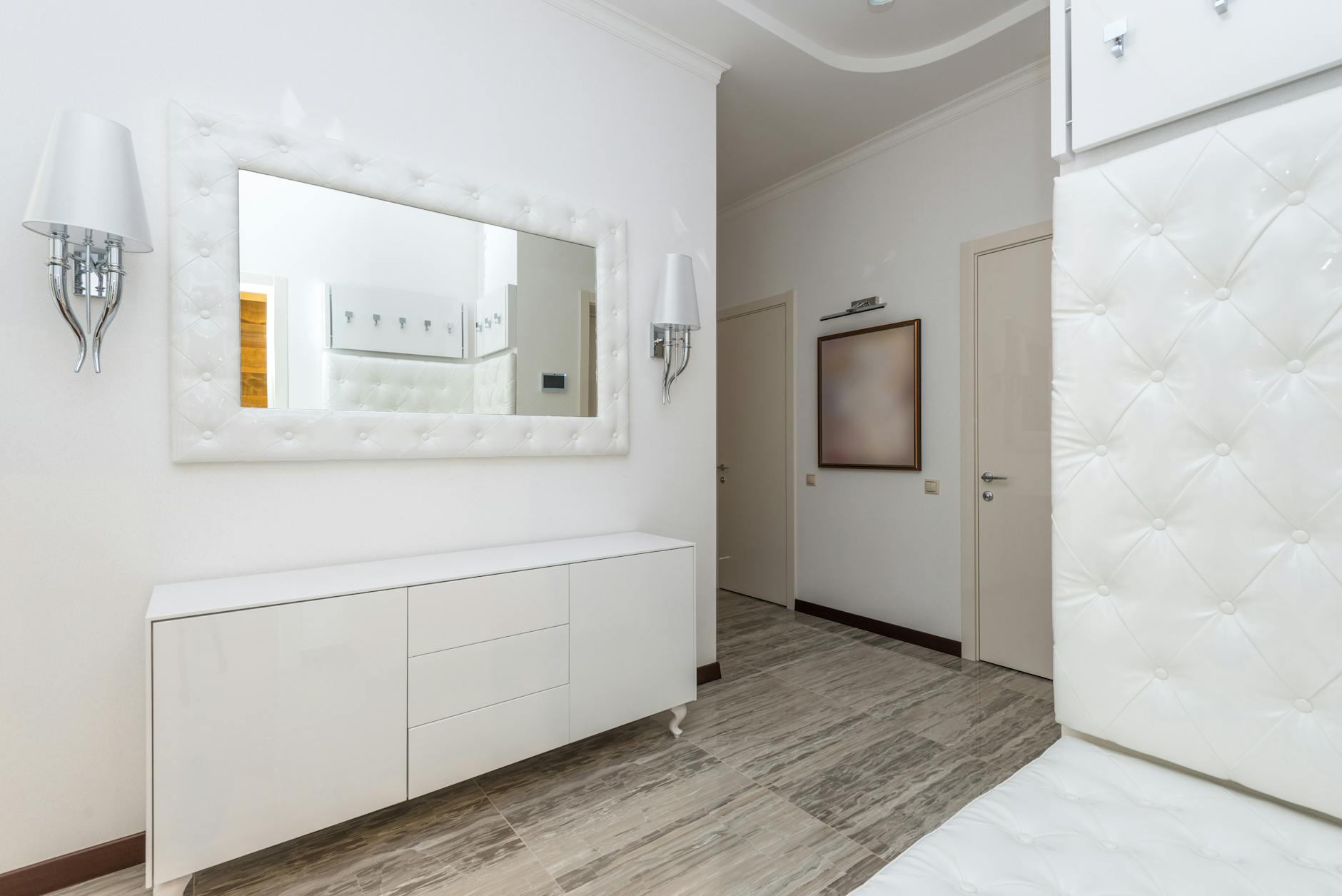
Color and lighting play a pivotal role in how a small space feels. Opt for a light color palette to create an airy atmosphere. Soft whites, pastels, and even light grays can make a room feel larger and more open. Consider using an accent color sparingly to inject personality without overwhelming the space. Additionally, using mirrors strategically can create depth and reflect light, further enhancing the sense of space.
Lighting is another critical aspect of small space design. Natural light can dramatically influence the feel of a room. If your space has windows, keep window treatments light and airy to allow as much light in as possible. Layered lighting, which combines ambient, task, and accent lighting, can create warmth and dimension. For instance, using pendant lights or wall sconces can free up valuable table space while providing focused illumination.
Personal Touch and Smart Decor Choices
While functionality is key, personalizing your small space with decor can make it feel like home. Choose a few statement pieces, such as bold artwork, a unique rug, or colorful cushions, that reflect your style without overwhelming the space. Instead of cluttering the walls with multiple frames, consider a gallery wall that combines various elements in a cohesive manner.
Plants are another great way to add life to a small space. Vertical gardens, hanging planters, or even a single large plant can enhance aesthetics without taking up much ground space. Seasonal decor can also be rotated in and out to keep the space feeling fresh and vibrant throughout the year.
Embracing Minimalism and Intentionality
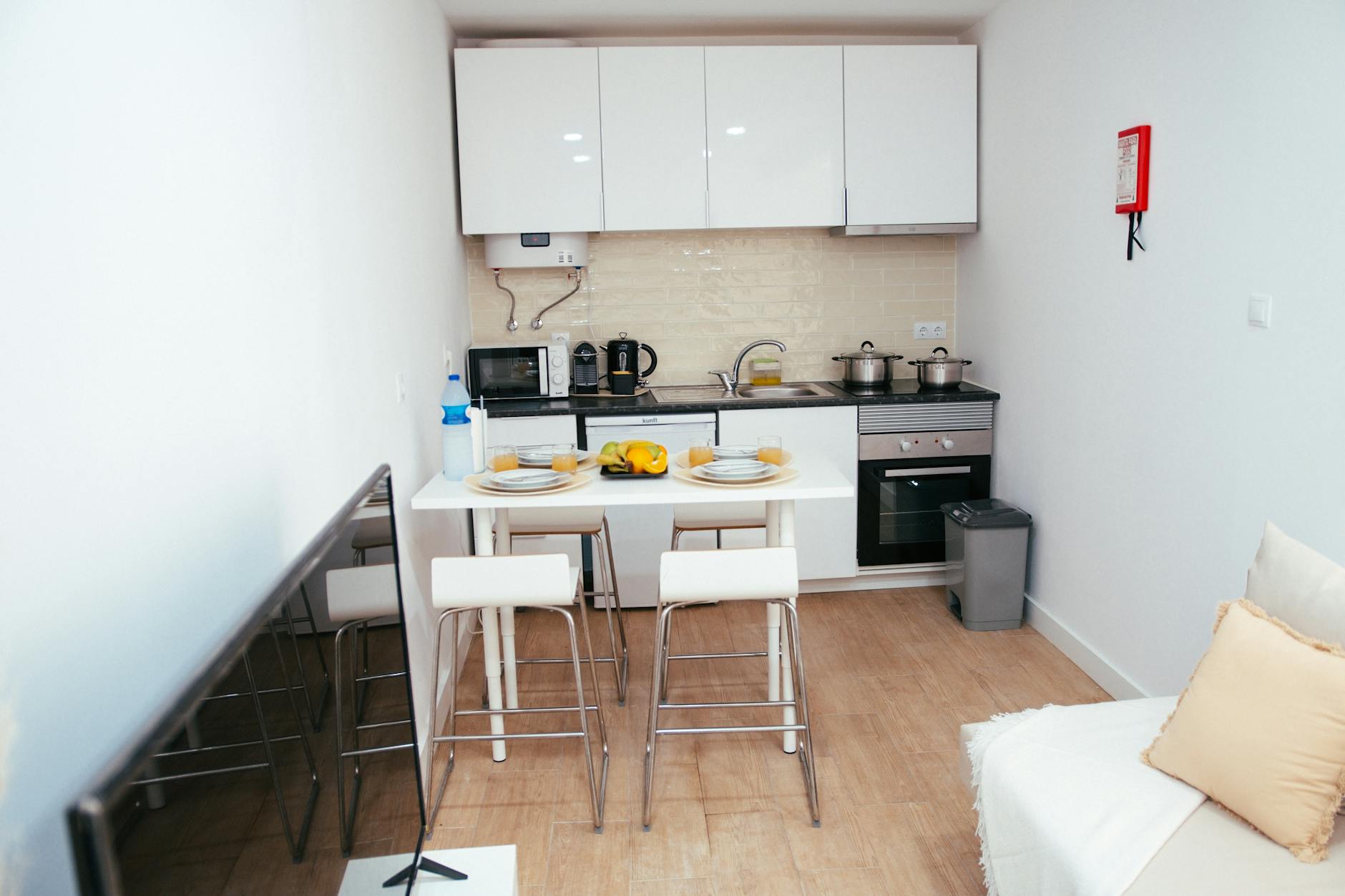
Minimalism is an approach that can be particularly beneficial in small space design. By focusing on what truly matters and eliminating excess, you can create a more serene environment. Ask yourself if each item in your space serves a purpose or brings you joy. If not, consider donating or recycling it. Intentionality in decor and furnishings will make the space feel more curated and less chaotic.
Additionally, consider adopting a ‘one in, one out’ rule to maintain clarity and organization. Each time you bring something new into your small space, ensure that something else is removed. This strategy helps to keep clutter at bay and ensures that every item you own continues to hold value.
Final Thoughts: The Joy of Living in a Small Space
Designing a functional small space can be a rewarding endeavor, allowing you to create a personal sanctuary that meets all your needs. By understanding the essentials of space design, maximizing vertical storage and multi-functional furniture, and utilizing effective color and lighting strategies, you can craft an inviting atmosphere that reflects your style while being practical.
Remember that small spaces can be both beautiful and efficient. Embrace the constraints, implement smart design choices, and you may find that living in a small space brings about a unique joy—one that emphasizes simplicity, creativity, and a deep connection to your surroundings.