
In a world of ceaseless change, where technology evolves at lightning speed and the hustle of modern life envelops us, I stumbled upon a hidden gem that seemed to exist in a time capsule. Nestled within rolling hills and surrounded by ancient woods, the village of Elderwood had managed to preserve its essence—a hauntingly beautiful reminder of life 200 years ago. This extraordinary experience was not just a journey into the past but also an exploration of what it means to live in harmony with nature, history, and community.
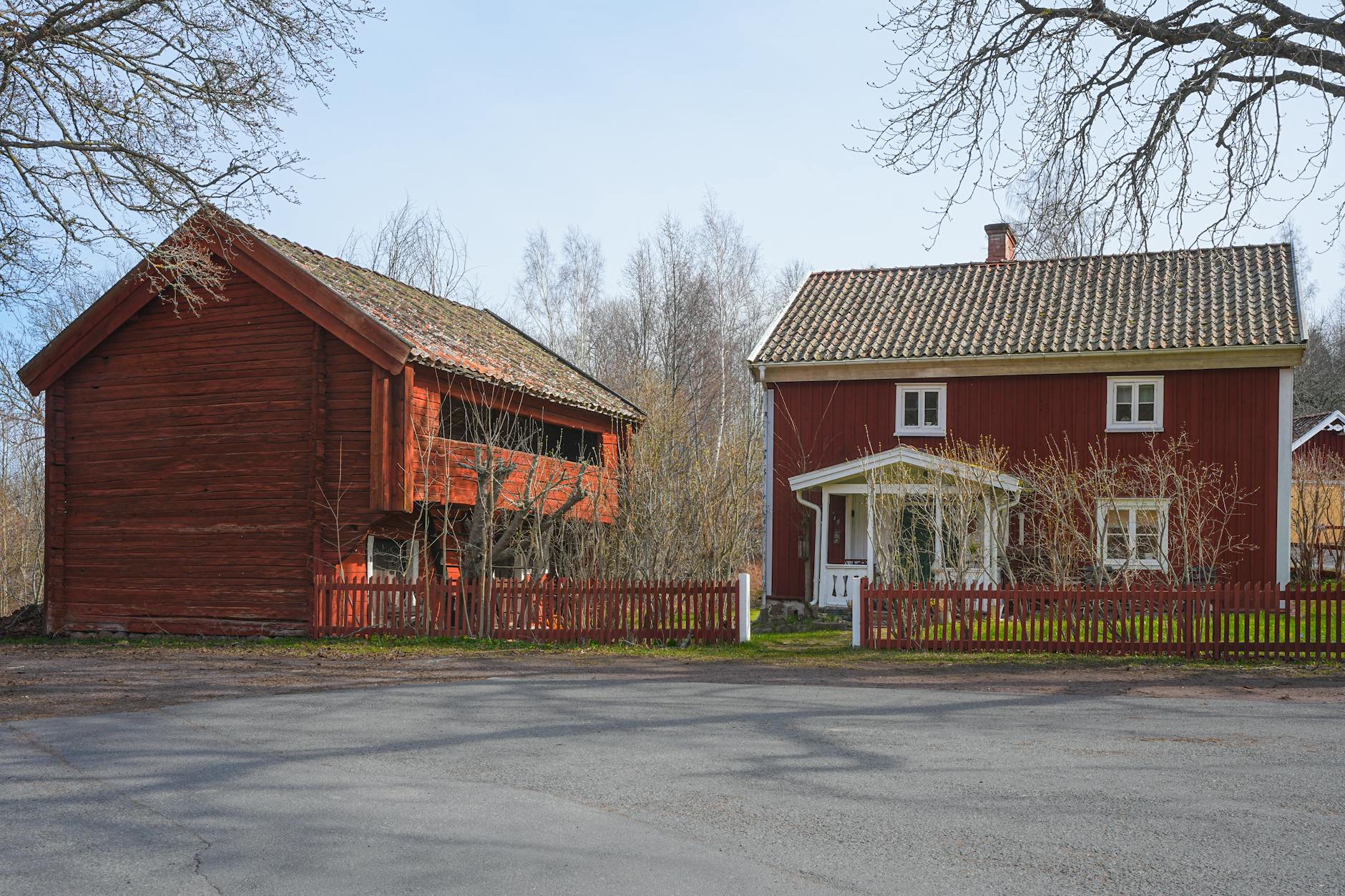
The Discovery of Elderwood
My discovery of Elderwood was entirely accidental. During a road trip aimed at exploring the scenic backroads of England, I took a wrong turn and found myself winding down a narrow, tree-lined path. The air was thick with the scent of damp earth and blooming wildflowers, and as I approached a small sign hanging crookedly on a wrought-iron gate, it read “Welcome to Elderwood.” Little did I know, this village would reveal more than just quaint architecture and picturesque views.
As I entered Elderwood, the atmosphere shifted. Horse-drawn carts were the main mode of transport, and the familiar hum of machinery was replaced by the chirping of birds and the rustle of leaves. The villagers, clad in garments reminiscent of the 19th century, greeted me with a warmth that felt almost surreal. It was as if I had stepped into a living history museum, yet it was all so real and vibrant.
A Glimpse into Daily Life
The villagers of Elderwood practiced a lifestyle that was steeped in tradition and community. Daily activities revolved around agriculture, craftsmanship, and local markets. I found myself captivated by women weaving baskets and men tending to fields using methods long forgotten by most of the world. Their commitment to time-honored techniques was palpable; it was more than just work—it was a way of life.
“Life in Elderwood is about balance,” explained Martha, a spirited woman who ran the village bakery. “We embrace the old ways, but we also learn from the land. Each season brings its challenges and rewards.”
Elderwood’s calendar was dictated by the seasons rather than the incessant tick of a clock. Festivals celebrated the harvests with communal feasts, music, and dance, while winter months were dedicated to crafting and storytelling by the hearth. The villagers emphasized sustainability and self-sufficiency, embodying values that resonate deeply in today’s climate-conscious conversations.
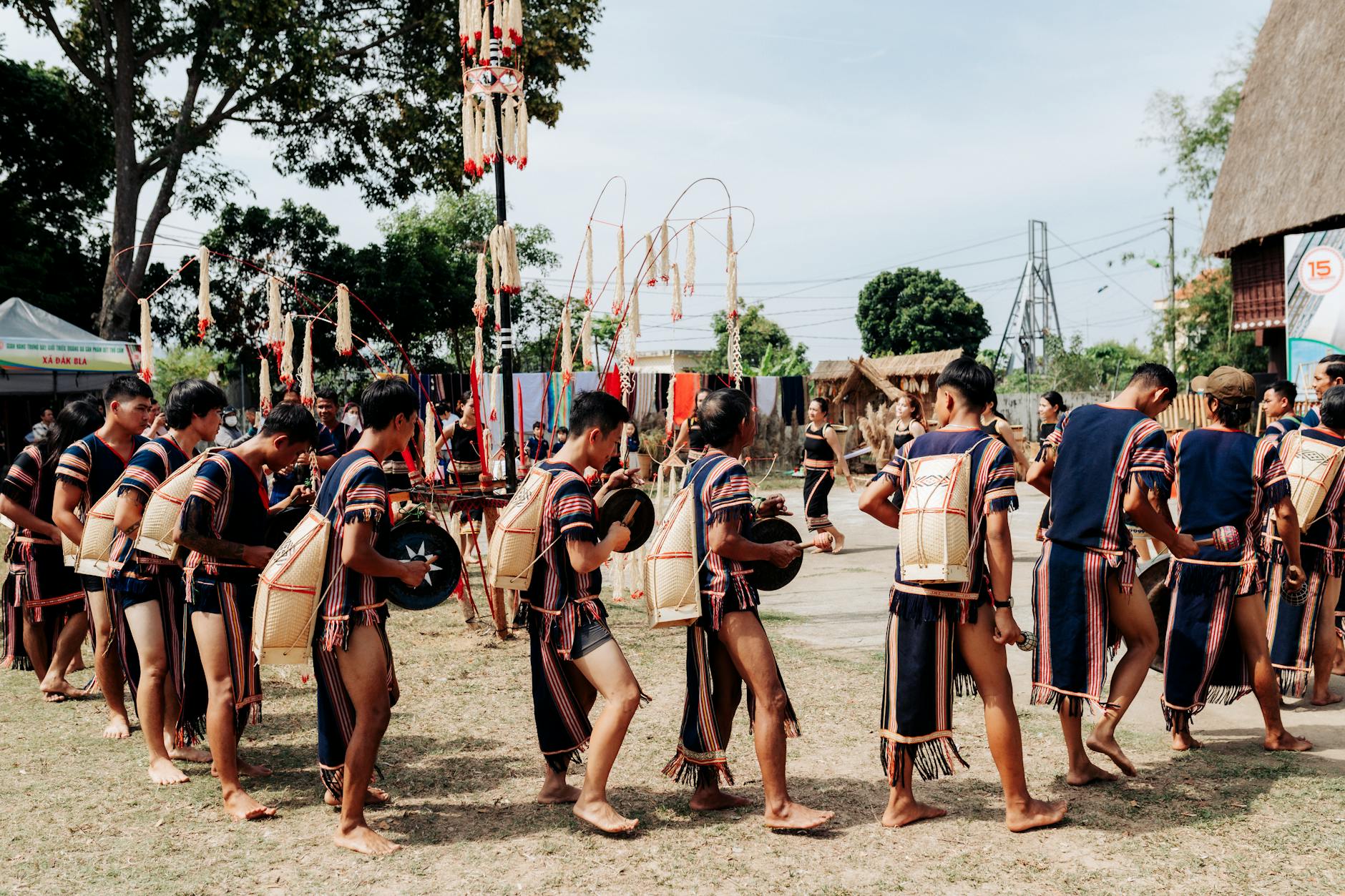
Architecture and Preservation of History
The architecture of Elderwood was a significant testament to its history—timber-framed houses with thatched roofs, cobblestone streets, and a central market square anchored by an ancient oak tree. Each structure told a story, from the blacksmith’s forge to the quaint apothecary filled with jars of herbs. Preservation efforts were evident; the villagers had come together to maintain their heritage rather than allowing modern developments to encroach upon their lives.
Interestingly, Elderwood was designated as a heritage site, which helped protect its unique character. Local historians had painstakingly documented the village’s progression from its founding days to the present. Guided walks were offered by long-time residents who recounted legends of the past, providing not only an educational resource but also a vital connection between generations.
The Impact of Modernity
Though Elderwood relished in its historical charm, it was not entirely isolated from modern influences. The juxtaposition of ancient practices and contemporary needs sparked fascinating conversations among residents. Mobile phones occasionally buzzed in the background, and discussions around climate change and digital literacy hinted at the village’s willingness to adapt without losing its identity.
“Embracing change doesn’t mean discarding our roots,” said Thomas, a young farmer engaged in a project to integrate solar energy into their communal barn. “We are part of a larger world, and we must learn to coexist.”
While the village sought to preserve its way of life, there was a palpable enthusiasm for dialogue about the future. This awareness kept Elderwood from being a mere relic of the past; instead, it was a living experiment in blending history with modern realities.

Reflections on My Journey
As my time in Elderwood came to an end, I felt profoundly changed by the experience. The village offered me a glimpse into an alternative lifestyle that many have forgotten in the relentless pursuit of progress. The simplicity and rhythm of life there stood in stark contrast to the busyness of urban existence. I learned not only about the significance of historical preservation but also about the necessity of community, sustainability, and respect for nature.
Leaving Elderwood was bittersweet—each villager waved goodbye as if we were long-lost friends. The echoes of their laughter, the scent of freshly baked bread, and the sight of children playing in the fields lingered in my mind long after I departed. I realized that Elderwood was not just a village where time stopped; it was a sanctuary that reminded us of what truly matters.
Lessons for a Fast-Paced World
In our modern era of rapid change, we often overlook the importance of embracing our history and understanding our roots. Elderwood serves as a reminder that there is value in slowing down, in cherishing moments and connections that make life meaningful. As we navigate through advancements in technology and the pressures of contemporary living, we can draw inspiration from this village to cultivate a lifestyle that honors both our past and future.
Ultimately, Elderwood taught me that time isn’t merely about clocks and calendars—it’s about experiences, relationships, and the legacy we choose to leave behind. Reconnecting with our history might just be the key to a more fulfilling life, no matter where in the world we reside.