
In a world increasingly overwhelmed by clutter and excess, minimalist interior design has emerged as a beacon of simplicity and tranquility. Characterized by its clean lines, open spaces, and an intentional selection of decor, minimalism transcends mere aesthetics; it embodies a lifestyle choice that promotes clarity and peace. This article explores the core principles of minimalist design and offers practical tips on how to create a serene, clutter-free environment that reflects your personal style.
Understanding the Core Principles of Minimalist Design
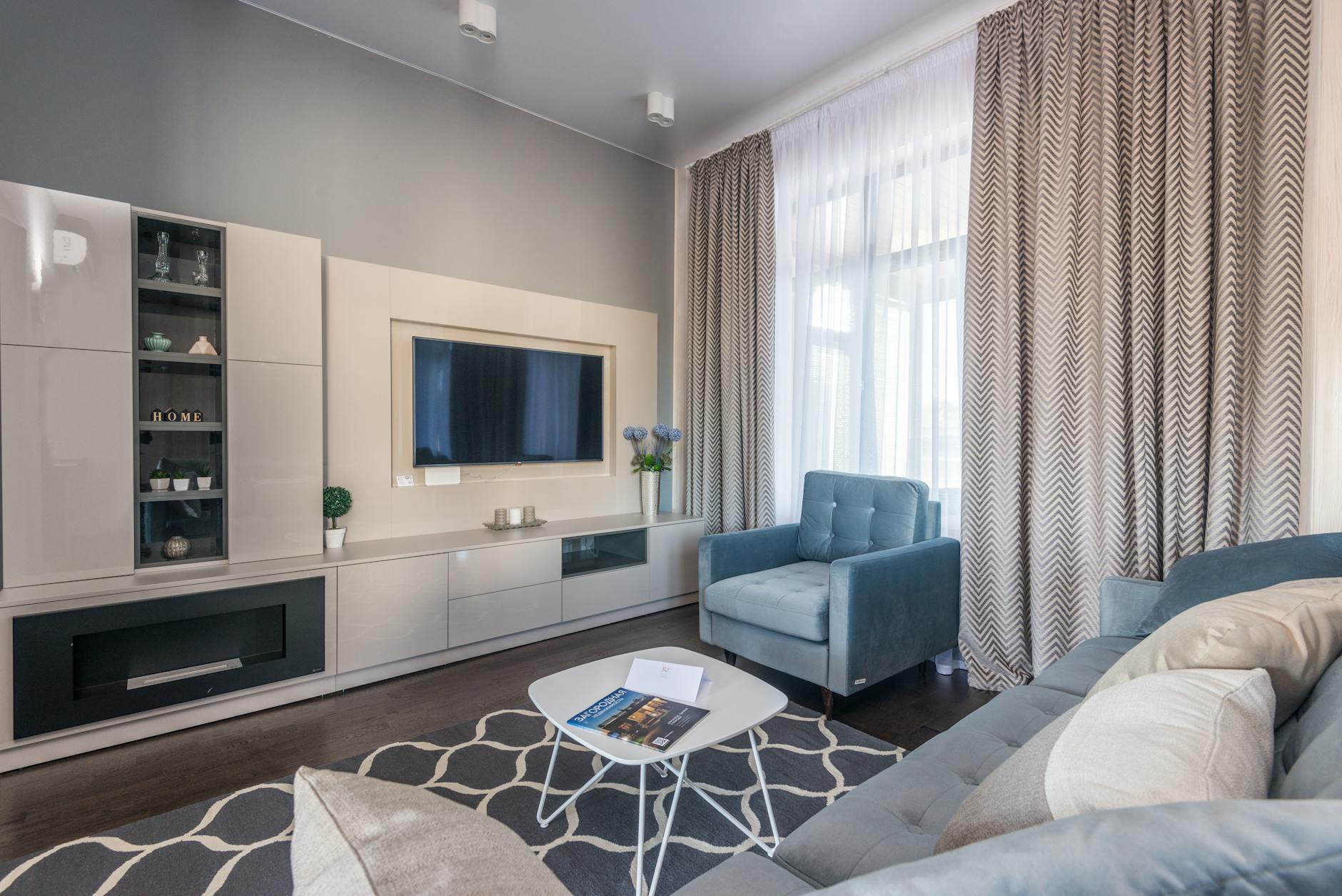
Minimalist interior design revolves around several fundamental principles that guide the creation of a harmonious living space. The first and foremost principle is the concept of “less is more.” This philosophy encourages designers and homeowners alike to simplify their environments by choosing quality over quantity. Instead of filling a space with numerous items, minimalism advocates for a select few pieces that hold significant meaning or functionality. This approach not only enhances the visual appeal of the space but also minimizes distractions, allowing for a more peaceful atmosphere.
Another essential principle is the emphasis on functional design. Every piece of furniture, artwork, or decor item should serve a purpose—be it aesthetic, functional, or both. For example, open shelving can display cherished books or decorative items while also serving as storage, exemplifying the practical application of minimalist principles. By focusing on functionality, individuals can cultivate spaces that are not only striking but also livable.
Additionally, color and lighting play pivotal roles in minimalist designs. A neutral color palette—often dominated by whites, grays, and earth tones—creates a calm backdrop that allows for flexibility in design. Natural light is also a crucial component, as it enhances the spaciousness of a room. Large windows and strategically placed mirrors can amplify natural light, contributing to an airy and open atmosphere.
Practical Tips for Implementing Minimalism in Your Space
Implementing minimalist design principles in your home may feel overwhelming at first, but by taking a systematic approach, you can create an inviting and serene environment. Start with decluttering—an essential first step in any minimalist journey. Go through your belongings and evaluate each item’s significance and utility. Ask yourself: Does this bring me joy? Does it serve a practical purpose? If the answer is no, consider donating, recycling, or discarding the item. By curating your possessions, you will naturally make space for what truly matters.
Once you’ve decluttered, it’s time to focus on your furniture choices. Opt for pieces that are simple yet striking, such as a sleek sofa with clean lines or a geometric coffee table. When selecting furniture, consider its proportion within the space. Larger rooms can accommodate bigger pieces, while smaller spaces benefit from multi-functional furniture that maximizes usability without overwhelming the room. For instance, a storage ottoman can serve dual purposes, providing both seating and concealed storage.
Pay attention to textures and materials as well, as they can add depth to minimalist spaces without compromising simplicity. Incorporating a variety of textures—such as soft wool, smooth leather, and natural wood—can create an inviting atmosphere while maintaining a clean aesthetic. Layering these materials enriches the experience of the space and encourages a tactile interaction that enhances comfort.
Integrating Personal Style into Minimalism
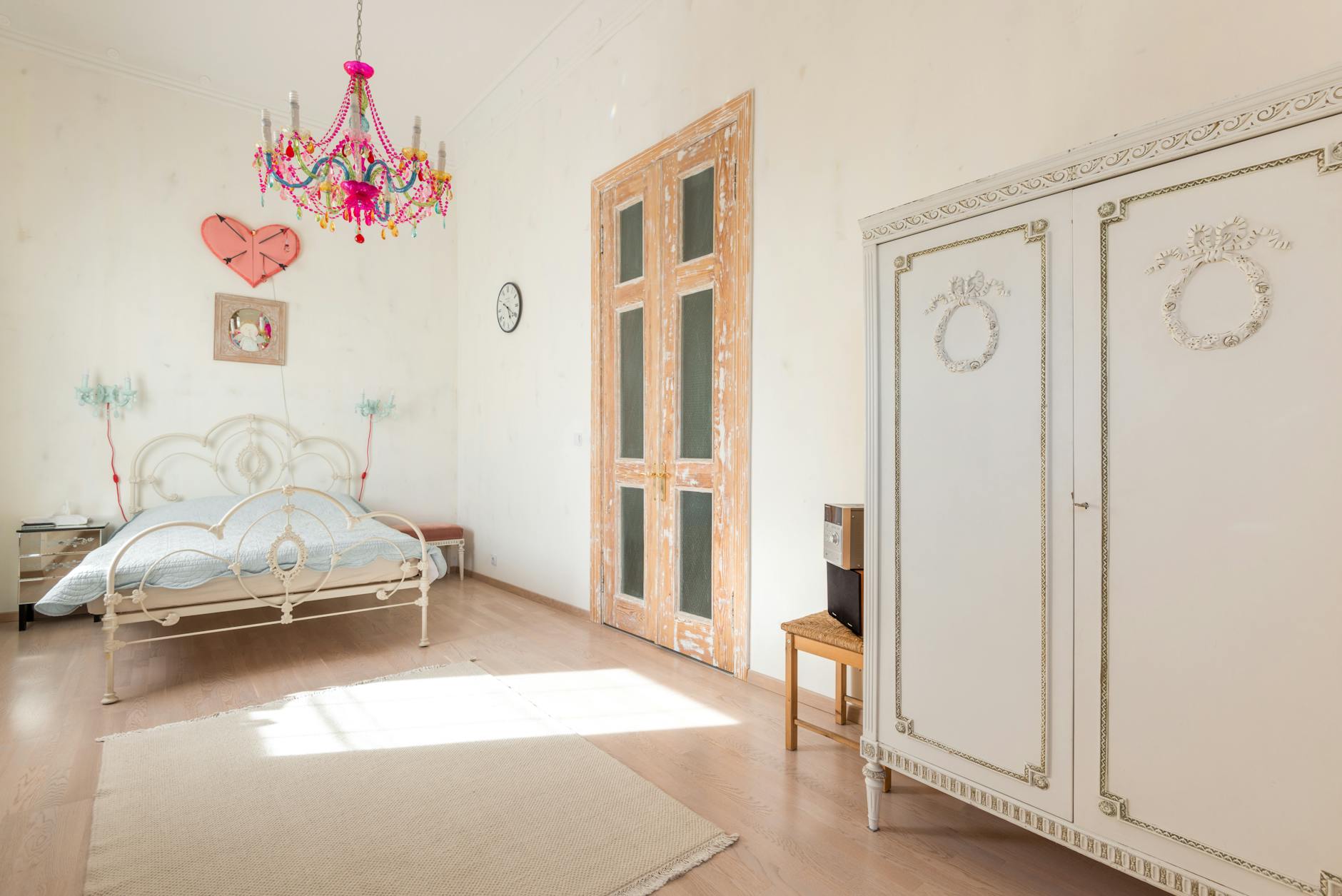
While the essence of minimalism lies in simplicity, it is essential to infuse your personal style into the design. Minimalism does not equate to sterility; instead, it offers a blank canvas for individuality to shine through. Consider selecting a few statement pieces—such as bold artwork, unique sculptures, or handmade accessories—that resonate with you. These items can serve as focal points, drawing attention while remaining harmonious within the overall aesthetic.
Furthermore, plants can be excellent additions to a minimalist space. Not only do they bring a touch of nature indoors, but they also contribute a sense of life and vibrancy. Choose low-maintenance varieties, such as succulents or snake plants, which align with the minimalist ethos by requiring minimal care and attention.
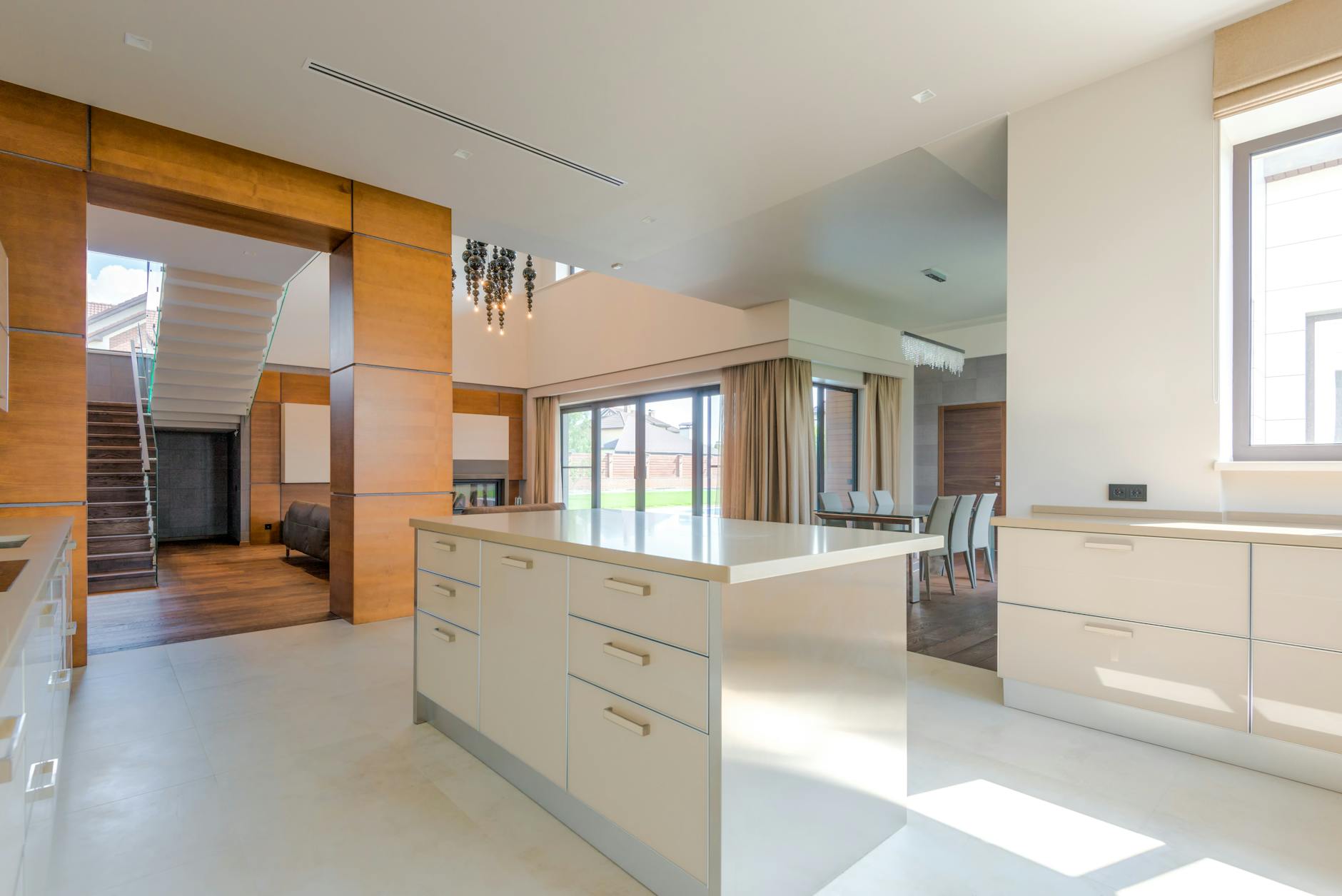
Lastly, be mindful of the layout and flow of your space. Arrange furniture to foster easy movement and accessibility. Open floor plans are a hallmark of minimalist design, but even in smaller areas, consider angles and sightlines that enhance the sense of openness. Avoid overcrowding spaces, and allow for negative space to create a balanced environment that promotes relaxation and focus.
For more inspiration on minimalist designs that embrace personal style, explore this Pinterest board. Discover how others have successfully incorporated minimalism into their homes while expressing their unique aesthetic.
The Psychological Benefits of Minimalist Living
The psychological impact of a minimalist lifestyle is profound. By reducing clutter and simplifying environments, individuals often experience increased focus and reduced stress. A clutter-free space alleviates visual distractions and promotes a sense of calmness, which can lead to better mental health and overall well-being. Studies have shown that a tidy environment can enhance productivity and creativity, making minimalist interiors beneficial not only for aesthetic enjoyment but also for effective living.
Moreover, adopting a minimalist lifestyle encourages mindfulness. It prompts individuals to be intentional about their choices, from what they purchase, how they display items, and even how they utilize their time. This mindfulness can lead to deeper satisfaction with one’s surroundings, as each item is purposefully chosen and appreciated. Thus, minimalist design goes beyond aesthetics; it embodies a philosophy that encourages a more thoughtful and fulfilling life.
As you embark on your minimalist journey, remember that it is not about adhering to strict rules but rather finding a balance that resonates with your lifestyle. Embrace the process of simplifying, and allow yourself to revel in the beauty of your curated space. For additional ideas on how to refine your minimalist approach, check out this Pinterest collection.
In conclusion, minimalist interior design is more than just a trend; it is a holistic approach to living that celebrates simplicity, functionality, and intentionality. By understanding its core principles and implementing practical tips, you can transform your space into a peaceful sanctuary that reflects your personal style while encouraging clarity and mindfulness.