
In contemporary interior design, the quest for creating soothing, inviting spaces often leads us toward nature-inspired aesthetics. Organic texture home styling not only enhances the visual appeal of a room but also fosters a sense of calm and well-being. By integrating natural materials and textures into your home environment, you create a space that feels grounded and connected to the earth. This article explores the principles of organic texture styling, its benefits, and effective ways to implement these ideas in your interiors.
The Allure of Organic Textures
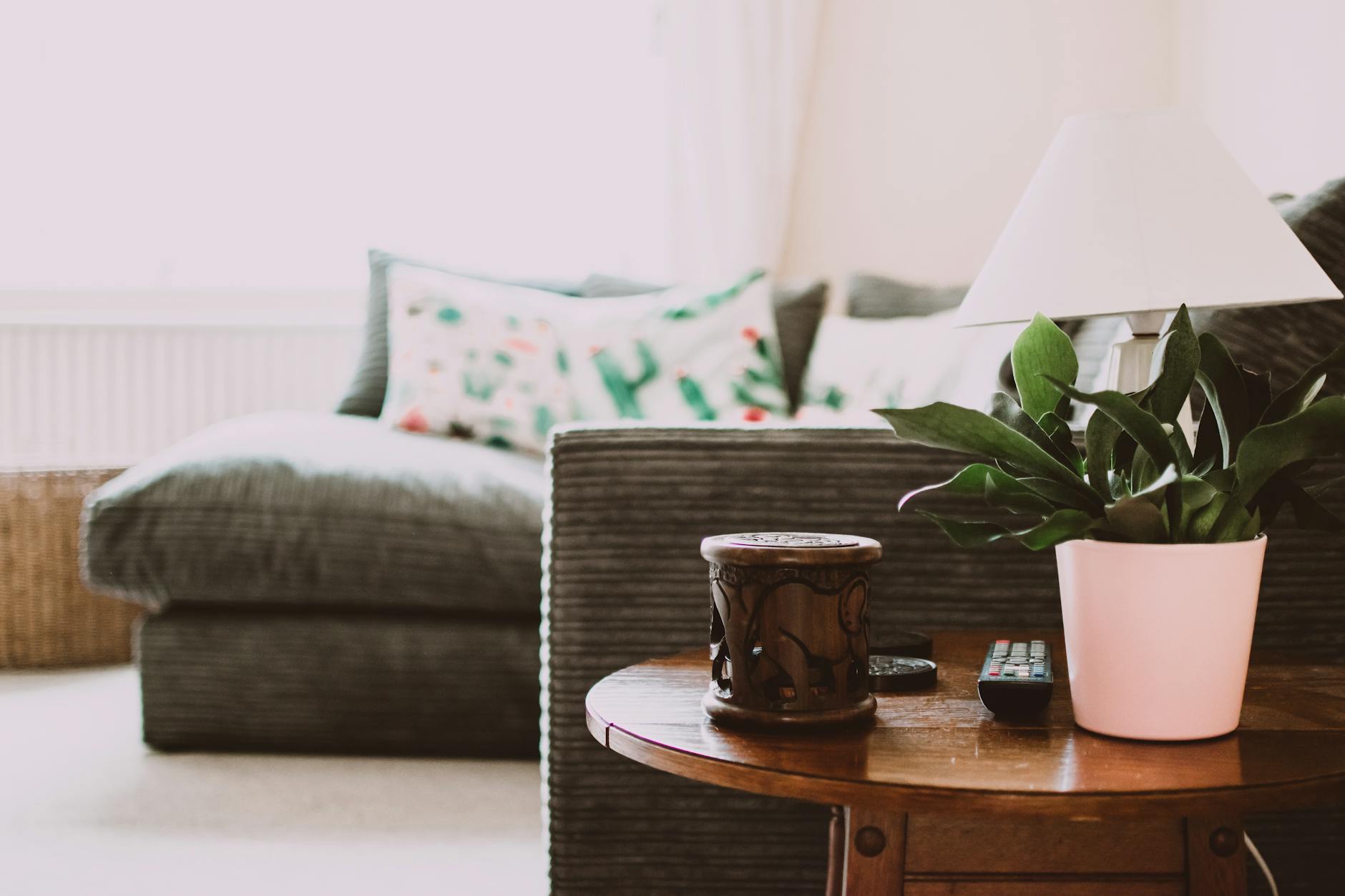
When we speak of organic textures, we refer to materials that are derived from nature, showcasing the innate beauty of their origins. Think of rough-hewn wood, soft linens, stone, and clay, and how they can transform the atmosphere of your home. Organic textures evoke a sense of authenticity; they tell a story and add depth to your interiors. Imagine a living room that features a reclaimed wooden coffee table, draped with a handwoven throw, surrounded by lush greenery—each element holds its own narrative, contributing to a larger tapestry of comfort and style.
Moreover, organic textures contribute to the sensory experience of a space. The tactile qualities of various materials invite touch, encouraging a more engaged, immersive experience in your home. By blending different textures—smooth, rough, soft, and rigid—you create a rich sensory landscape that encourages relaxation and connection, making your living environment not just a place to reside but a sanctuary to unwind.
Bringing Nature Indoors: Material Choices
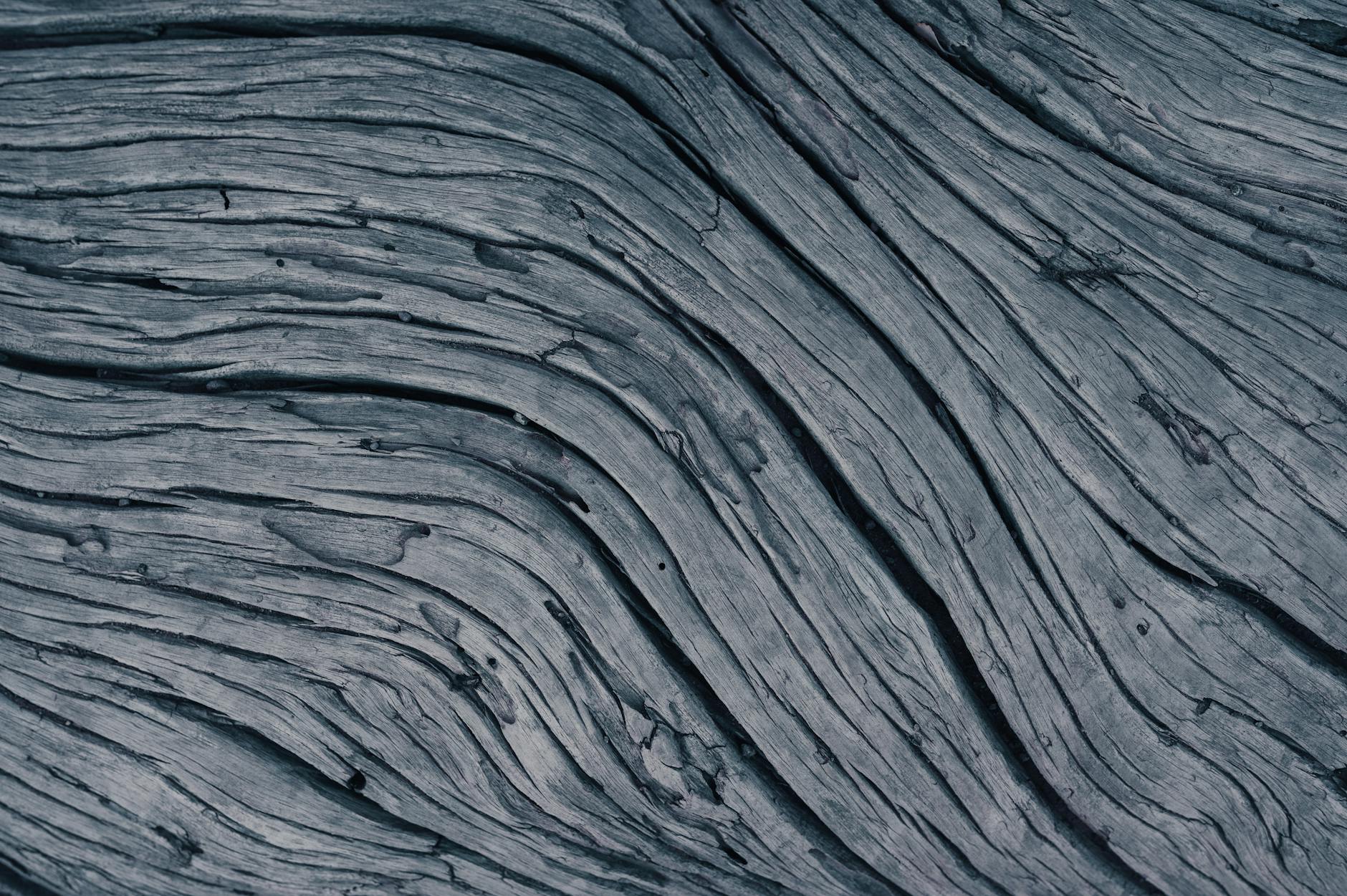
To effectively incorporate organic textures into your home, start with your material choices. Begin by examining what natural elements resonate with your style and blend seamlessly with your existing decor. Wood is a staple in organic styling; its versatility allows for various applications—from reclaimed barn wood for flooring to elegantly sculpted furniture pieces. Emphasizing the natural grains and imperfections of wood adds character and warmth to any room.
Textiles also play a crucial role. Opt for natural fabrics such as linen, cotton, and wool. These materials not only provide comfort but also boast varying textures that can enhance the overall design scheme. A linen sofa, for instance, offers a casual elegance, while a wool rug can introduce softness and warmth to a space. Combine these textiles with handmade accents—like macrame wall hangings or ceramic pottery—to elevate the organic aesthetic.
Additionally, consider incorporating stone features, such as slate or marble, for a chic natural element. A stone fireplace, for example, serves as a stunning focal point, harmonizing beautifully with both modern and rustic designs. Indoor plants further enhance the organic vibe, bringing life and vibrancy while improving air quality. Consider adding a variety of plants ranging from lush ferns to succulents—each contributing unique textures and colors to your environment.
Layering Textures for Depth and Interest
One of the essential principles of organic texture home styling is layering. By combining different materials and textures within the same space, you create visual intrigue and depth. Start by selecting a base material for your larger pieces—furniture or flooring—and then build layers through accents, textiles, and decor items. For instance, a wooden dining table can be complemented with metal chairs, woven placemats, and textured ceramics that tie the entire look together.
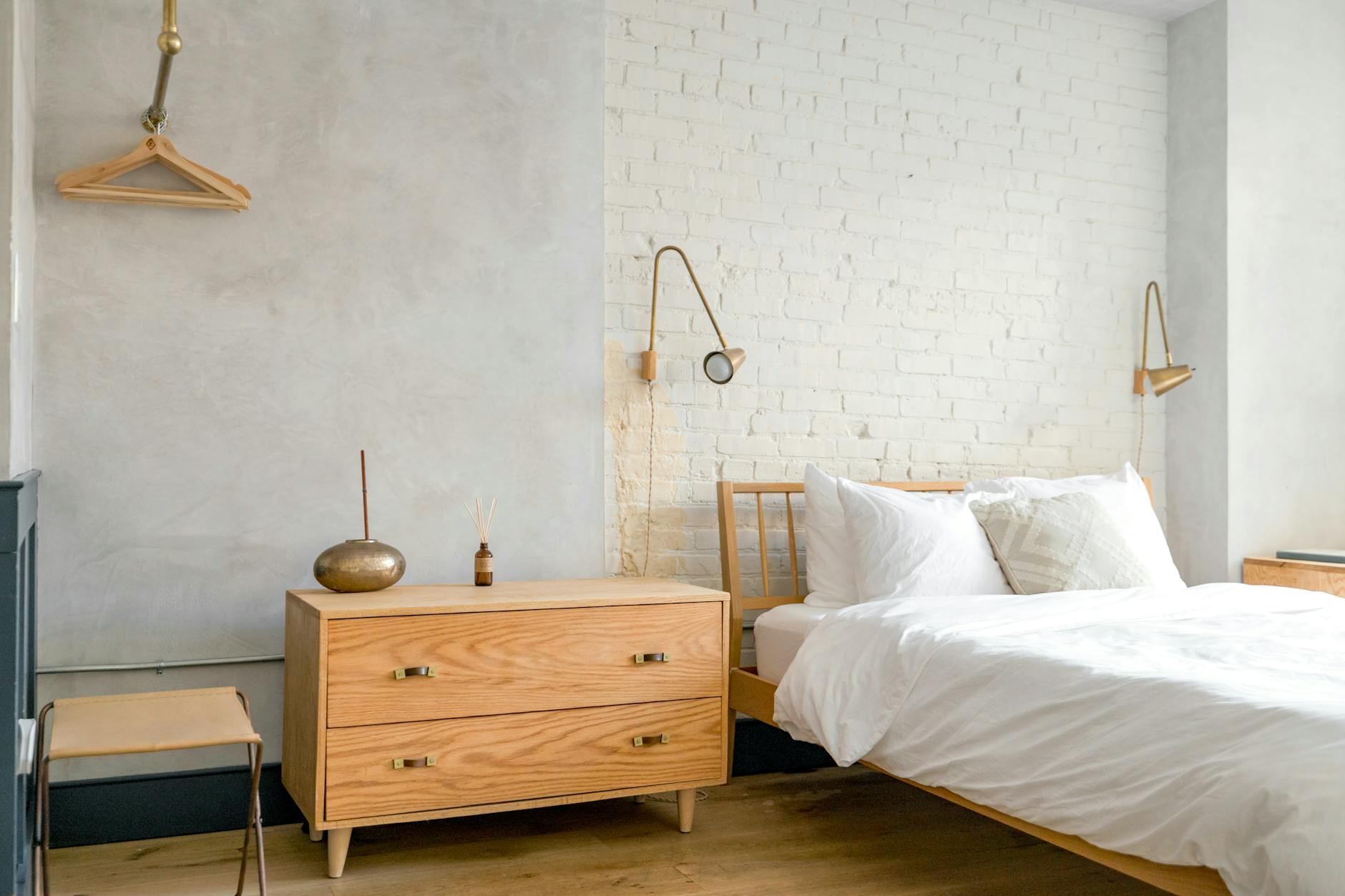
Don’t shy away from mixing various textures. A soft cotton throw on a rugged leather chair, partnered with a fluffy sheepskin rug, creates an inviting layered effect. In bedrooms, consider combining textured bedding with smooth wooden bedside tables and rustic accessories. Each layer should harmonize, resulting in a cohesive design while celebrating the beauty of contrasts.
“The beauty of organic textures lies in their imperfection. Embracing these elements creates not just a visual appeal, but an emotional connection to our living spaces.” – Interior Designer Jane Doe
Creating a Calming Atmosphere with Color
While textures play a fundamental role in organic style, color cannot be overlooked. The palette you choose will significantly influence the ambiance of your home. Aim for earthy tones—greens, browns, warm whites, and soft greys—that echo the colors found in nature. These hues not only complement organic textures but also contribute to a serene atmosphere.
Incorporating natural light is also vital in enhancing your organic styling. Large windows that allow sunlight to stream in can bring out the richness of your textures and colors, creating a dynamic interplay of light and shadow. When choosing paint colors, consider matte finishes that reflect a more subdued elegance, maintaining the focus on the organic textures and materials in your space.
For a bolder approach, use accent colors inspired by nature, such as deep greens or ocean blues, to add vibrancy without overwhelming the calm essence of your organic design. Accessories like cushions, artworks, or vases in these shades can work wonders in creating focal points while still tying back to the organic theme.
Functional Spaces with Organic Aesthetics
As you embark on your journey toward organic texture home styling, it’s essential to consider the functionality of your space. Each element should not only be aesthetically pleasing but also serve a purpose. For instance, an entryway laden with natural textures can create a welcoming atmosphere while providing practical storage solutions. Incorporate wooden benches with woven baskets underneath for shoes or bags, beautifully merging style with purpose.
In workspaces, organic textures can inspire productivity and creativity. Choose a desk made from reclaimed wood paired with a comfortable, textured chair. Surround yourself with greenery to boost mood and air quality, ensuring your workspace remains inviting. Play with decorative items like handmade pottery or textured wall art to enhance the overall theme while keeping the environment focused and motivating.
Ultimately, organic texture home styling is about balance—a harmonious blend of beauty and functionality. By thoughtfully curating your spaces with natural materials, colors, and textures, you build environments that resonate with tranquility and authenticity. As you embark on this design journey, consider how each choice will impact the overall feeling of your home, creating a sanctuary that reflects your values and connection to nature.