In the hustle and bustle of urban life, it’s easy to overlook the historical fabric of our environment. The Old Courthouse, an architectural gem nestled between modern skyscrapers, is a building many pass by daily without a second glance. Yet, its story is rich with tradition, intrigue, and a reflection of societal changes over the decades. This article uncovers the narrative of a structure that has shaped the landscape and lives of those who inhabit this city.
A Glimpse into History
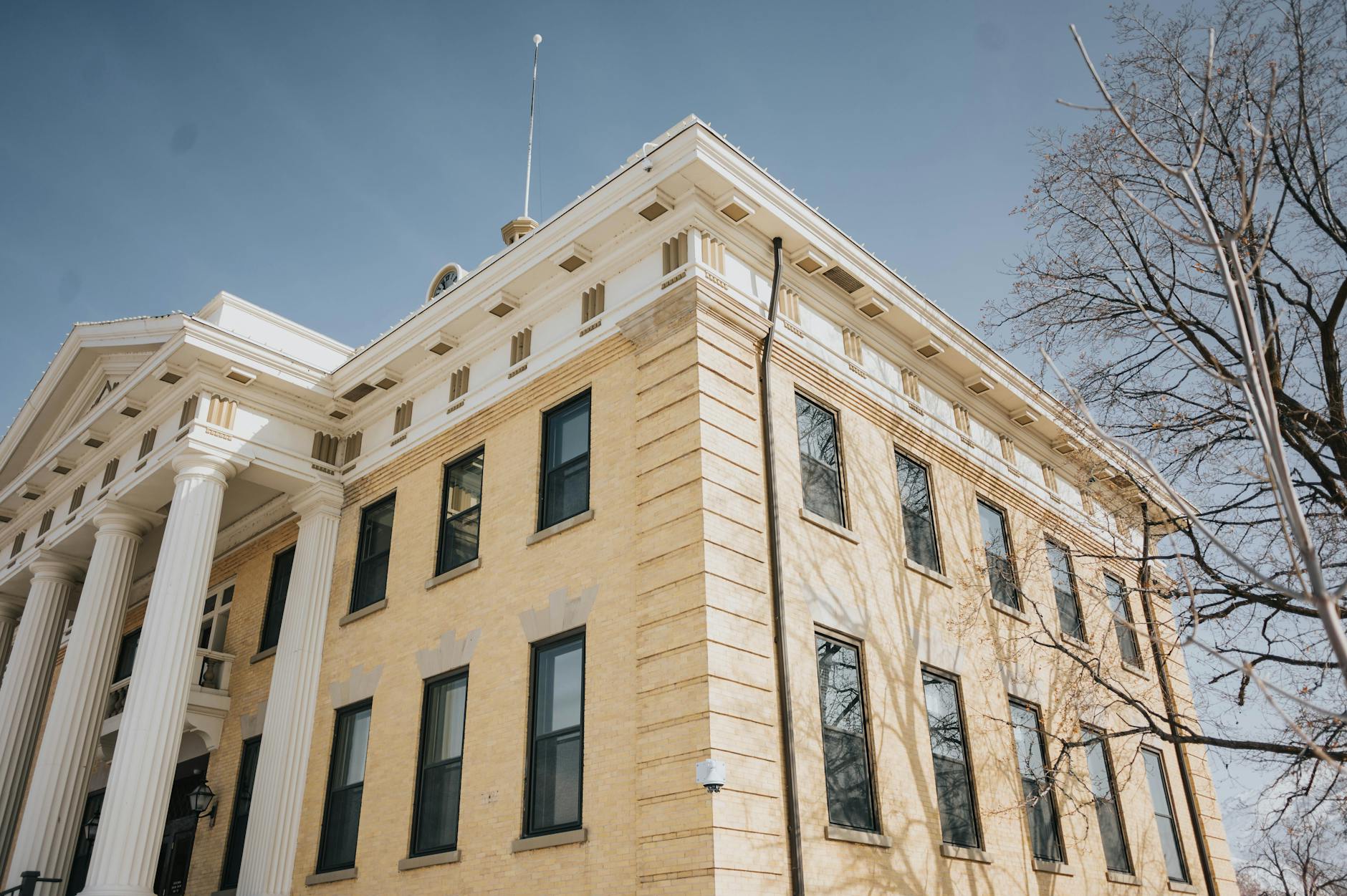
The Old Courthouse, completed in 1897, was designed by the renowned architect Edward J. McClure. Its Romanesque Revival style was all the rage during its construction, characterized by intricate stonework and grand arches. This building was not merely a courthouse; it was a symbol of justice and a hub for public engagement. In its early years, it served as the epicenter of legal decisions that impacted the lives of countless citizens.
As the city expanded, so did the need for a more functional judicial system. Yet, the Old Courthouse stood resilient, witnessing monumental events such as civil rights trials and public protests. The façade, adorned with sculptures and a majestic clock tower, evokes a sense of nostalgia, reminding the public of the city’s heritage. Even as urban development encroaches, it remains a testament to the architectural ambitions of a bygone era.
Architectural Significance and Symbolism
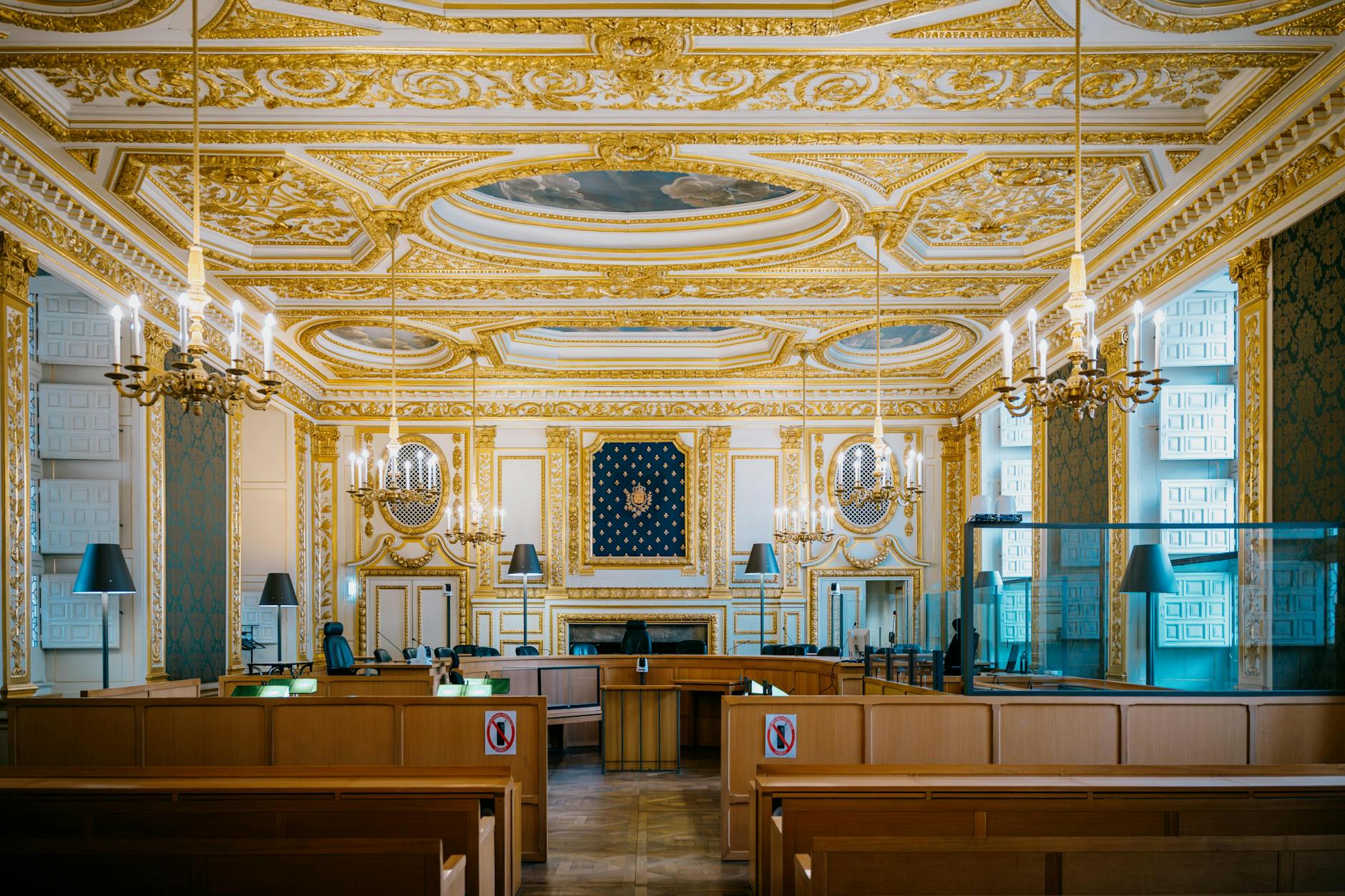
From its grand entrance to the detailed stone carvings, every element of the Old Courthouse is steeped in meaning. The building’s design reflects the civic pride of the era, mirroring the aspirations of a society striving for justice and equality. The large, arched windows are not just aesthetic choices; they were intended to symbolize transparency in the judicial process, allowing natural light to flood the courtroom and illuminate the heart of justice.
Furthermore, the Old Courthouse has been a silent witness to the evolution of legal practices. It was here that pivotal cases have unfolded, influencing legislative changes and societal norms. One can almost hear the echoes of impassioned arguments and decisive rulings that have reverberated within its walls. This building is more than a structure; it embodies the very principles of law, order, and community that are central to our society.
“Buildings have a history, and the Old Courthouse is a monument to the struggles and triumphs fought within its walls. It stands not just as a testament to architectural beauty, but as a beacon of hope for justice.” — Local Historian
Preservation Efforts and Community Engagement
As the years passed, the Old Courthouse faced the threat of neglect and potential demolition. However, the community recognized its historical significance and rallied for its preservation. This grassroots movement led to initiatives focused on restoring the building and repurposing it for modern-day use. The courthouse has transformed into a cultural hub, now hosting community events, art exhibits, and educational programs that connect the past with the present.
In recent years, citizens have taken an active role in revitalizing the courthouse grounds. The establishment of community gardens and open-air markets has helped breathe life back into the area, inviting both locals and tourists to appreciate its beauty. The Old Courthouse now stands not only as a legal institution but as a centerpiece for community gathering, fostering relationships and collaboration among diverse groups.
Modern Challenges and Future Aspirations
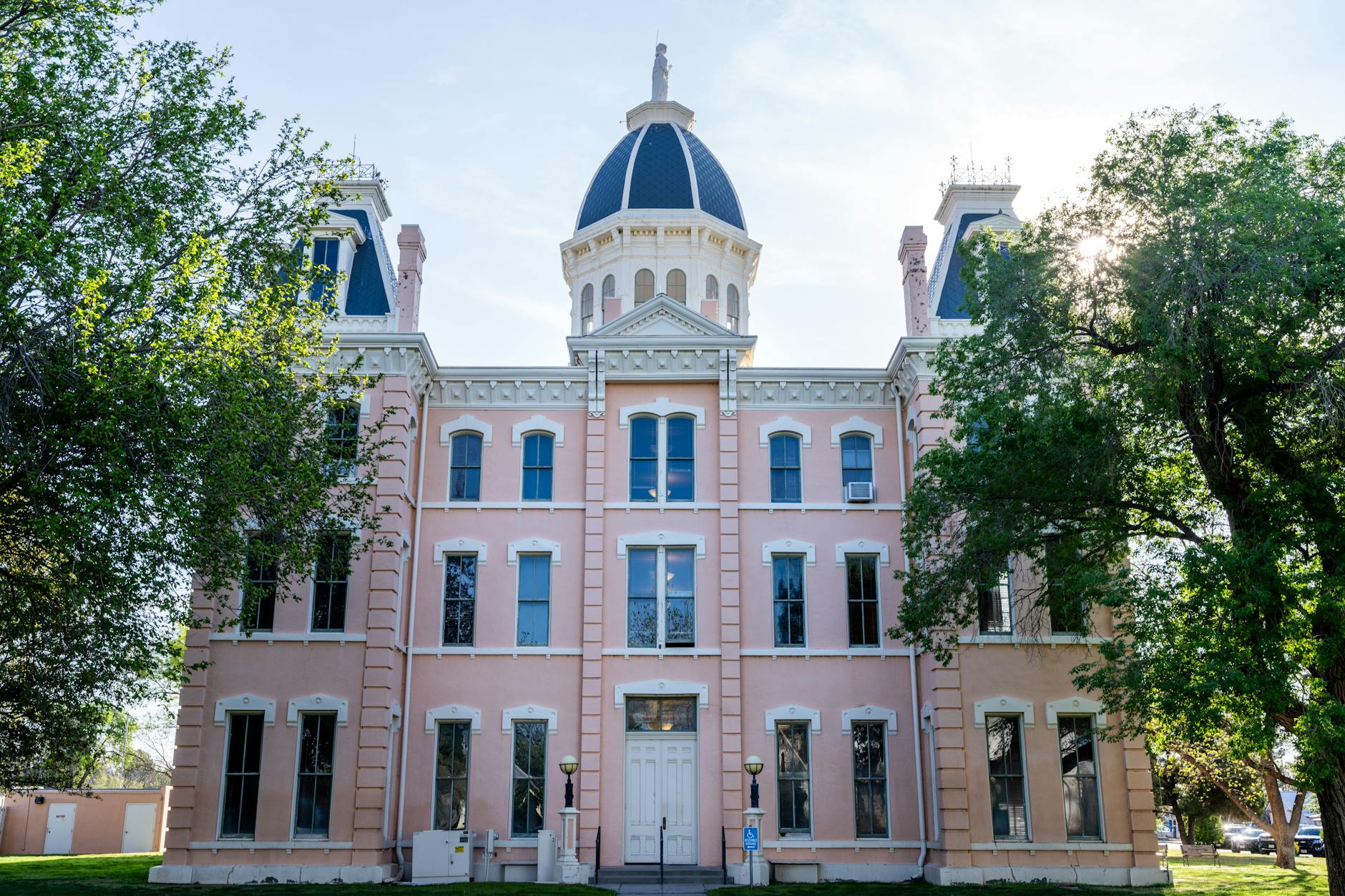
Despite its storied past, the Old Courthouse is not without challenges. As urbanization continues, the building must adapt to remain relevant. Accessibility issues and the need for modern facilities pose hurdles for ongoing engagement with the public. However, the commitment of preservationists and community advocates ensures that the Old Courthouse will not only survive but thrive in the years to come.
Plans are underway to enhance the building’s infrastructure, making it more accessible while respecting its historical integrity. Educational programs are also being designed to involve younger generations in the building’s legacy, ensuring that they appreciate the importance of their local heritage. As they learn about the building’s history, they will carry forward the commitment to preserving spaces that foster justice, equality, and community.
“The Old Courthouse is a living monument. It reminds us of our past while inspiring us to shape the future. Its preservation is not just about the bricks and mortar; it’s about the values we choose to uphold.” — Community Activist
In a rapidly changing city, the Old Courthouse stands proudly, capturing the essence of its history while embracing the future. For anyone who takes the time to look, it is not just a building—it’s a story waiting to be told, a reflection of the struggles and victories that define our community. So next time you walk past, take a moment to admire its architecture, to ponder its rich history, and to acknowledge the vital role it continues to play in our lives.