
Cleaning can often feel like a daunting task, particularly when it comes to those hard-to-reach places in your home. From behind the refrigerator to the corners of cabinets, these areas can accumulate dust and grime, leading to allergens and an overall unclean environment. Tackling these tricky spots with efficiency and the right methods can transform your cleaning routine and significantly improve your home’s hygiene.
The Importance of Sticking to a Cleaning Schedule
To maintain a clean space, it’s essential to establish a regular cleaning schedule. This not only helps you stay organized but also reduces the burden of cleaning harder areas when they become too dirty. Ideally, set aside time weekly to tackle different rooms or sections of your home. This way, you can allocate your energy and time more efficiently, ensuring that less visible areas don’t end up neglected.
Additionally, incorporating deep-cleaning sessions into your schedule—perhaps monthly or quarterly—can be beneficial. These sessions should specifically focus on areas that are usually overlooked, like behind appliances, inside cabinets, and under furniture. Making this a routine will greatly reduce the amount of grime that builds up, making cleaning easier and less time-consuming.
Tools and Techniques for Hard-to-Reach Areas
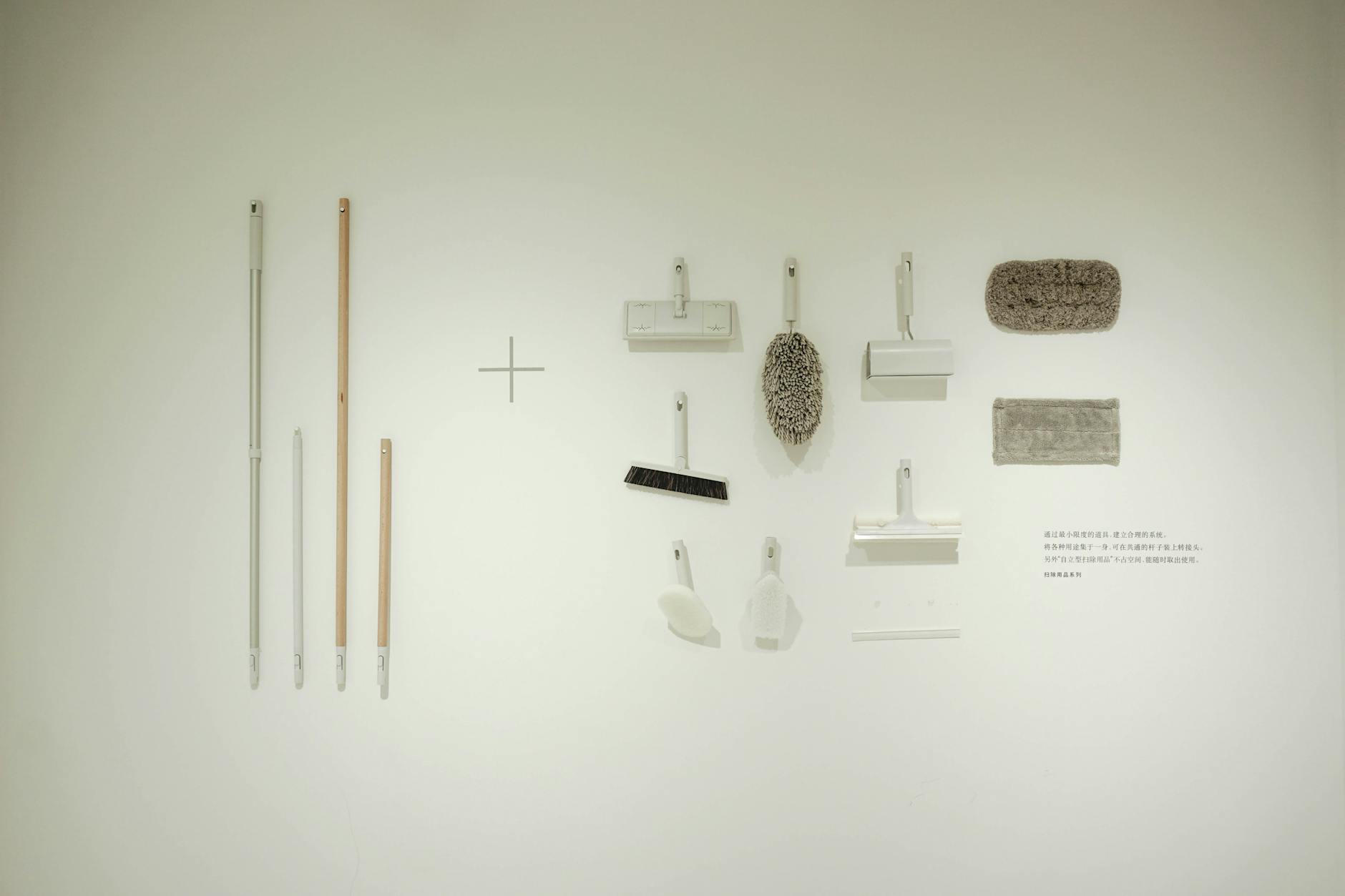
Finding the right tools can be the difference between a quick clean and a lengthy hassle. For most hard-to-reach places, you will need a combination of long-handled tools, flexible attachments, and personalized cleaning solutions. Here’s a comprehensive guide to help you select the right tools:
- Microfiber Cloths: These are excellent for dusting and can easily fit into tight spots.
- Vacuum with Attachments: A vacuum cleaner equipped with crevice and dusting attachments can quickly remove dust and debris from narrow spaces.
- Long-Handed Duster: Ideal for ceiling fans, high shelves, and light fixtures.
- Extendable Cleaner: For areas that are particularly difficult to reach, consider an extendable scrubber or brush.
- Compressed Air Canister: This is perfect for blasting out dust from electronics and other sensitive areas.
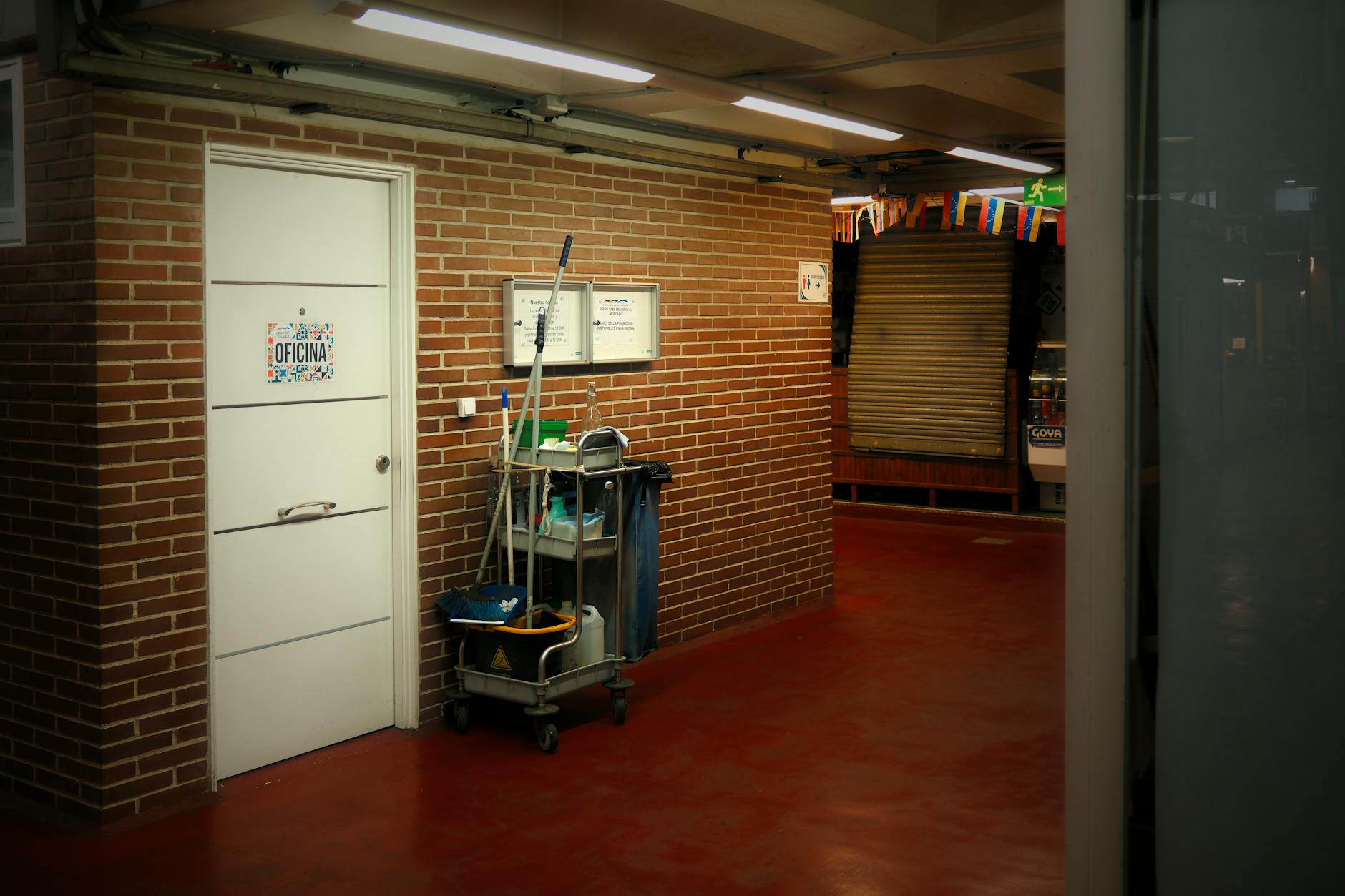
Using the right cleaning solutions is equally crucial. For general cleaning, mixing equal parts water and vinegar in a spray bottle works wonders for most surfaces. For tougher stains, consider using a paste made of baking soda and water. This mixture can easily be applied to stubborn grime and left to sit before scrubbing away.
Targeted Cleaning Techniques for Specific Areas
Each nook and cranny of your home presents its own cleaning challenge. Here are some targeted techniques for specific areas that often get overlooked:
Behind Appliances
Appliances like refrigerators, stoves, and washing machines can be notorious for collecting dust and spills. Begin by unplugging the appliance for safety. Many appliances have wheels or can be slid out, allowing you to access the area behind them. Using a vacuum with a crevice tool, start from the base and work your way up. For tough stains, a damp cloth and mild cleaner can be used to wipe down the walls and floor beneath the appliance.
Ceiling Fans and Light Fixtures
Ceiling fans collect dust over time and can spread it throughout your home. To clean, first ensure the fan is turned off. Use a long-handled duster or a microfiber cloth wrapped around a broom to reach the blades. Light fixtures often need special attention, especially if they are glass. A step ladder may be required for higher fixtures, and a glass cleaner can help restore their shine. Don’t forget to regularly check for burnt-out bulbs while you’re up there!
Underneath Furniture
Furniture legs and the areas under sofas and beds can become dust havens. To clean here effectively, use a vacuum with a low-profile attachment that can slide under furniture. If the furniture is movable, make it a routine to shift it slightly to allow for deeper cleaning. For the corners where dust collects, a microfiber cloth attached to a broom can easily retrieve trapped dust bunnies.
Inside Cabinets and Closets
Cabinets can harbor not just dust but also food particles and allergens. Empty the contents of your cabinets fully, then use a vacuum to remove debris. Wipe down the shelves with a damp cloth and mild cleaner. For closets, switch out seasonal clothing regularly to allow for thorough vacuuming and dusting of the closet floors and walls.
Maintenance Tips for Ongoing Cleanliness
To keep hard-to-reach areas clean, consider implementing some maintenance habits. For instance, regularly dusting ceiling fans and light fixtures can prevent large build-ups from occurring. Keeping a vacuum handy and using it at least weekly will help catch dust before it settles in hard-to-reach places.
Furthermore, encourage everyone in your household to participate in maintaining cleanliness. Assign specific areas for each individual to clean periodically, making the process more manageable. Involving your family not only helps alleviate your workload, but it also instills good habits in children and promotes a collective effort towards maintaining a clean home.
In some cases, it may be worth considering a professional cleaning service, particularly if you have difficulty reaching certain areas due to physical constraints or if your home has extensive hard-to-reach spaces needing deep cleaning. This can be a way to ensure your home is thoroughly cleaned without the stress of managing it yourself.
By establishing a cleaning routine, utilizing the right tools, and applying targeted techniques, you can tackle those hard-to-reach areas with ease. Remember, the key to effective cleaning lies in being thorough and consistent, leading to a healthier and more inviting home.